

San Juan de la Rambla: a northern village and the La Laja charco
Updated: 20 October 2026
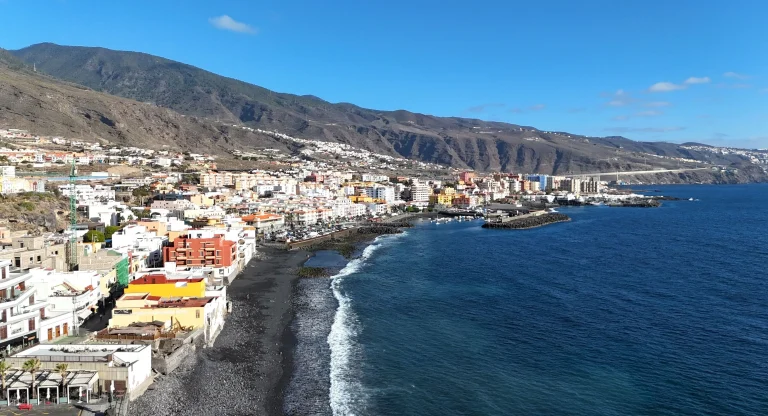
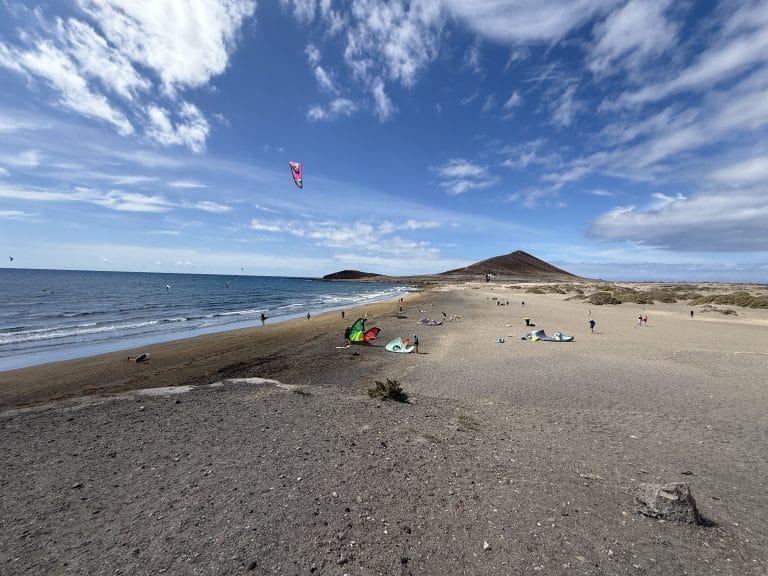
San Juan de la Rambla is a small municipality on the north coast of Tenerife, between Los Realejos and Icod de los Vinos. The land drops in farming terraces down to the sea, where one of the best-known natural pools in the north of the island is found.
🎯 Key facts
- San Juan de la Rambla is on the north coast, 15 to 20 minutes from Puerto de la Cruz. Take the TF-5, then the TF-351 or TF-352.
- From Tenerife North airport: about 35 to 40 minutes. From Santa Cruz: about 50 minutes. From Tenerife South airport: about 1 hour 20 minutes.
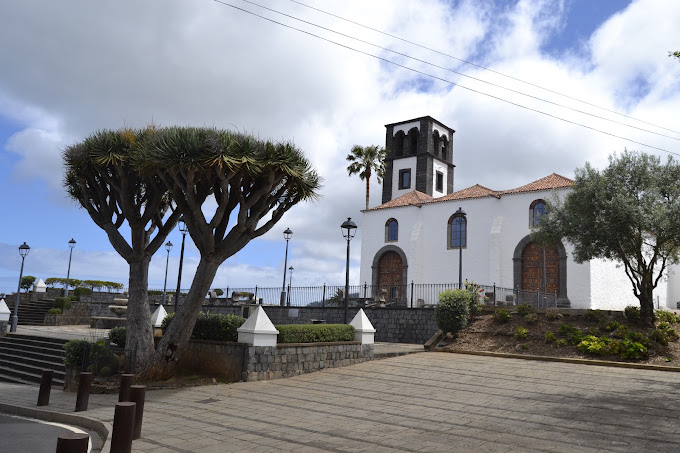
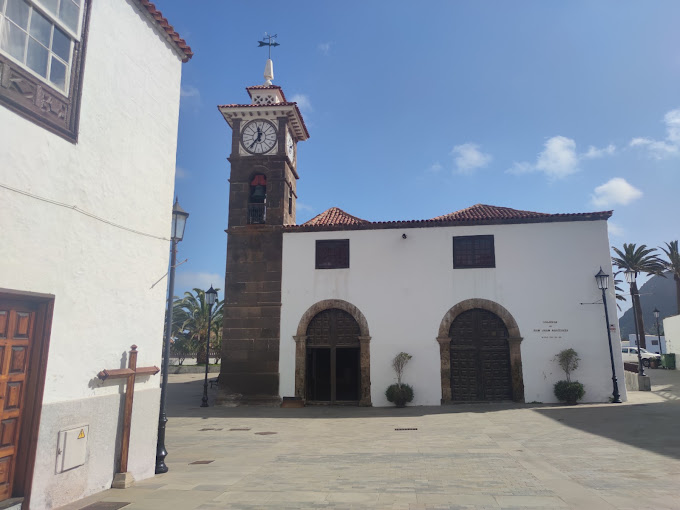
- Worth seeing: the San Juan Bautista square and church, the Casa de la Alhóndiga, the Los Quevedos neighbourhood and the La Laja charco.
- Festivals: San Juan Bautista in June, the San José pilgrimages in September, Virgen del Rosario in October.
- Average annual temperatures of around 18 to 26°C, with a climate that is sometimes cloudier than in the south.
The village
The village was founded in the early 16th century by a Portuguese settler, who built a chapel dedicated to San Juan Bautista. King Alfonso XIII granted it the title of Villa in 1925.
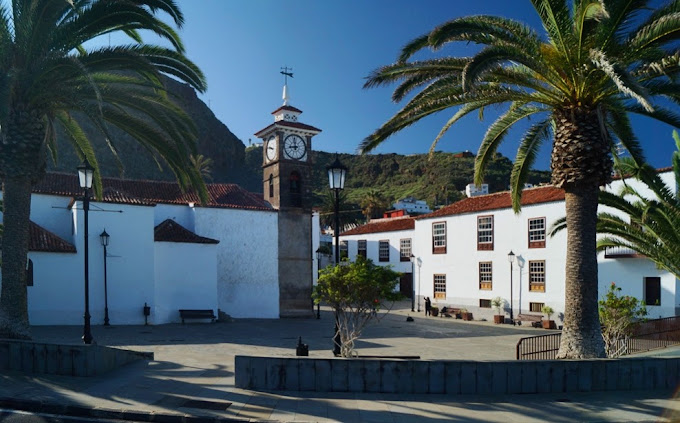
- La Casa de la Alhóndiga: a two-storey building from the early 17th century, which has housed a grain exchange, a meeting hall and a prison.
- La Casa de los Alonso del Castillo: a late 18th-century house facing the San Juan Bautista church square, with a tiled roof.
- La Casa de los Delgado Oramas: a house from the second half of the 18th century, facing the Casa de la Alhóndiga.
- Los Quevedos: a hillside neighbourhood with a dozen traditional Canarian houses.
- The chapel of Nuestra Señora del Rosario: from the 17th century, built on a private estate with the permission of the bishopric.
- The San José church: facing Domingo Reyes Afonso square, with a simple rectangular plan.
- The Risco de las Pencas gofio mill: a former water mill, also called Molino de Ruiz or Molino de la Grieta.
The La Laja charco and the coast
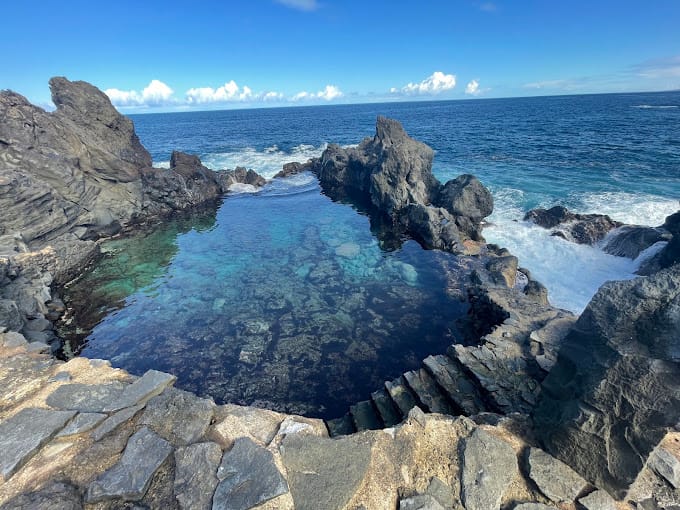
The La Laja charco is a natural pool formed by lava and filled with seawater, near the Las Aguas neighbourhood. Find all the details in our guide to the La Laja charco. You will also find the volcanic beach of Los Roques and the Las Aguas coastal area, known for its natural pools. Always check the sea conditions before swimming.
Eating and drinking
In the historic centre and in Las Aguas, you will find bars, restaurants and guachinches, those small family-run restaurants serving home cooking with local wines. Typical dishes include Atlantic fish, papas arrugadas with mojo, goat or rabbit, cheeses and Tenerife wines. To find out more, read our guide where to eat in Tenerife.
Festivals
The festival of San Juan Bautista, the village’s patron saint, takes place in June. The San José pilgrimages are held in September, and the Virgen del Rosario is celebrated in October. I have only found the months: check the exact dates with the town hall.
Getting there
By car, take the TF-5 motorway and then the TF-351 or TF-352. Several TITSA lines connect the municipality to the other towns in the north. You can round off your day with Icod de los Vinos or Puerto de la Cruz.
Still deciding where to base yourself? Compare the areas in our guide to where to stay in Tenerife.
Frequently asked questions
Where is San Juan de la Rambla?
On the north coast of Tenerife, between Los Realejos and Icod de los Vinos, 15 to 20 minutes from Puerto de la Cruz.
What is there to see in San Juan de la Rambla?
The San Juan Bautista square and church, the Casa de la Alhóndiga, the Los Quevedos neighbourhood, the gofio mill and the La Laja charco.
Where is the La Laja charco?
Near the Las Aguas neighbourhood, on the San Juan de la Rambla coast. It is a natural pool formed by lava and filled with seawater.
When are the village festivals?
San Juan Bautista in June, the San José pilgrimages in September and the Virgen del Rosario in October. Check the exact dates with the town hall.