


Whale and Dolphin Watching Trip in Tenerife: Is It Really Worth It?
Is it really worth it? My tested experience, the regulations, the prices and everything you need to know before you book.
⭐ The essentials
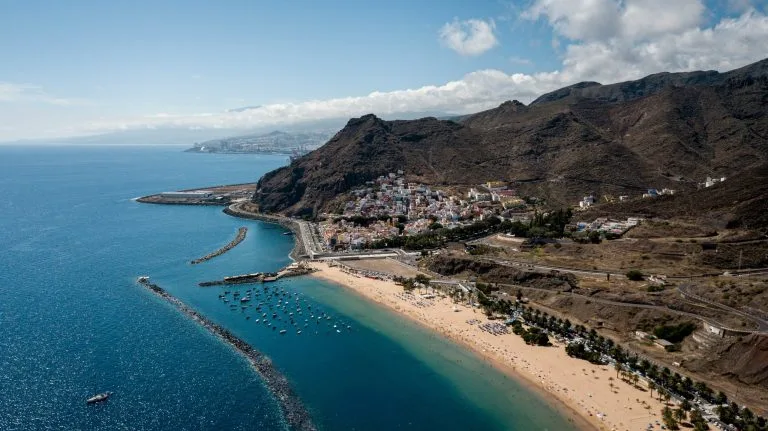
📍 Departure: Los Cristianos, Puerto Colón or Los Gigantes (south-west Tenerife)
🐋 Species almost guaranteed: pilot whales, resident all year round
🐬 Other possible encounters: dolphins, sometimes sea turtles
⏱️ Length: from 2 to 5 hours depending on the option
💰 Budget: from around €30, up to €75-90 for premium options
🌱 Protected area: Whale Heritage Area (World Cetacean Alliance), a first in Europe
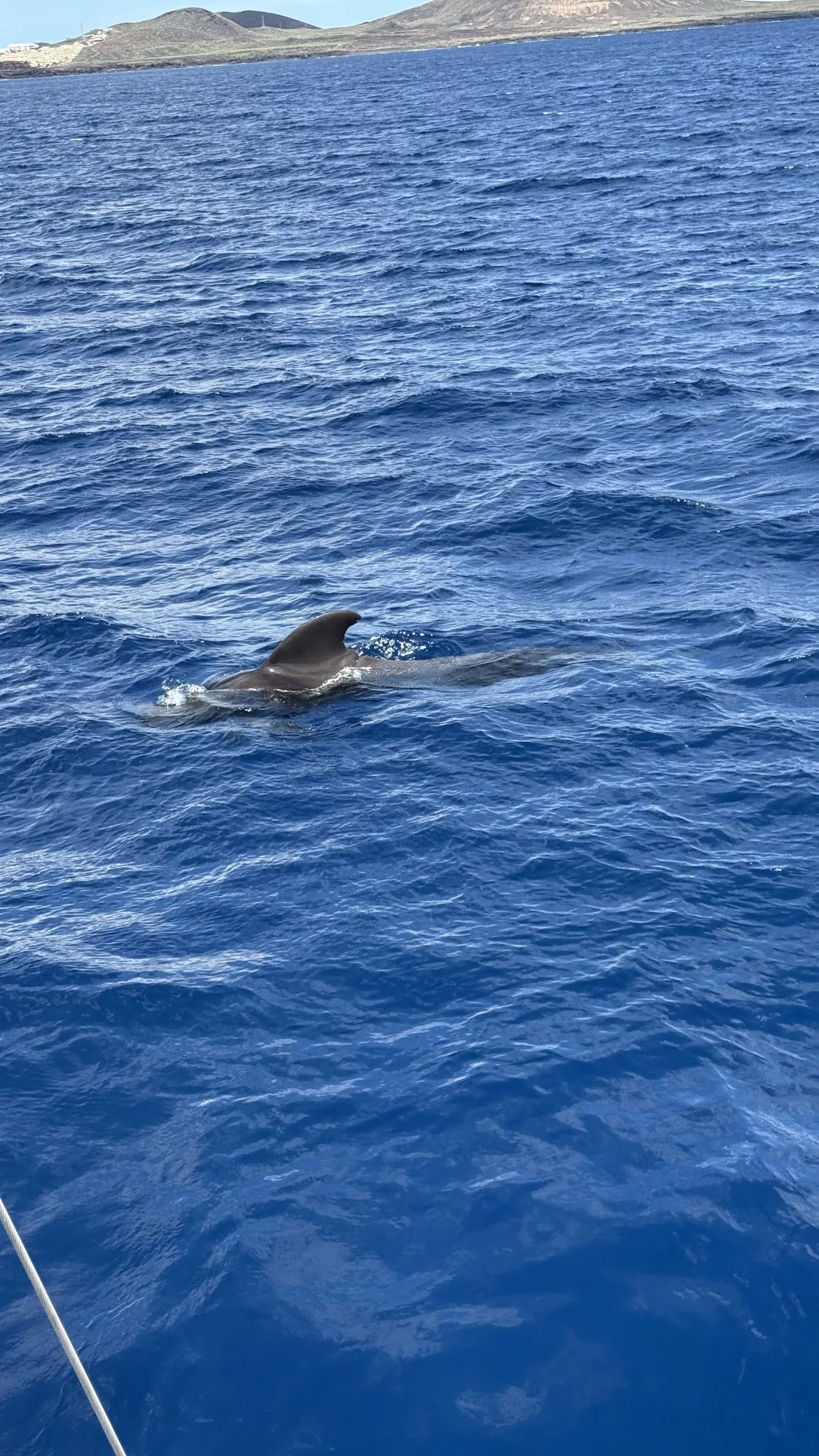
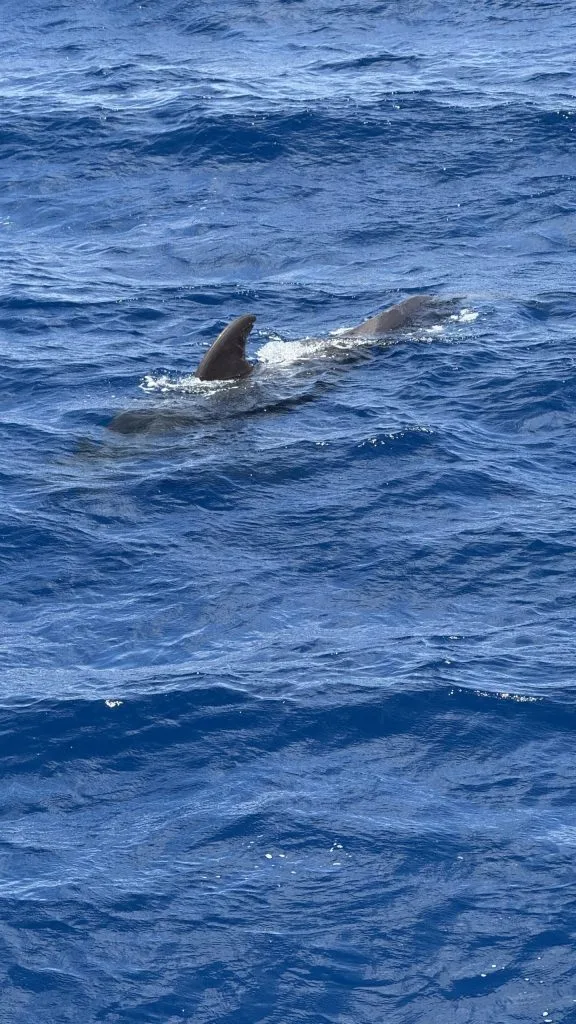
I did this trip about a year ago and, to be honest, it is one of the activities I recommend most in Tenerife. We set off from Los Cristianos in the early afternoon, on a classic boat with about fifty people: nothing intimate, but more than enough to enjoy the show. In less than half an hour offshore, the first pilot whale fins appeared near the boat, sometimes close enough to see their backs gliding under the surface. I wasn’t seasick at all, although I know that isn’t the case for everyone.
What I mostly take away: this is not an animal park show, it is real wildlife in its natural habitat, with no absolute guarantee but very good chances of seeing it. If you are hesitating about booking, here is everything I wish I had known before going.
🐋 Why take a whale watching trip in Tenerife?
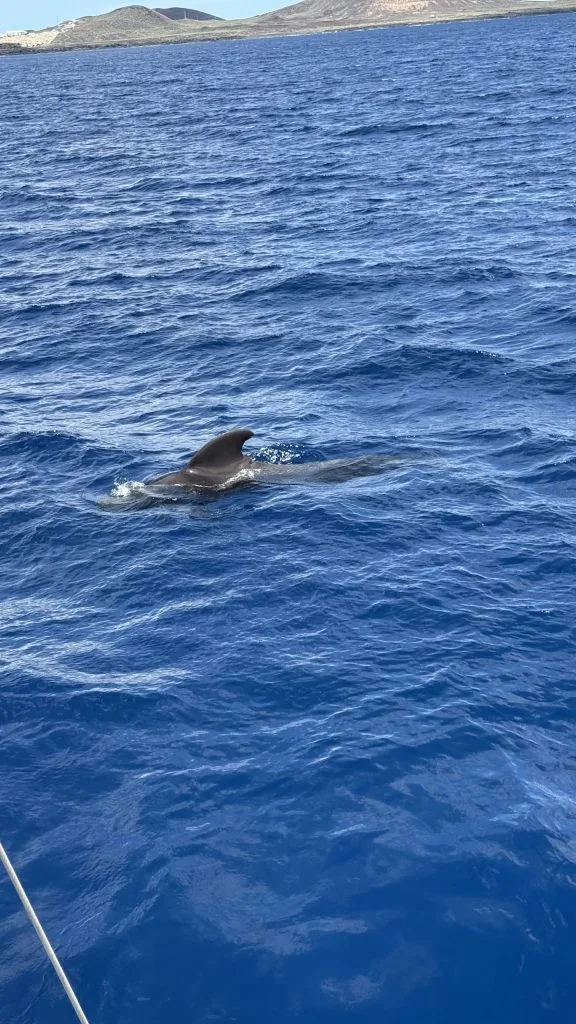
Tenerife is one of the few places in the world where you can see wild cetaceans almost all year round, only a few kilometres from the coast. The stretch of sea between Tenerife and La Gomera was recognised as a “Whale Heritage Area” by the World Cetacean Alliance in 2021 (a first in Europe): more than 21 species of cetaceans have been recorded there, with a resident population of short-finned pilot whales that stays here all year. That is quite rare: in most whale watching destinations around the world, whales can only be seen during their seasonal migration. Here, you can take the trip at almost any point during your stay, without having to aim for a specific period.
🐬 What can you actually see?
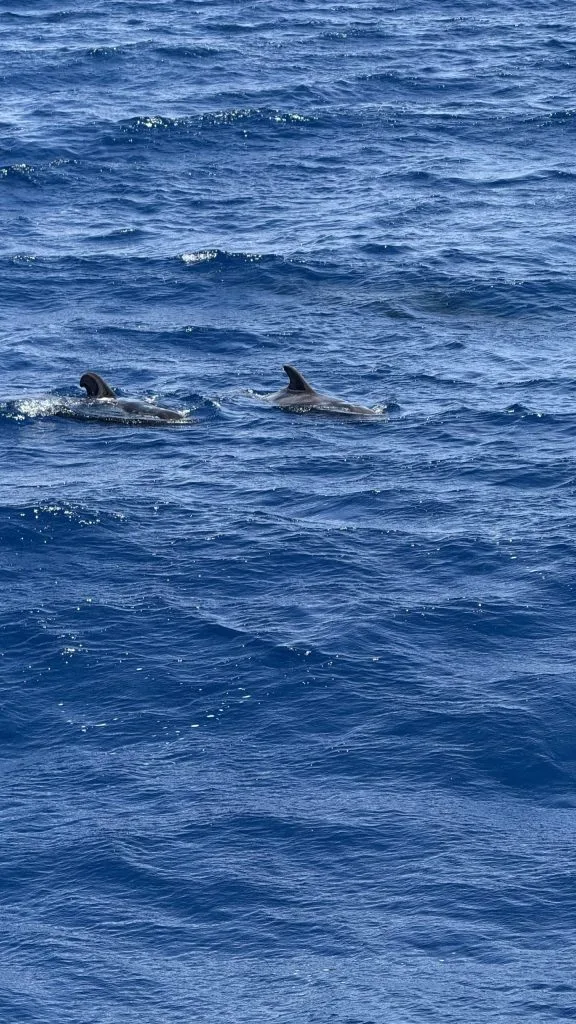
- Pilot whales (globicephalas): the resident species, the one you are most likely to come across. This is the one we saw on my trip.
- Dolphins: several species also frequent the area, in particular bottlenose dolphins (tursiops), quite playful and sometimes curious about boats.
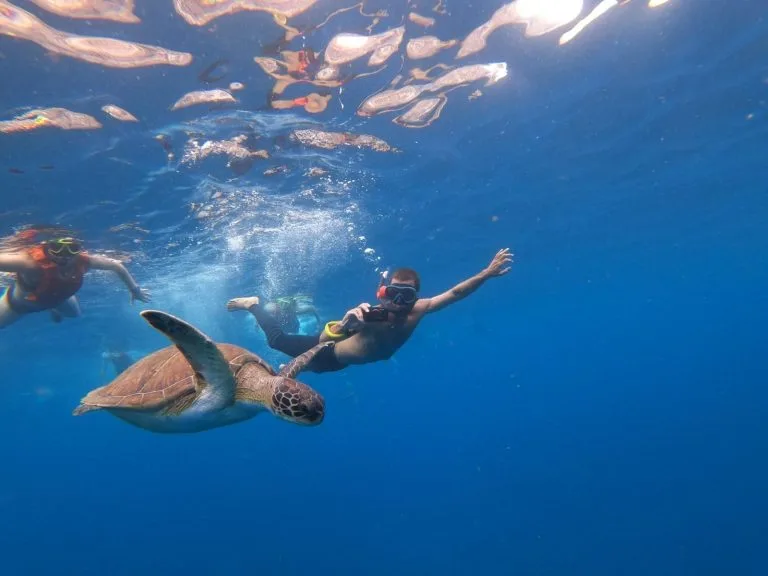
- Sea turtles: more occasional, depending on the area and the day’s conditions.
A real nuance to keep in mind: these are wild animals, not a scheduled show. The chances of encountering at least one group of pilot whales are very high because the population is resident, but no serious operator can guarantee you 100% what you will see on the day.
⛵ Which trip should you choose?
Several formats exist, with quite different experiences:
- Classic boat, large group: the most accessible format, often about fifty passengers or more, and the one I chose. Cheaper, a good option for a first outing.
- Small boat or zodiac: a smaller group, more manoeuvrability to follow the animals, a feeling of being closer to the water. Generally more expensive.
- Catamaran: comfortable, often with a relaxation area on board, a format frequently combined with a meal or refreshments.
- Observation only, observation + swimming (in a dedicated area, not with the animals) or observation + meal: to be chosen depending on how much time you want to spend and your budget.
Want a day at sea without the focus on spotting wildlife? My guide to boat and catamaran trips compares the types of outing, prices and tips.
🌱 How do you choose a trip that respects the animals and the environment?
The area is regulated: operators must keep a minimum distance of 60 metres from the animals, limit each observation to a maximum of 30 minutes, sail at reduced speed and leave the area immediately if the animals seem disturbed. Swimming with cetaceans, touching them, feeding them or throwing rubbish into the water is forbidden.
In practice, not all operators are equally rigorous. A few signs help you spot the most serious ones: they state clearly that they respect the regulated distances rather than promising “swimming with whales” (a promise to avoid, because it is exactly what the regulations forbid); they limit the number of boats present at the same time around the same group of animals; some sign up to a voluntary “Quality Charter”, a commitment made on top of the legal framework. It is not a compulsory certification, but it is a good sign of seriousness.
📍 Los Cristianos, Puerto Colón or Los Gigantes?
Almost all the trips leave from the south-west of the island, the area closest to the resident groups:
- Los Cristianos: the most central port, with many departures, handy if you are staying in the south. This is where I set off from.
- Puerto Colón (Costa Adeje): a few minutes from Los Cristianos, the same observation area, often with more upmarket options (catamarans, small groups).
- Los Gigantes: a little further north, interesting if you want to combine the trip with a view of the cliffs of the same name.
If you are looking for where to stay to be well placed, I talk about it in more detail in my article on where to stay in Tenerife.
💰 How much does it cost?
Prices vary mainly with the size of the boat and the option:
- Entry level: from around €30 for a 2-hour observation trip on a classic boat with a large group. This is the most common and most accessible option (the one I took).
- Good value for money: around €40-45 for an eco-responsible catamaran, generally 3 to 5 hours with a refreshment break or a light meal included.
- Premium / small group: from €75-90, on a sailing boat or small boat, often with a snorkelling stop or a more personalised service.
These prices are given as a guide for 2026 and may vary with the season and the operator: always check the exact price when you book.
Tenerife With Love tip:
don’t necessarily look for the cheapest trip. A few euros more can make a real difference to the size of the boat, the number of people on board and the quality of the experience. It isn’t compulsory, and my entry-level trip is still a great memory, but it is a real factor to keep in mind when you compare offers.
⏱️ How long a trip should you choose?
My view: allow 2 to 3 hours. That is enough to give the boat time to find a group of whales or dolphins, enjoy the moment without rushing, and get back without the whole day being taken up. The longer options (3-5 hours) are mainly worthwhile if they include a real chance to relax on board (meal, swimming), not just more observation time.
🌅 Morning or afternoon?
I went in the afternoon and it went very well. In general, the sea is often a bit calmer in the morning (less wind), which can work in your favour if you are prone to seasickness. But since pilot whales are resident all year round, there is no real “magic” time slot when you would have a better chance of seeing them: the choice mainly depends on your plans for the day.
🤢 What if I get seasick?
I personally had no problem during the trip, but if you know you are sensitive, a few simple habits help: have a light meal before you leave (neither on an empty stomach nor too heavy), stay outside rather than in the cabin, keep your eyes on the horizon rather than on your phone, and think about getting seasickness medication from a pharmacy if you know it is a real problem for you. In the morning, the sea is generally a bit calmer, which can also help.
🎒 What should you bring?
- sunscreen (the sun is strong on the water, even with wind)
- a cap or hat, with a strap if possible, as the wind on a boat is never negligible
- a light fleece or windbreaker, as it feels cooler offshore than on land
- water
- your camera or phone, charge it beforehand, you will want to take photos
- your ID if the operator asks for it at boarding
❤️ My view: do I recommend it?
Yes, without hesitation. It was “only” observation, on a classic boat with about fifty other passengers, nothing exclusive or luxurious. And yet seeing those pilot whale fins glide past the boat remains one of my best memories of the island.
If you are hesitating, do it. You are unlikely to be disappointed.
Read also: the activities to book before you go.
Frequently asked questions about whale and dolphin watching in Tenerife
Is it guaranteed that you will see whales or dolphins on the trip?
No, they are wild animals and no 100% guarantee is possible. That said, the pilot whale population is resident in the area all year round, which makes the chances of seeing them very high.
What is the best time to see whales in Tenerife?
There is no particular season to aim for: unlike many whale watching destinations, pilot whales are present all year round off Tenerife, so you can take this trip at any point during your stay.
Can you swim with whales or dolphins in Tenerife?
No, it is forbidden by local regulations, which protect the animals from contact that is too close. Some options include swimming from the boat, but in a dedicated area, not with the cetaceans themselves.
How long does a whale watching trip last?
Between 2 hours for the classic options and 5 hours for catamarans with a meal or swimming included. A duration of 2 to 3 hours is a good compromise for most visitors.
Where do whale watching trips leave from in Tenerife?
The vast majority leave from the south-west of the island: Los Cristianos, Puerto Colón (Costa Adeje) or Los Gigantes.
Should you worry about seasickness on the trip?
It depends on your personal sensitivity and the day’s conditions. A light meal before you leave, staying outside and looking at the horizon generally help limit the risk.