



Where to stay in Tenerife? The complete guide to choosing your area
Tenerife is a surprisingly large and varied island: depending on where you drop your bags, you won’t have the same stay at all. Lively beaches and nightlife in the south, nature and authenticity in the north, cliffs and calm in the west: where you stay really changes the experience.
Last updated: October 2026.
Where to stay in Tenerife, in a few lines: the right choice mostly depends on what you want to do. Here is a quick guide, with the details of each area further down.
- First stay, beach and sun: Costa Adeje or Los Cristianos, in the south.
- Parties and nightlife: Playa de las Américas, in the south.
- Greenery, authenticity and hiking: Puerto de la Cruz, in the north.
- Calm and cliffs: Los Gigantes, in the west.
- Wind and water sports: El Médano, in the south-east.
In this guide, I introduce the main areas of the island, their strengths and their limits, to help you choose the one that suits you best depending on what you are looking for.
⭐ The essentials
☀️ South: almost guaranteed sun all year round, developed beaches, nightlife, the most touristy
🌿 North: greener landscapes, more authentic atmosphere, fewer crowds
🏔️ West: spectacular cliffs, calm, ideal for couples
✈️ 2 airports: Tenerife South (close to the southern resorts) and Tenerife North (close to La Laguna and Santa Cruz)
🚗 Without a car: still possible in the big tourist areas of the south, more limiting elsewhere
🗓️ First stay: the south remains the simplest and most versatile choice
📋 Contents
North or South Tenerife: how to choose?
This is the first question to ask yourself. The climate is more stable and warmer in the south, sheltered by the central mountains, while the north is greener and wetter. The atmosphere also changes completely from one area to another.
☀️ The South
Who it’s for: families, couples, beach and nightlife lovers
Climate: sunny almost all year, very little rain
Atmosphere: touristy, lively, modern infrastructure
Ideal for: a first stay, a classic beach holiday
🌿 The North
Who it’s for: travellers looking for authenticity, hikers, nature lovers
Climate: greener, wetter, slightly cooler temperatures
Atmosphere: more local, historic heritage, fewer crowds
Ideal for: discovering the culture of the island, a calmer stay
💡 Tenerife With Love tip: if it’s your first stay and you want as much sun as possible, the south is the safest choice. If you’ve been before or you’re looking for a more authentic experience, the north is clearly worth the detour.
Where to stay in Tenerife: comparing the areas
No time to read everything? Here are the main areas to stay in Tenerife, with the type of traveller each one suits best. The details of each area follow below.
| Area | Who it’s for | Good to know |
|---|---|---|
| Costa Adeje | Couples, families, travellers who want comfort | One of the most expensive areas of the island |
| Playa de las Américas | Travellers who want a party atmosphere | The most touristy and most artificial area of the island |
| Los Cristianos | Families, a balance between activity and calm | Slightly more affordable budget than Costa Adeje, ferry to La Gomera |
| El Médano | Bohemian atmosphere, water sports | Fewer accommodations available |
| Los Gigantes and Puerto de Santiago | Couples, nature and tranquillity lovers | Less nightlife and fewer tourist amenities |
| Puerto de la Cruz | Families, a balance between seaside atmosphere and authenticity | More variable climate than the south, with more clouds |
| La Orotava | Architecture and heritage lovers, travellers looking for peace and quiet | No beach in town, you have to go down to Puerto de la Cruz |
| Garachico | Couples, anyone who loves charm and authenticity | Small village with few amenities, so it is better to have a car |
| San Cristóbal de La Laguna | Culture and history lovers, close to hikes in the Anaga massif | No beach in town, the sea is about fifteen minutes away by car |
| Santa Cruz de Tenerife | City lovers, anyone interested in culture and urban life | No central beach (the nearest, Las Teresitas, is about fifteen minutes away), more of a business feel than a seaside one |
Which area should you choose for your travel style?
This table sums up the areas described above according to what you are looking for. To see how far apart two areas are by road, read the section on drive times.
| Your travel style | Areas to look at first | Why |
|---|---|---|
| First trip, comfort above all | Costa Adeje | A comfortable area, about 20 minutes from Tenerife South airport, but one of the most expensive on the island. |
| Family with children | Los Cristianos, Costa Adeje (Fañabé and Torviscas beaches), Puerto de la Cruz | Los Cristianos and Puerto de la Cruz strike a good balance between liveliness and calm; Fañabé and Torviscas are the more family-friendly beaches of Costa Adeje. |
| Nightlife and going out | Playa de las Américas | The liveliest area in the south, known for its bars, nightclubs and shopping centres. |
| Peace and nature | Los Gigantes and Puerto de Santiago, Garachico | Less nightlife and fewer tourist amenities; in Garachico, it is better to have a car. |
| Surfing, kitesurfing and water sports | El Médano | Laid-back atmosphere with no big resort complexes, but fewer places to stay. |
| Culture and heritage | La Laguna, La Orotava, Santa Cruz | Historic or urban towns with no beach in town: the sea is about fifteen minutes from La Laguna and Santa Cruz. |
| A slightly tighter budget | Los Cristianos | A little more affordable than Costa Adeje, with the port for ferries to La Gomera. |
| Hiking | La Laguna and the north of the island | La Laguna is close to hikes in the Anaga massif; the north suits hikers looking for nature and authenticity. |
| Staying without a car | Costa Adeje, Playa de las Américas, Los Cristianos | In these big southern areas, TITSA buses and hotel shuttles are enough and most things are within walking distance. Read the section on staying without a car before you book. |
How much does a night cost in each area?
The figures below are official averages, not prices you can book: they are there to compare areas with each other. They mix hotels and apartments, all categories and all seasons, so a 4-star hotel in an expensive sector will cost well above the average shown.
| Area | Sectors (official breakdown) | Average price per night in 2025 |
|---|---|---|
| Costa Adeje | Playa de El Duque / Costa Adeje / Torviscas-Fañabé Alto | €231 / €139 / €82 |
| Playa de las Américas | Las Américas, Adeje side / Arona side | €122 / €128 |
| Los Cristianos | Los Cristianos | €117 |
| El Médano | El Médano | €102 |
| Los Gigantes and Puerto de Santiago | Los Gigantes / Puerto de Santiago | €115 / €120 |
| Puerto de la Cruz | Taoro-La Paz / Martiánez / Playa Jardín-Maritim / Historic centre | €89 / €82 / €86 / €61 |
| Island average | Tenerife | €133 |
Source: ISTAC, the Canary Islands statistics institute (tourist accommodation survey), average rates by tourist area in 2025. These figures do not cover Santa Cruz, La Laguna, La Orotava or Garachico.
To plan your full budget, also read our Tenerife trip budget guide.
Travelling as a couple? You will find the areas that suit couples, ideas for romantic moments and a sample itinerary in my article Tenerife for Couples.
In the north, La Orotava, Garachico, La Laguna and Santa Cruz offer a calmer and more authentic atmosphere than the big resorts of the south. Your arrival airport also matters: read our comparison South or North airport, and if you don’t have a car, our guide Tenerife without a car.
The southern areas
This is the most touristy area of the island, with the highest concentration of hotels, restaurants and activities. Here are the main sectors.
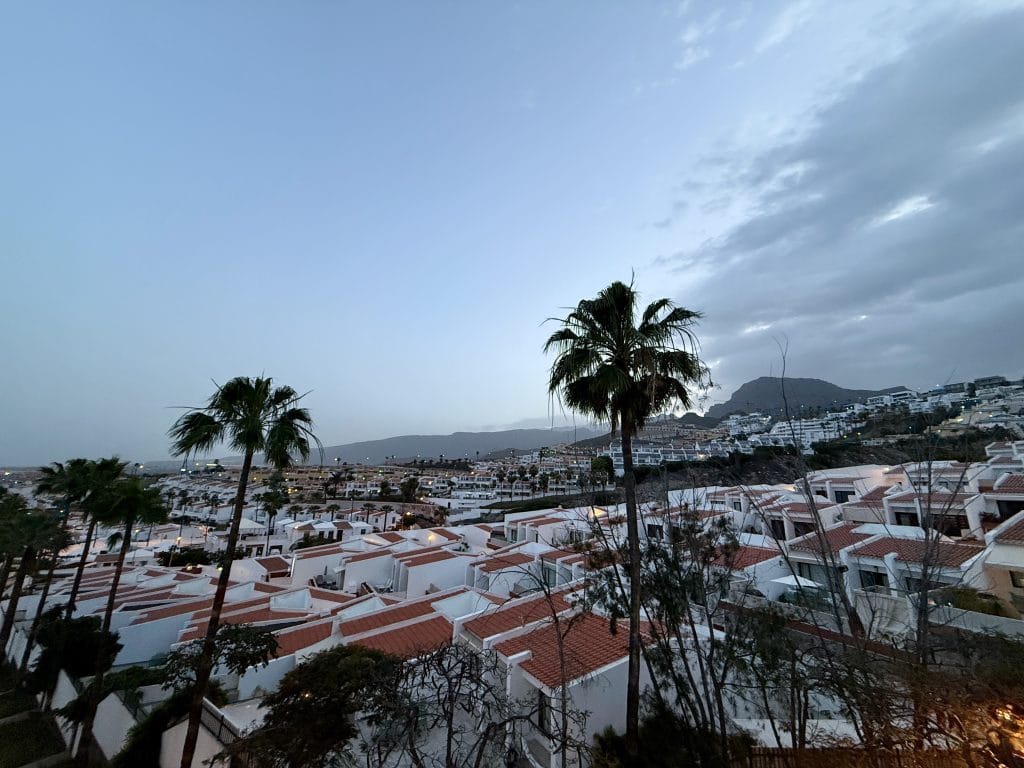
Costa Adeje
The most upmarket area of the south: 4 and 5-star hotels, a well-kept seafront, restaurants and shops.
Who it’s for: couples, families, travellers who want comfort.
Good to know: it’s also one of the most expensive areas of the island.
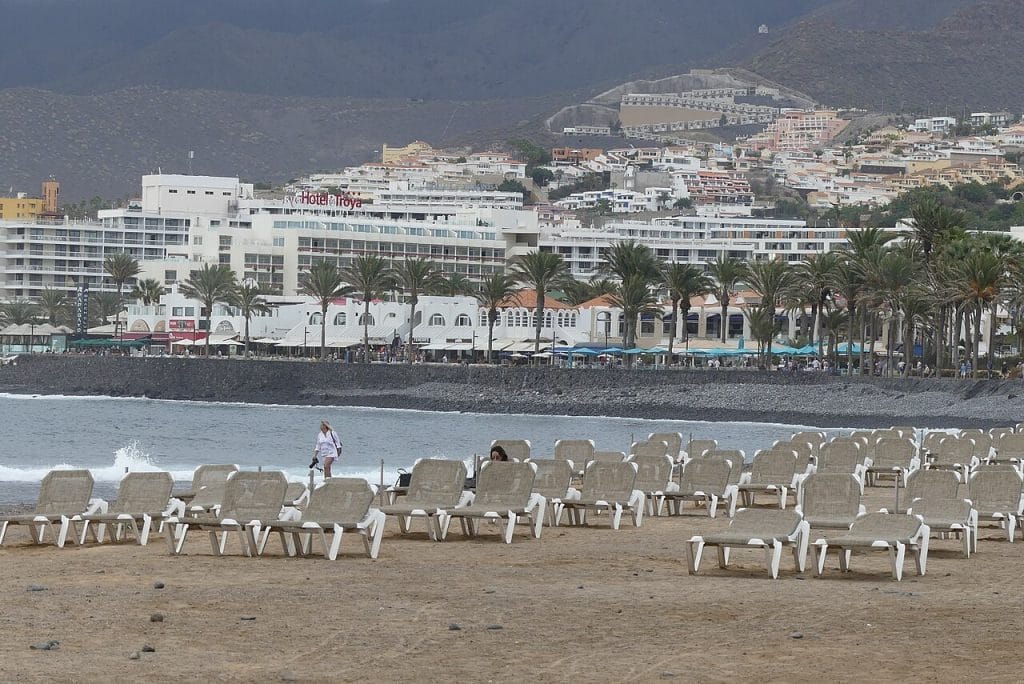
Playa de las Américas
The liveliest area of the south, known for its bars, nightclubs and shopping centres.
Who it’s for: travellers who want a party atmosphere and plenty of activity.
Good to know: it’s also the most touristy and most artificial area of the island.
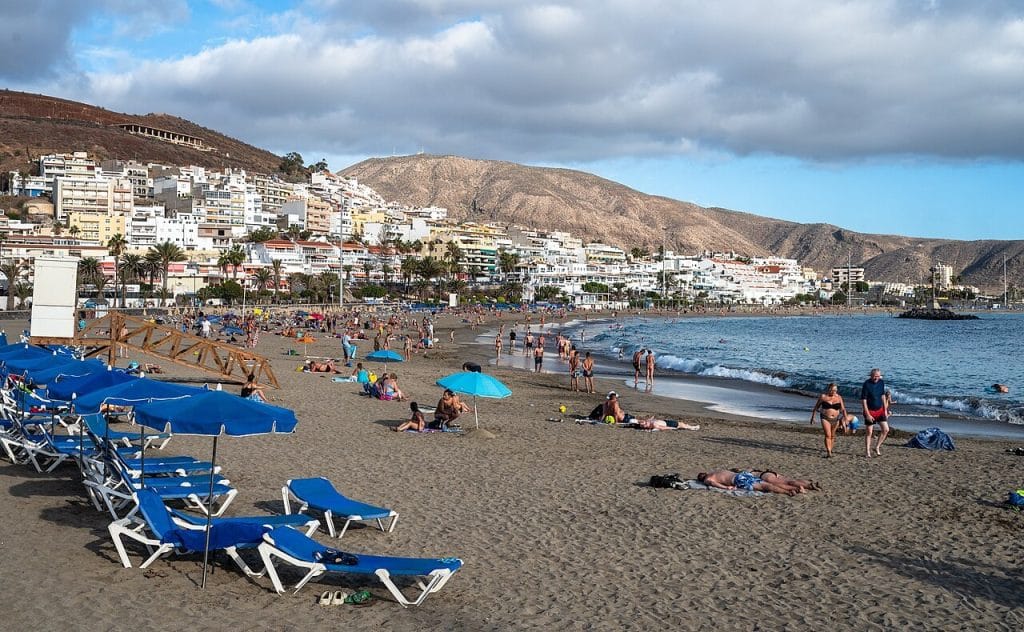
Los Cristianos
A former fishing village turned seaside resort, but one that has kept a little more authenticity than its neighbours. It is also the departure point for the ferry to La Gomera.
Who it’s for: families and travellers who want a good balance between activity and calm.
Good to know: budget is generally slightly more affordable than Costa Adeje.
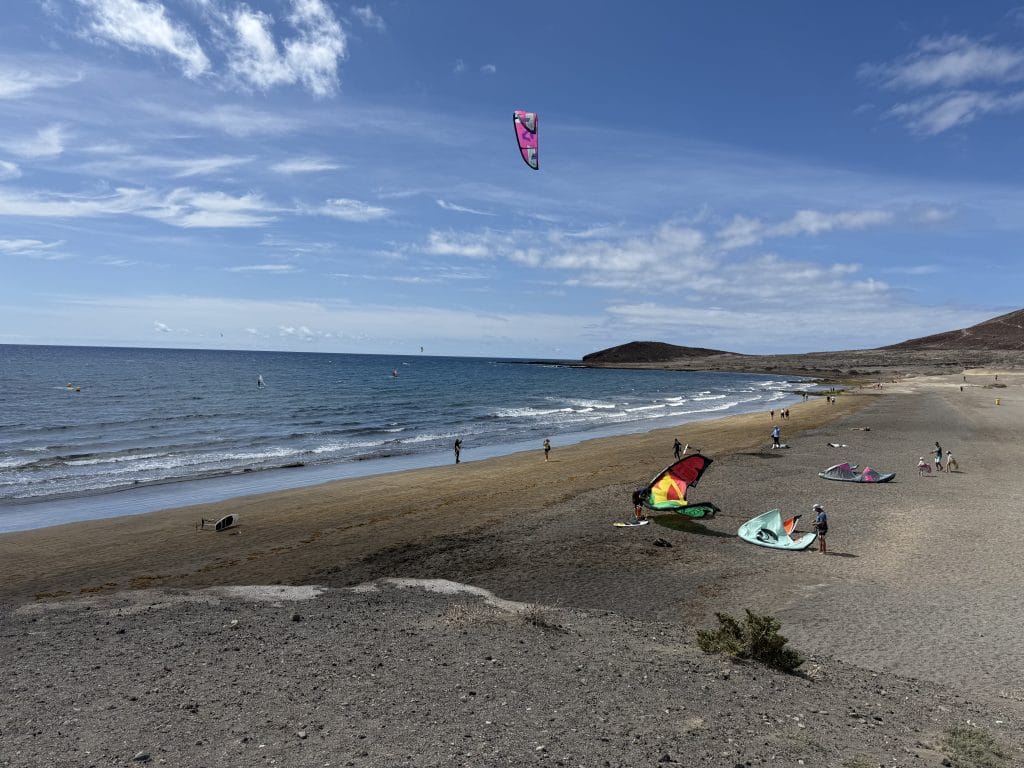
El Médano
A completely different atmosphere from the rest of the south: a relaxed town of surfers and kitesurfers, with no large hotel complexes. Discover El Médano in detail →
Who it’s for: travellers looking for a more authentic, bohemian atmosphere, water sports lovers.
Good to know: fewer accommodations available than in the big tourist areas.
The west coast: cliffs and tranquillity
On the west of the island, Los Gigantes and Puerto de Santiago offer a very different experience from the touristy south: a spectacular natural setting, with the Los Gigantes cliffs as a backdrop.
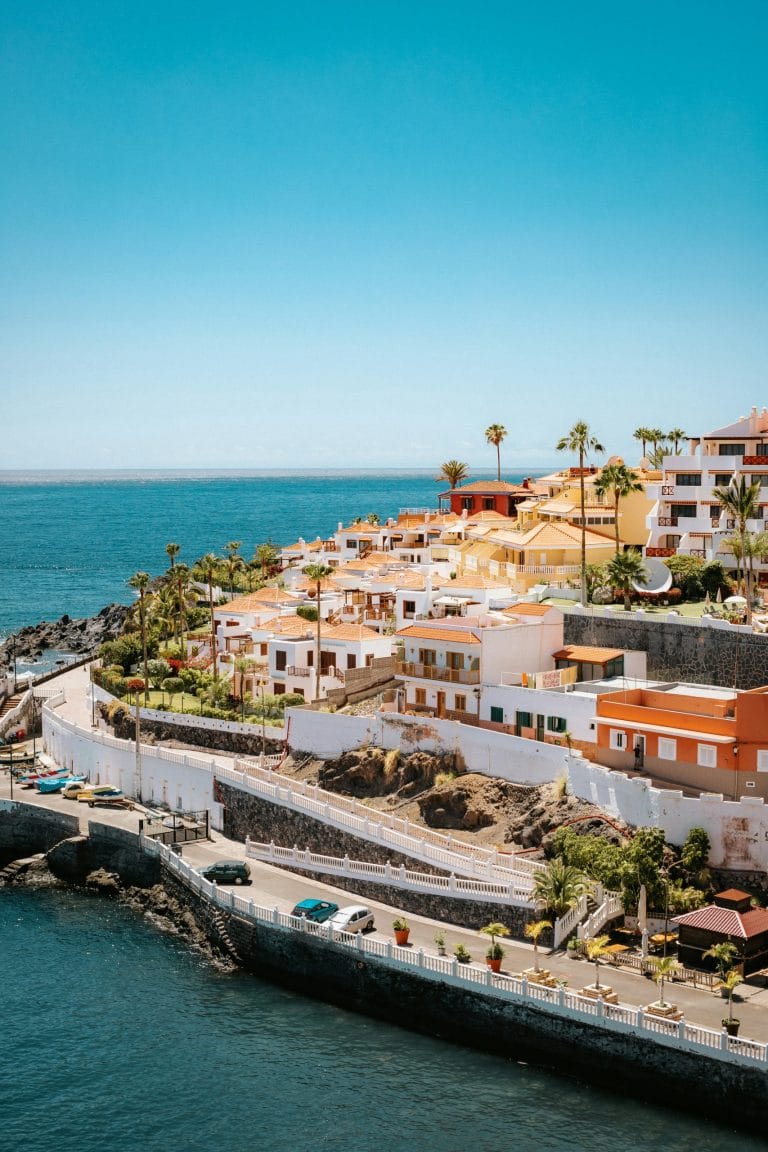
Los Gigantes & Puerto de Santiago
A spectacular setting with volcanic cliffs in the background, a much quieter atmosphere than the south, and an excellent starting point for boat trips and whale and dolphin watching.
Who it’s for: couples, nature and tranquillity lovers.
Good to know: less nightlife and fewer tourist amenities than Costa Adeje or Playa de las Américas. It’s also an excellent base for visiting Masca, very close by.
The northern areas
The north of Tenerife is greener, wetter and far less touristy than the south. It is also where most of the island’s historic heritage is found.
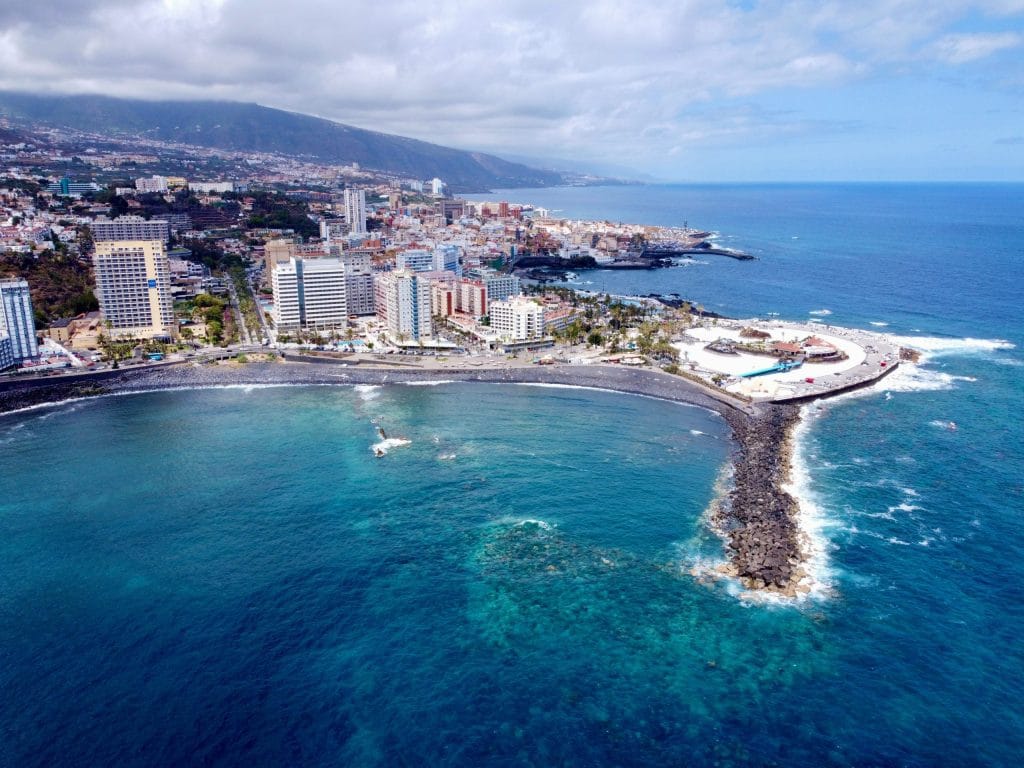
Puerto de la Cruz
The big tourist town of the north: black sand beaches, the Lago Martiánez, tropical gardens and the Loro Parque zoo.
Who it’s for: families and travellers who want a good balance between seaside atmosphere and authenticity.
Good to know: the climate is more variable than in the south, with more clouds.
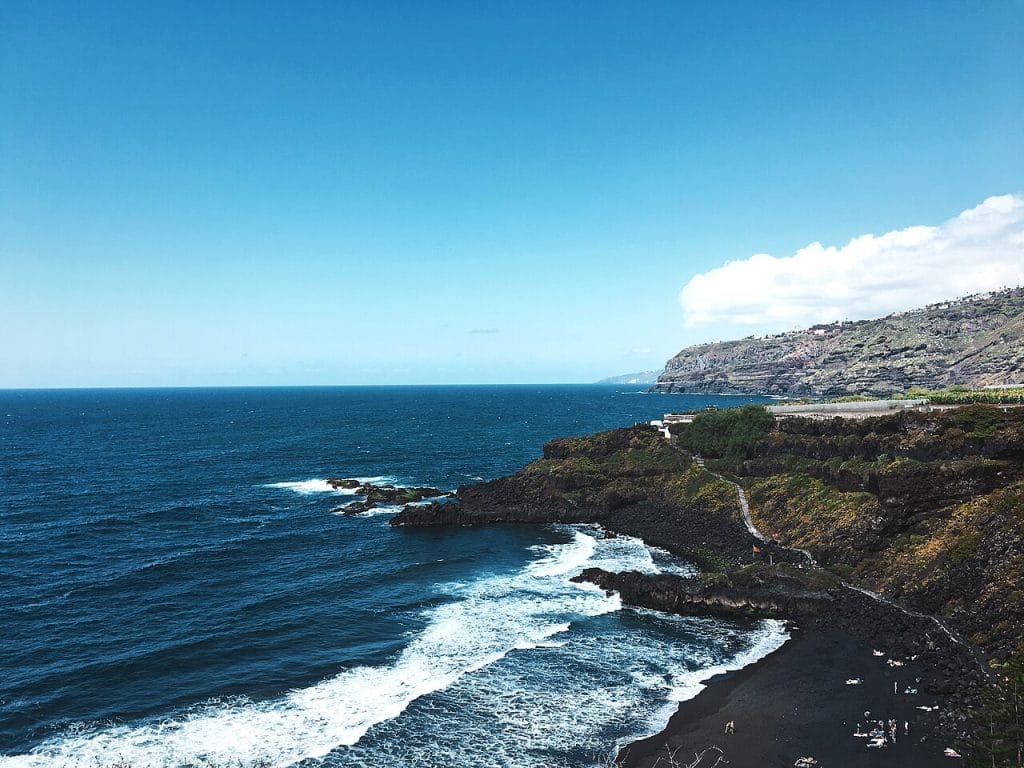
La Orotava
A small mountain town with a rich colonial heritage, beautiful gardens and typical Canarian architecture.
Who it’s for: architecture and heritage lovers, travellers looking for calm.
Good to know: no beach on site, you have to go down to Puerto de la Cruz.
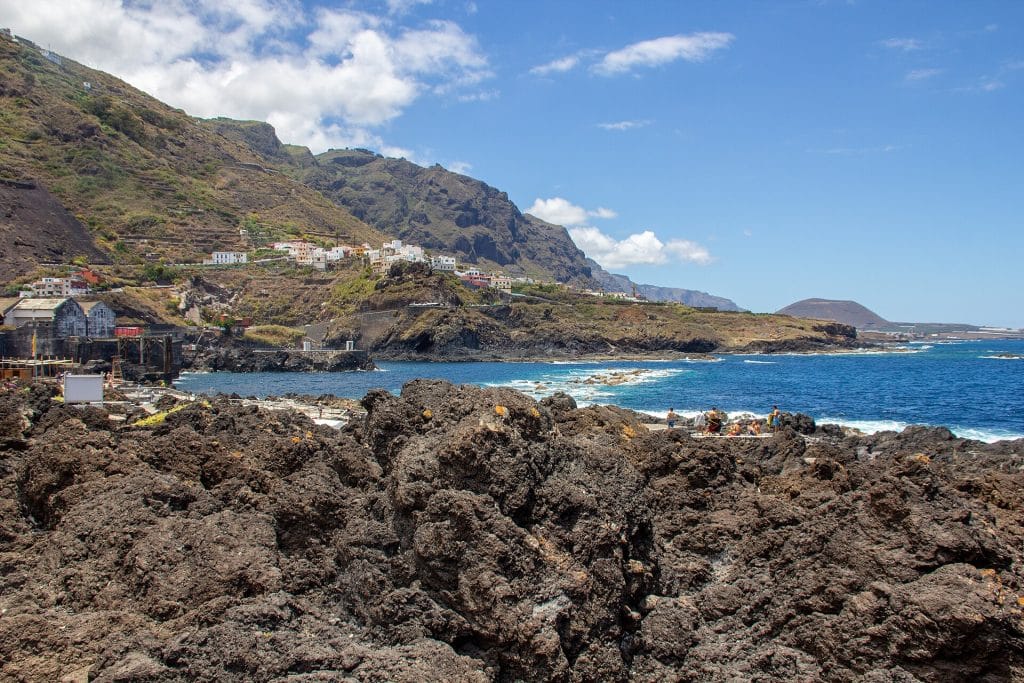
Garachico
One of the most beautiful historic villages on the island, with its volcanic natural pools and its preserved centre, entirely rebuilt after the volcanic eruption of 1706.
Who it’s for: couples, lovers of charm and authenticity.
Good to know: a small village with few amenities, it’s better to have a car.
San Cristóbal de La Laguna
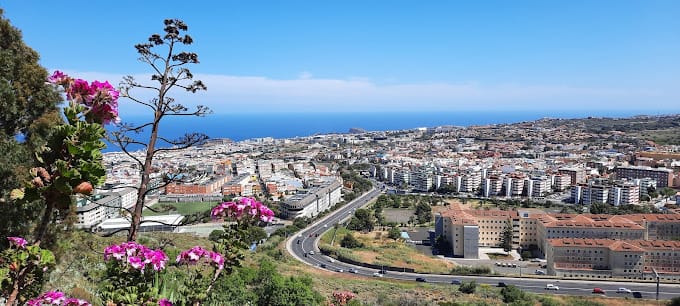
The former capital of the island, a UNESCO World Heritage Site for its colonial centre. A university town with a younger, livelier atmosphere.
Who it’s for: culture and history lovers, close to the hikes of the Anaga massif.
Good to know: no beach on site, the sea is about fifteen minutes away by car.
Santa Cruz de Tenerife
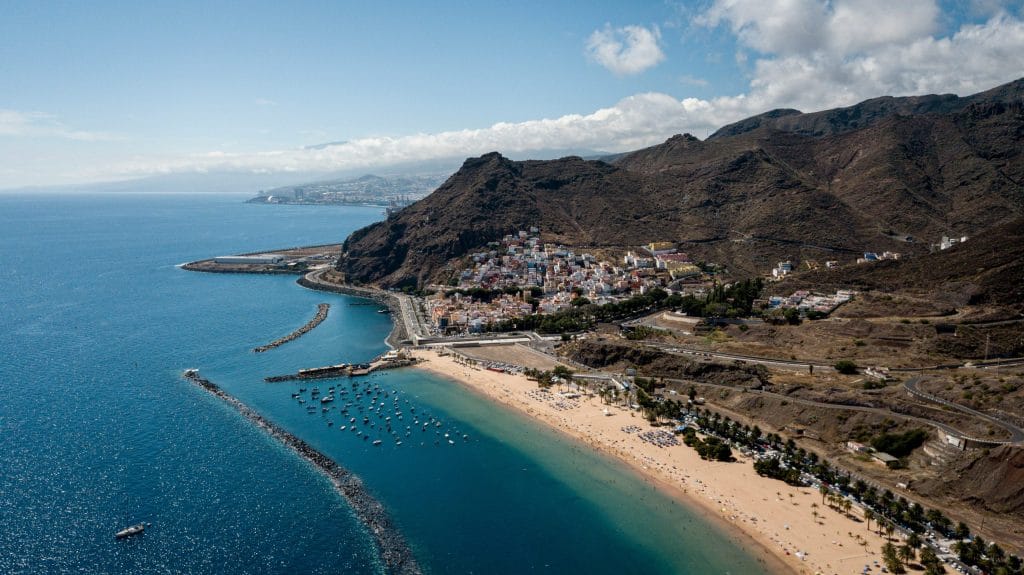
The capital of the island: a modern, lively city with its museums, its market and its contemporary architecture (such as the Auditorio de Tenerife).
Who it’s for: urban travellers, culture and city life lovers.
Good to know: no central beach (the nearest, Las Teresitas, is about fifteen minutes away), a more business-like than seaside atmosphere.
All areas on the map
To get your bearings at a glance, here are all these areas placed on the map of the island.
How long does it take to drive between areas?
Tenerife does not look big on the map, but mountain roads and the approaches to Santa Cruz make journeys longer than expected. Benchmarks from our area guides: from Tenerife South Airport, Los Cristianos is about 15 minutes away and Costa Adeje about 20 minutes, via the TF-1 motorway. To get from one end of the island to the other, from south to north for example, allow more than an hour. To work out the exact drive time between two places on the island, use our drive time simulator.
Between the south and the north, allow more than an hour on the road, for example between Costa Adeje and Puerto de la Cruz.
One base or several?
Our rule of thumb: for 3 to 5 nights, a single base is enough, chosen according to your plans. For a week, one base still works if you like driving, but two bases (for example a few nights in the south, then in the north) save you long round trips. Beyond 10 nights, two bases almost always make sense. Moving costs half a day, so do not multiply stops.
Which area to avoid, depending on your profile?
- You want peace and quiet: avoid Playa de las Américas, the liveliest and most touristy area on the island.
- You want a beach within walking distance: La Orotava, La Laguna and central Santa Cruz have no beach of their own.
- You have no car: avoid small villages such as Garachico, where a car is genuinely useful.
- You want maximum sunshine: the north is more changeable and cloudier than the south.
- You want to go out in the evening: Los Gigantes and La Orotava have less nightlife than Playa de las Américas or Costa Adeje.
- You are on a tight budget: Costa Adeje is one of the most expensive areas on the island; Los Cristianos is often a little cheaper.
Have you chosen your area? Now compare Airbnb or hotel and read our selection of hotels by area.
Staying without a car: is it possible?
Yes, but it depends a lot on the area you choose. In the big tourist areas of the south (Costa Adeje, Playa de las Américas, Los Cristianos), TITSA buses and hotel shuttles make it easy to get around, and most things are within walking distance.
However, as soon as you want to get off the beaten track (Masca, Teide, Anaga, the villages of the north), a car quickly becomes essential: the bus network serves the big towns well, but much less so the island’s most interesting natural sites.
💡 Tenerife With Love tip: if your budget allows, I clearly recommend renting a car, even for just a few days. See our complete guide to renting a car in Tenerife →
My tips for choosing well
- Think about your arrival airport.
Tenerife South is close to the southern resorts (Costa Adeje, Playa de las Américas, Los Cristianos, El Médano). Tenerife North is closer to La Laguna, Santa Cruz and Puerto de la Cruz. Choosing accommodation close to your arrival airport saves you a long drive as soon as you step off the plane. - For a first stay, favour the south.
It’s the simplest area: reliable climate, tourist infrastructure, good bus service. You can always discover the north on a day trip. - For a longer stay, consider splitting your stay between several areas.
A few nights in the south for the beach, then a few nights in the north or west for nature and authenticity: it’s a good way to enjoy both sides of the island. - Check the distance to the sea if you want to swim easily.
Some towns like La Laguna, La Orotava or Santa Cruz have no beach on site. - Book early in high season.
The most popular areas (Costa Adeje first) fill up quickly during school holidays and the European winter.
Also worth reading: Tenerife city centre: how to get your bearings and how much time to plan for each place.
Also worth reading: travelling to Tenerife as a senior.
Also worth reading: Tenerife with a child or a baby.
Without a car, choosing your area matters even more: see our guide Tenerife without a car.
Torn between the two big resorts of the south? Read my comparison Costa Adeje or Playa de las Américas to decide.
To choose where to stay over the festive period, also read my guide Tenerife in winter and at Christmas.
Once you have picked your area, see which type of hotel suits your trip in our guide Hotels in Tenerife: Which Area and Type of Hotel to Choose.
Not sure whether to book a hotel or a rental? Read Airbnb or Hotel in Tenerife for the pros, the cons and the local rules.
Frequently asked questions about where to stay in Tenerife
To compare the capital and the northern resort, read my comparison Santa Cruz or Puerto de la Cruz.
Where to stay in the south? Read Los Cristianos or Playa de las Américas.
What is the best area for a first stay in Tenerife?
For a first stay, the south (Costa Adeje, Playa de las Américas or Los Cristianos) remains the simplest choice: reliable climate, good tourist infrastructure and easy transport.
Is it better to stay in the north or south of Tenerife?
The south offers a more stable climate and a more touristy atmosphere, ideal for a classic beach holiday. The north is greener, more authentic and less crowded, but with a more variable climate.
Can you stay in Tenerife without a car?
Yes, especially in the big tourist areas of the south, which are well served by TITSA buses. To explore natural sites like Masca, Teide or Anaga, however, a car becomes almost essential.
Which airport should you stay near in Tenerife?
Tenerife South is close to the southern resorts (Costa Adeje, Playa de las Américas, Los Cristianos, El Médano). Tenerife North is closer to La Laguna, Santa Cruz and Puerto de la Cruz.
Which area should you choose for a calmer, more authentic stay?
Los Gigantes and Puerto de Santiago in the west, or northern towns like Garachico, La Orotava and San Cristóbal de La Laguna, offer a calmer and more authentic atmosphere than the big resorts of the south.