

Puerto de la Cruz: the town that invented tourism in Tenerife
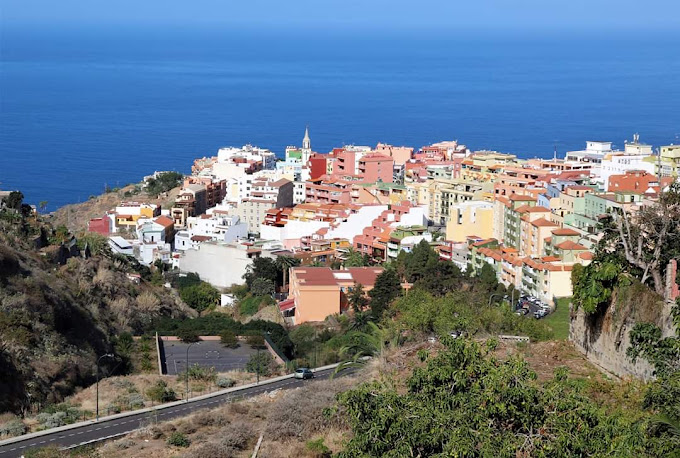
Puerto de la Cruz was for a long time THE tourist destination of Tenerife, well before Playa de las Américas or Costa Adeje existed. This town on the north coast welcomed its first British visitors from the end of the 19th century, drawn by its climate and its setting between ocean and mountains. The result today: a historic centre with real character, very different from the more recently built seaside areas in the south.
If you are staying in the south, Puerto de la Cruz deserves a day trip, if only to see what tourism on the island looked like before the boom of the 1970s and 1980s, and to enjoy a real pedestrian town centre by the sea.
🎯 Key things to know
📍 Location: North coast of Tenerife, in the Orotava Valley, about 36 km from Costa Adeje
🚌 Getting there from the south: TITSA bus line 343 from Costa Adeje (about 1h45, calling at both airports), or by car via the TF-1 then the TF-5 (about 45 min to 1h)
🅿️ Parking: Paid, near the seafront and the historic centre
🏛️ On site: Plaza del Charco, casco antiguo, Lago Martiánez, Playa Jardín, botanical garden, Loro Parque nearby
🌤️ Climate: Cooler and cloudier than the south, with frequent trade winds
ℹ️ Good to know: The historic birthplace of tourism in Tenerife, before the rise of the south in the 1970s and 1980s

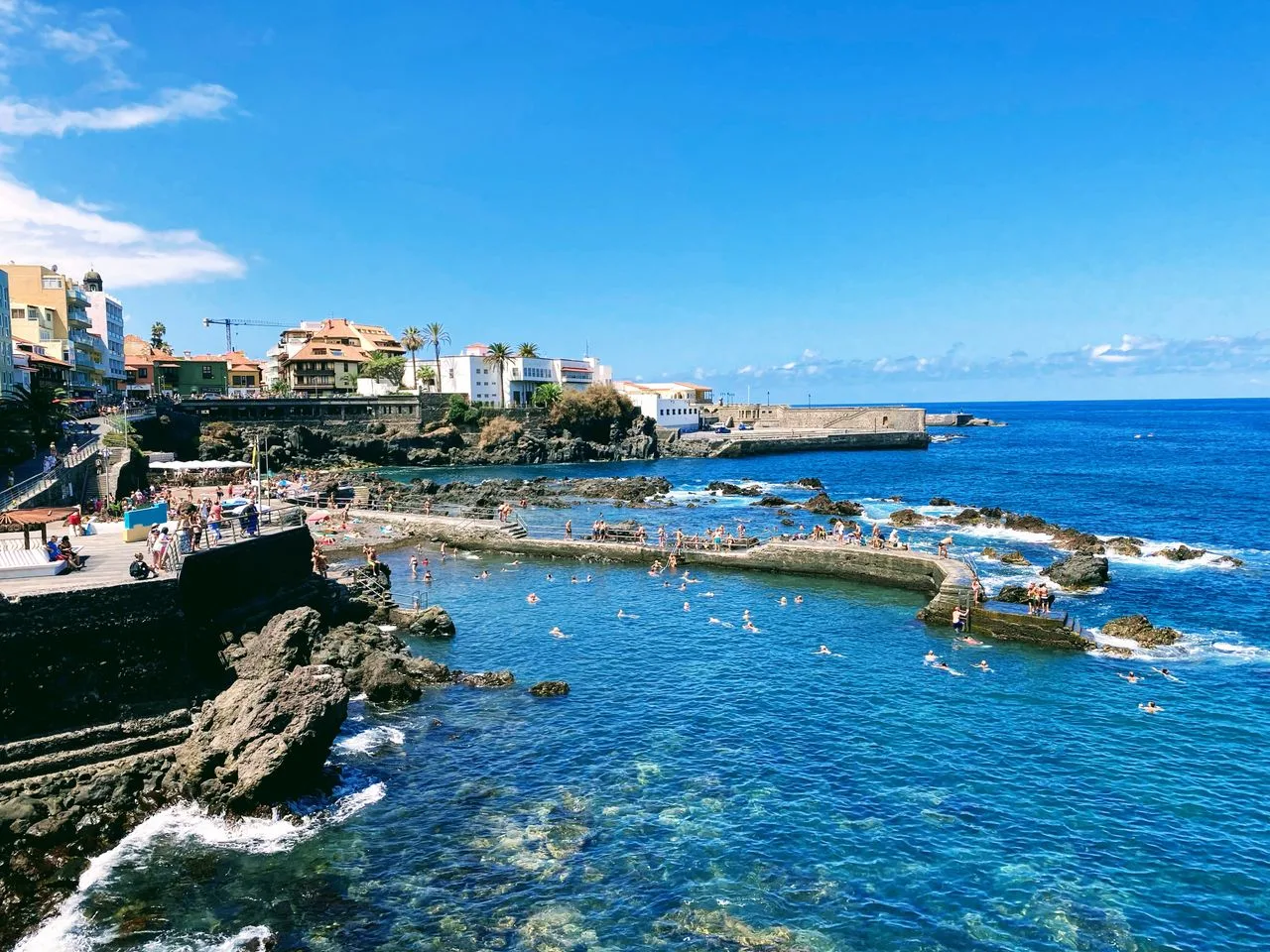
A town that invented tourism in Tenerife
Puerto de la Cruz grew as an export port for wine and then bananas, before becoming the first major tourist destination in the Canary Islands from the end of the 19th century, helped in particular by British visitors who came to treat their chests in a climate considered beneficial. The grand historic hotels on the seafront date from that time. It was only from the 1970s that tourist development shifted to the sunnier, drier south of the island, leaving Puerto de la Cruz with a different profile: more urban, greener, and less built around its beaches.
The main sights
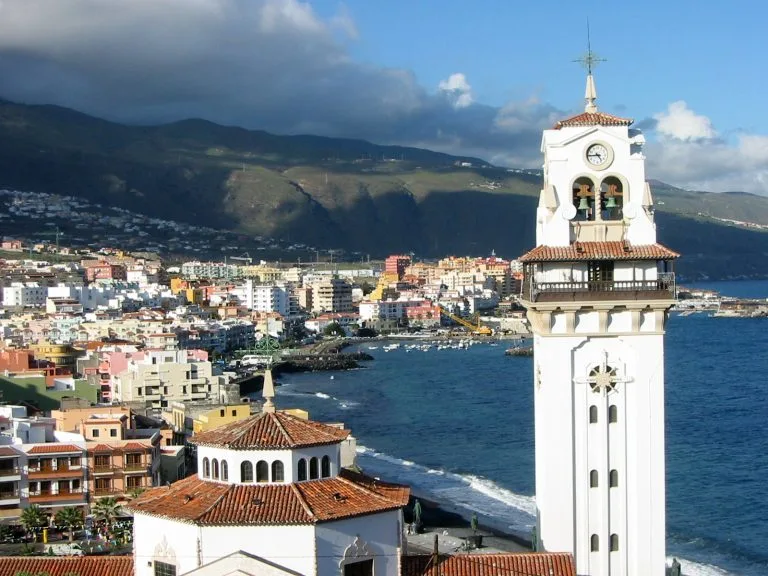
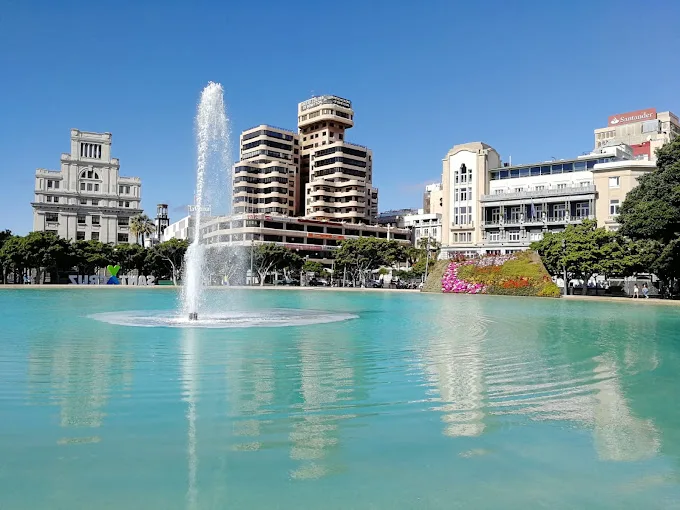
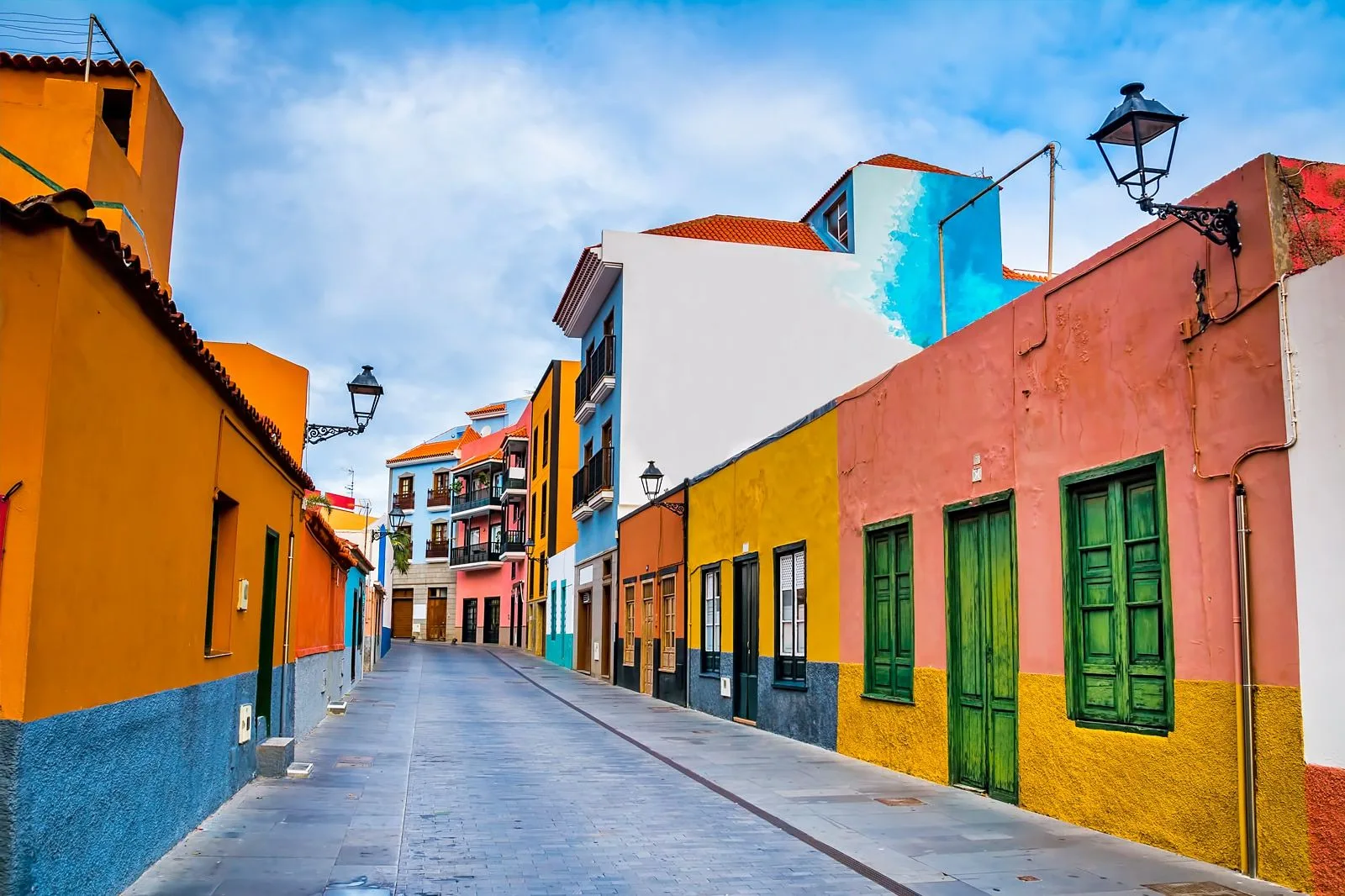
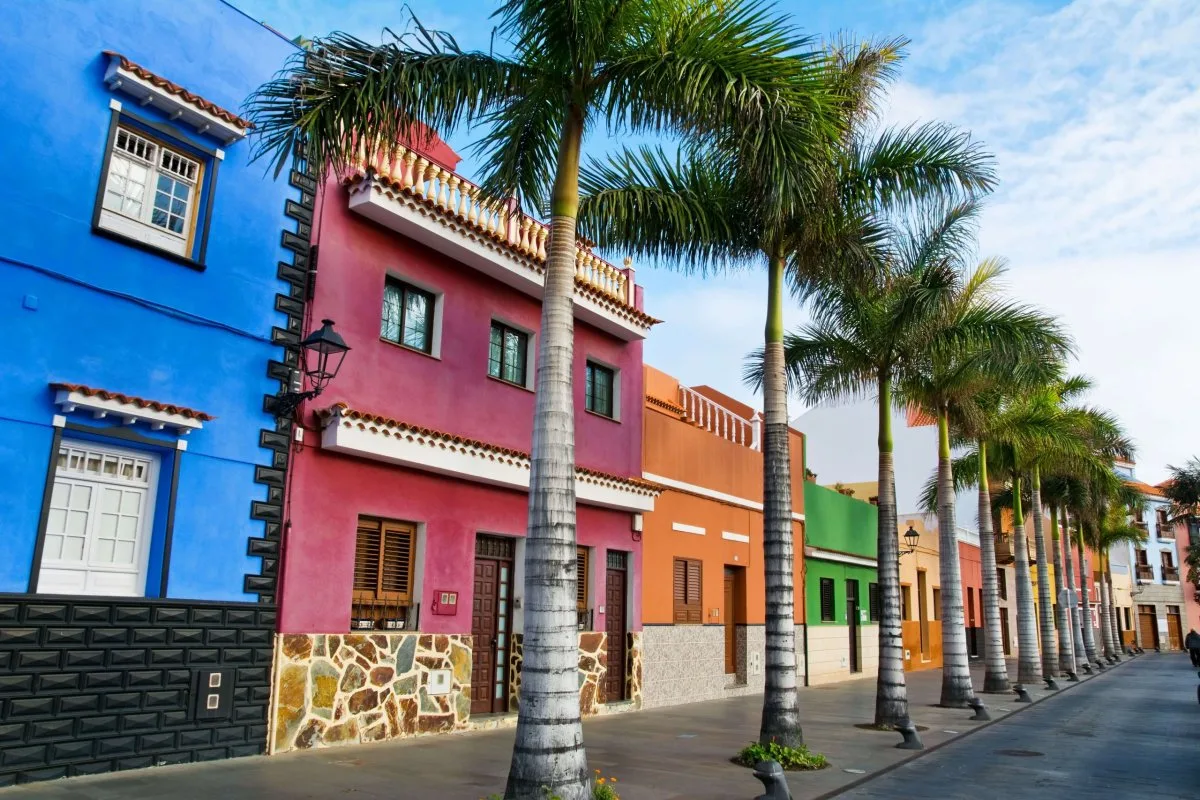
Plaza del Charco, lined with century-old laurel trees and café terraces, is the beating heart of the town and a good starting point for exploring the casco antiguo (old town) on foot: cobbled lanes, wooden Canarian balconies, and the church of Nuestra Señora de la Peña de Francia (1684). Castillo San Felipe, a small 17th-century fortress on the seafront, is also worth a look.
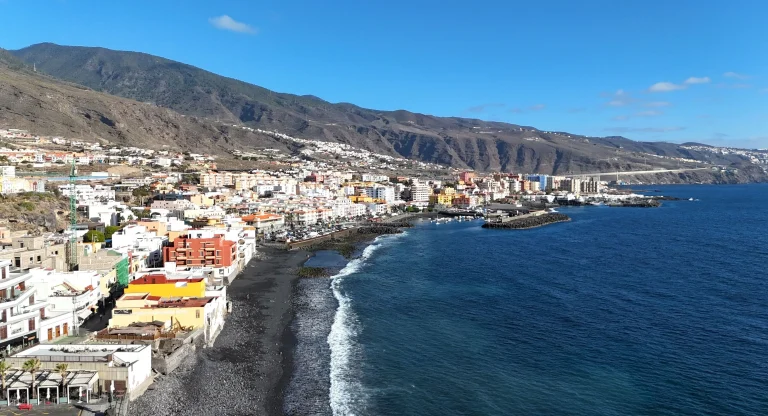
You cannot talk about Puerto de la Cruz without mentioning Lago Martiánez, the seawater pool complex designed by César Manrique (we have a full article on it, with all the up-to-date prices and opening times). Right next to it, Playa Jardín is a black sand beach surrounded by gardens, rather pleasant at the end of the day. Botany fans can go on to the Jardín de Aclimatación de La Orotava, founded in 1788, with more than 4,000 plant species. And about 2 km from the centre, Loro Parque remains one of the most visited family attractions on the island (see our dedicated article for prices and what to know before you go).
Getting there from the south
By car from Costa Adeje or Los Cristianos, allow about 45 minutes to 1 hour via the TF-1 motorway then the TF-5. By bus, TITSA line 343 runs directly from Costa Adeje to Puerto de la Cruz, but the journey takes longer than it looks on the map: allow about 1h45, as the line also calls at both of the island’s airports. If you do not have a car, plan on a good part of the day just for the round trip.
A climate different from the south
Like the rest of the north coast, Puerto de la Cruz is much greener and cloudier than the southern resorts: the trade winds run into the mountains and often form a cloud cover, particularly late in the morning and in the afternoon. That is precisely what makes the landscape around the town so green, but it is worth checking the weather before spending the day there if sunshine is your priority.
How much time to allow and when to go
Allow a full day if you are coming from the south, given the journey time: casco antiguo and Plaza del Charco in the morning, then Lago Martiánez or Playa Jardín in the afternoon. If you add Loro Parque, plan on a whole day for the park alone, and come back another day for the town itself. Puerto de la Cruz can be visited all year round, as the climate is more stable there than elsewhere on the island.
Nearby
The town combines well with an excursion to the nearby La Orotava Valley, or with Icod de los Vinos and its Drago Milenario, about 25 km away. If you have a car, the north of the island is also full of natural pools and black sand beaches within 20 minutes.
Torn between the capital and this town? Read my comparison Santa Cruz or Puerto de la Cruz.
To plan your day there, read our itinerary Puerto de la Cruz in one day.
Still deciding where to base yourself? Compare the areas in our guide to where to stay in Tenerife.
How long does it take to visit Puerto de la Cruz?
Allow a full day if you are coming from the south of the island, given the journey time: the morning for the casco antiguo and Plaza del Charco, the afternoon for Lago Martiánez or Playa Jardín.
How do you get to Puerto de la Cruz from Costa Adeje?
By car via the TF-1 motorway then the TF-5, allow 45 minutes to 1 hour. By bus (TITSA line 343), allow about 1h45, as the line calls at both airports along the way.
Is the weather in Puerto de la Cruz as good as in the south of Tenerife?
No, the north coast is much greener and cloudier than the south: the trade winds often form a cloud cover, especially late in the morning and in the afternoon.
Do you need to book Loro Parque in advance from Puerto de la Cruz?
Yes, it is better to book online in advance, especially in high season. See our dedicated Loro Parque article for up-to-date prices and practical tips.
Read also: the city centre of Tenerife: how to find your bearings and the gardens of Puerto de la Cruz, as well as our guide to the beaches of Puerto de la Cruz.