

Romerías in Tenerife: understanding this traditional Canarian festival
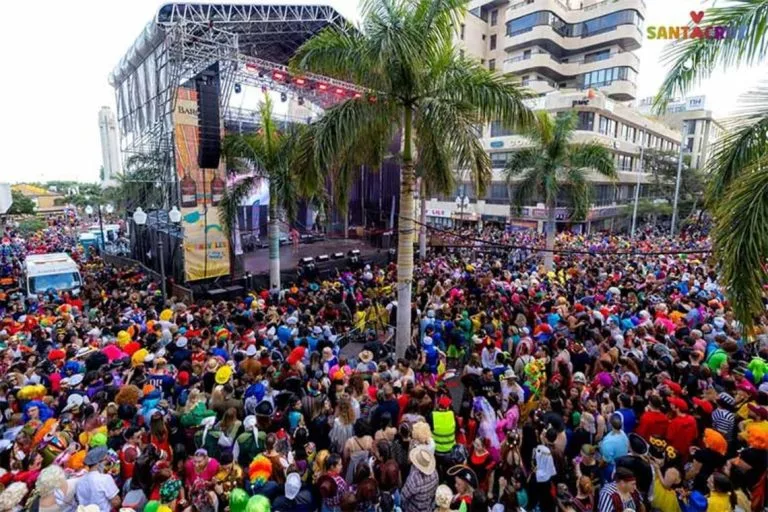
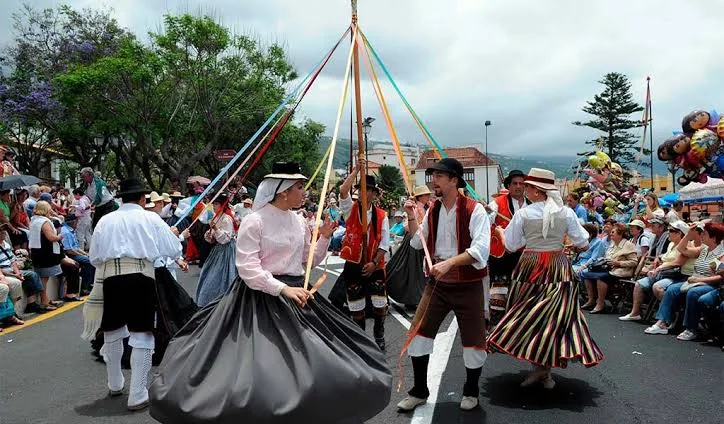
If you spend time in Tenerife, especially between May and September, you are quite likely to come across a romería: a road closed for a parade, ox-drawn carts laden with local produce, people in traditional costume dancing to the sound of an accordion. It is one of the island’s most alive traditions, and yet it is rarely explained to visitors.
Here is what you need to understand what you are looking at if you come across a romería during your stay, and how to join in if you want to experience the moment from the inside rather than from the pavement.
🎯 Key points
🙏 What it is: a festival that blends a religious procession with an agricultural celebration, in honour of a local saint
📅 When: all year round, with a peak between May and September (patron saint festival season)
🐂 What to see: the carros engalanados, ox-drawn carts decorated with farm produce
🎉 The best known: San Isidro in La Orotava (June), San Roque in Garachico (August)
🍷 Atmosphere: generously offered wine, gofio, traditional dancing and music, all day long
What exactly is a romería?
A romería is a festival that blends two things that are fundamentally very different: a religious procession in honour of a village’s patron saint, and a popular, agricultural celebration inherited from harvest thanksgiving rites. Some romerías go back several centuries: the one in Garachico, for example, has been celebrated since the 17th century, originally as a gesture of gratitude to San Roque during the plague epidemics that were then affecting the Canary Islands.
Today, the religious dimension is still present (mass and the procession always open the day), but it is mainly the popular festival that draws the crowds: music, dancing, food and wine shared between locals and visitors, in a much more relaxed atmosphere than a traditional ceremony.
How a romería unfolds
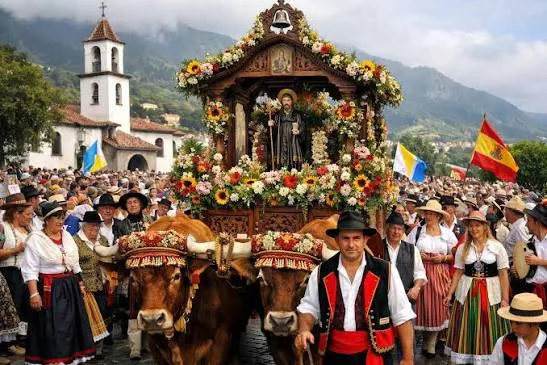
The day generally begins with a mass in honour of the village saint, followed by a procession through the streets to the central square. The visual highlight is the “carros engalanados”, ox-drawn carts decorated with a profusion of local produce: ears of corn, bunches of grapes, pumpkins, flowers, sometimes even farm animals.
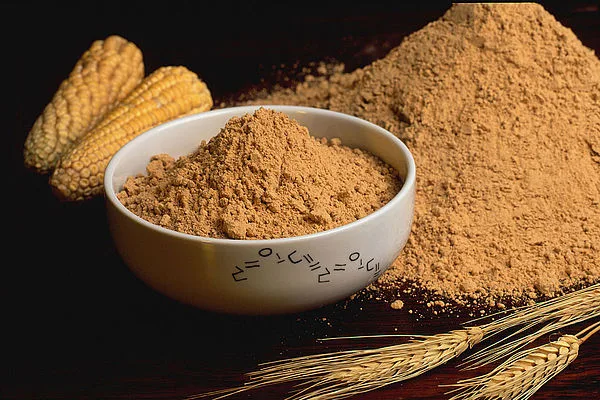
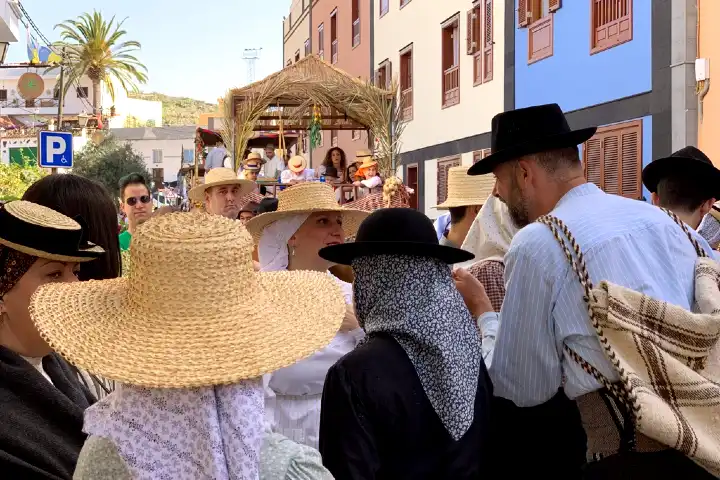
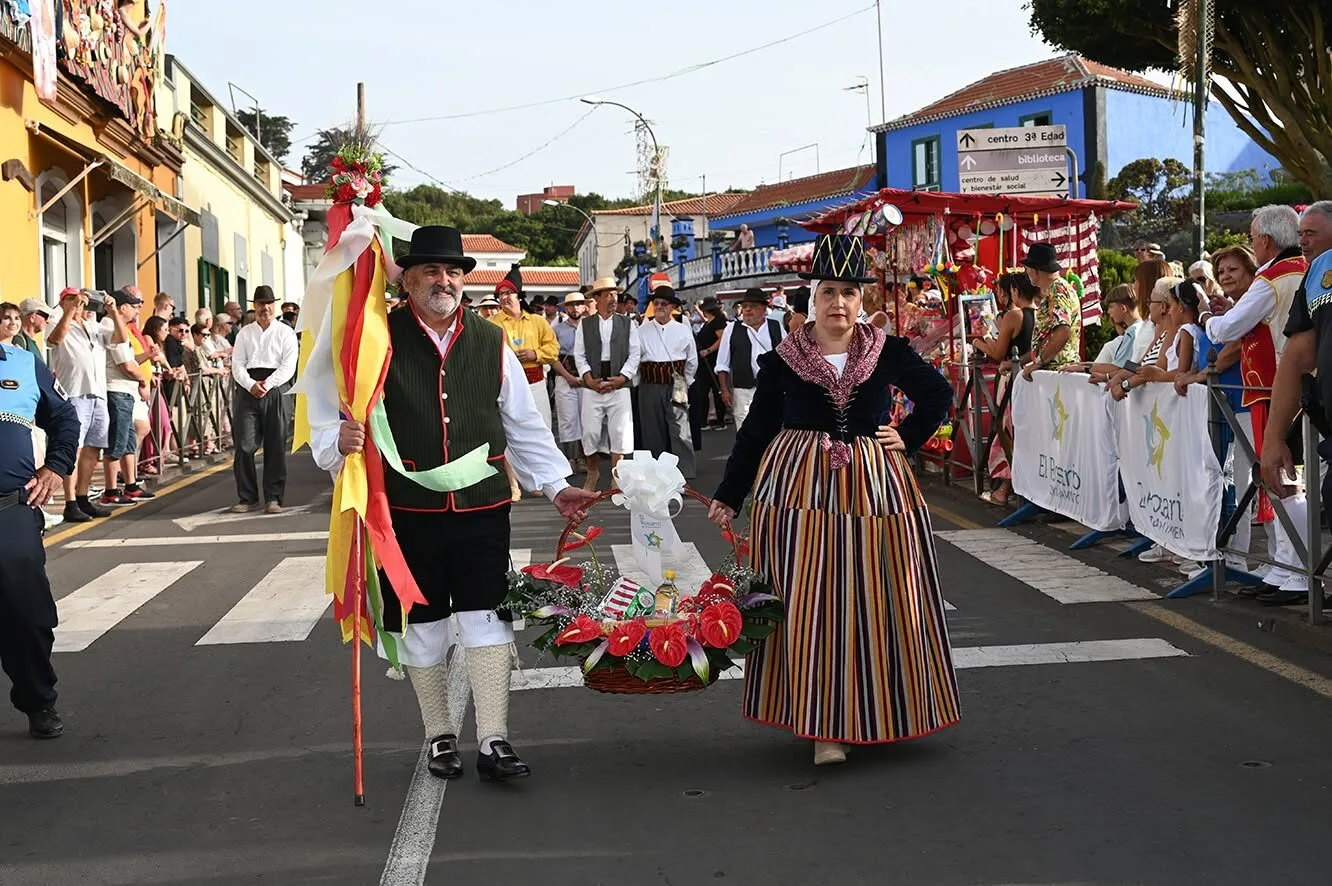
Participants parade in traditional Canarian costume, that of the “magos” (the name given to Canarian farmers in the past), to the sound of the parrandas, traditional music groups with a folklore firmly rooted on the island. Once the parade reaches the square, the festival continues in the afternoon with music, dancing, and a generous distribution of local wine and typical dishes such as gofio or papas arrugadas.
The best-known romerías in Tenerife
The romería of San Isidro Labrador in La Orotava, around mid-June, is one of the most renowned on the island for the richness of its costumes and decorated carts. It is part of a particularly dense calendar of patron saint festivals in La Orotava, which also includes the baile de magos and Corpus Christi with its famous carpets of flowers and coloured sand on the Plaza del Ayuntamiento.
The romería of San Roque, in Garachico, is generally held in mid-August and is among the oldest and most followed in the north of the island. Other villages hold their own romería during the year according to the calendar of their patron saint, notably Tegueste, Santiago del Teide or Buenavista del Norte in the Teno massif: if you pass through a small town on a Sunday and come across music and decorated carts, there is a good chance that this is what it is.
How to attend as a visitor
Anyone can attend a romería, and nobody will look at you oddly if you are not in traditional costume: it is an open festival, not a private ceremony. Romerías attract a lot of people and often close the village centre streets to traffic, so favour public transport or plan to park a little way out if you come by car.
Wine flows generously and for free during these festivals: a small reusable cup in your pocket is never a bad idea. The festivities generally start in the early afternoon and last several hours, so there is no need to arrive at the crack of dawn, but come for the start of the parade if you want to see the carts in full before they are scattered around the square.
What is a romería in the Canary Islands?
A festival that combines a religious procession in honour of a village’s patron saint with a popular, agricultural celebration, with decorated carts, music and dancing.
When do romerías take place in Tenerife?
All year round according to each village’s patron saint festival calendar, with a stronger concentration between May and September.
What is a carro engalanado?
An ox-drawn cart decorated with local agricultural produce (ears of corn, grapes, flowers), one of the most characteristic visual elements of a romería.
Can you attend a romería if you are not a local?
Yes, it is a festival open to everyone. Nobody expects visitors to wear the traditional costume, you just join the crowd.
What are the best-known romerías in Tenerife?
The romería of San Isidro in La Orotava in June and that of San Roque in Garachico in August are among the most followed on the island.
Read also: Corpus Christi in La Orotava: carpets of flowers and sand and the November festivals in Tenerife.