



Tenerife Wines: Grape Varieties, Appellations and Where to Taste Them
Tenerife is not just an island of beaches and hikes: it is also a wine-growing land, and a very special one. Thanks to its volcanic soils, the island escaped the phylloxera that devastated almost all European vineyards at the end of the 19th century. The result: some Tenerife vines are centuries old, never grafted, and produce wines that you won’t find anywhere else.
“Canary wine” even had its hour of glory long before tourism: it was exported to Elizabethan England, where Shakespeare himself mentions it in one of his plays. Here is what you need to understand this little-known heritage and where to discover it during your stay.
🎯 Key things to know
🍇 What makes it special: ungrafted vines, some of them centuries old, thanks to the volcanic soils that kept phylloxera at bay
📜 5 appellations: Tacoronte-Acentejo, Valle de la Orotava, Ycoden-Daute-Isora, Valle de Güímar, Abona
🍷 Flagship grape varieties: Listán Negro and Listán Blanco (the most widespread), Malvasía, Negramoll
🏛️ Where to taste without booking: the Casa del Vino, in El Sauzal (museum, tasting and restaurant, free entry)
📖 A little history: “Canary wine” was already being exported to England in the 16th century, and is quoted by Shakespeare
A vineyard spared by phylloxera
Phylloxera, the aphid that came from America, destroyed almost all of Europe’s historic vineyards at the end of the 19th century, forcing winegrowers to graft their vines onto resistant American rootstocks. Tenerife’s volcanic soils, rich in ash and lava, remained hostile to it: the island therefore has one of the highest concentrations in the world of ungrafted, own-rooted vines, some of them more than three hundred years old.
Another local feature is the traditional growing methods: the “cordón trenzado”, braids of vine shoots that can reach several metres in length to protect the grapes from the wind, or the “parral bajo”, a low trellis typical of the south of the island. These ancestral techniques, unique to Tenerife, are as much a part of the vineyard’s visual identity as of its production.
The island’s 5 designations of origin
Tenerife has five designations of origin (DO), each linked to a different area and altitude, which gives wines with very varied profiles on a very small surface area. Tacoronte-Acentejo, in the north-east near La Laguna, is the oldest and best known, renowned for its reds. Valle de la Orotava, on the slopes above Puerto de la Cruz, benefits from a special microclimate thanks to its altitude. Ycoden-Daute-Isora, in the north-west around Icod de los Vinos, owes its very name to the vine (“de los Vinos” means “of the wines”). In the south, Valle de Güímar and Abona grow vines at altitudes of more than 1,500 metres on the slopes of the Teide, among the highest vineyards in Europe.
The typical grape varieties to know
Listán Negro is the island’s most widespread red grape, giving fruity, easy-drinking wines, sometimes more structured depending on the altitude and the winemaker. Listán Blanco (not to be confused with the mainland Palomino Fino, although it is a close relative) gives lively, mineral whites. Malvasía, the historic grape behind the famous sweet “Canary wine”, is found today both as a sweet wine and in a more modern dry version. Negramoll completes the list with softer, more fragrant reds.
The wine that won over Elizabethan England
Even before Tenerife became a tourist destination, it was already known in Europe for its wine. From the 16th century, “Canary”, a sweet fortified wine made from Malvasía, was exported in large quantities to England, where it was highly prized at court. Shakespeare himself mentions it in Henry IV, proof of its fame at the time. This prosperous period shaped part of the island’s economy long before the first visitors came looking for sun.
Where to taste without having to book: the Casa del Vino
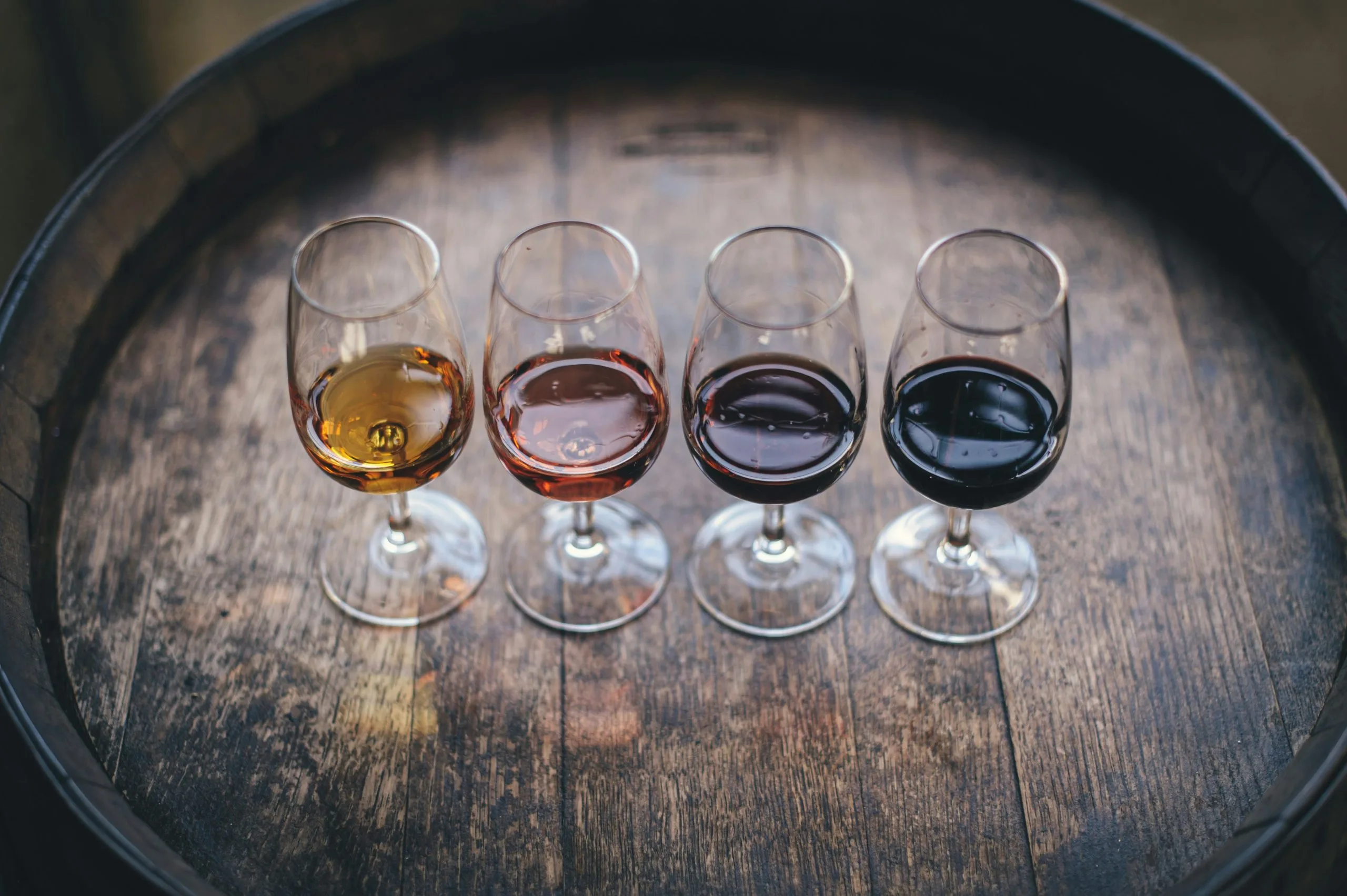
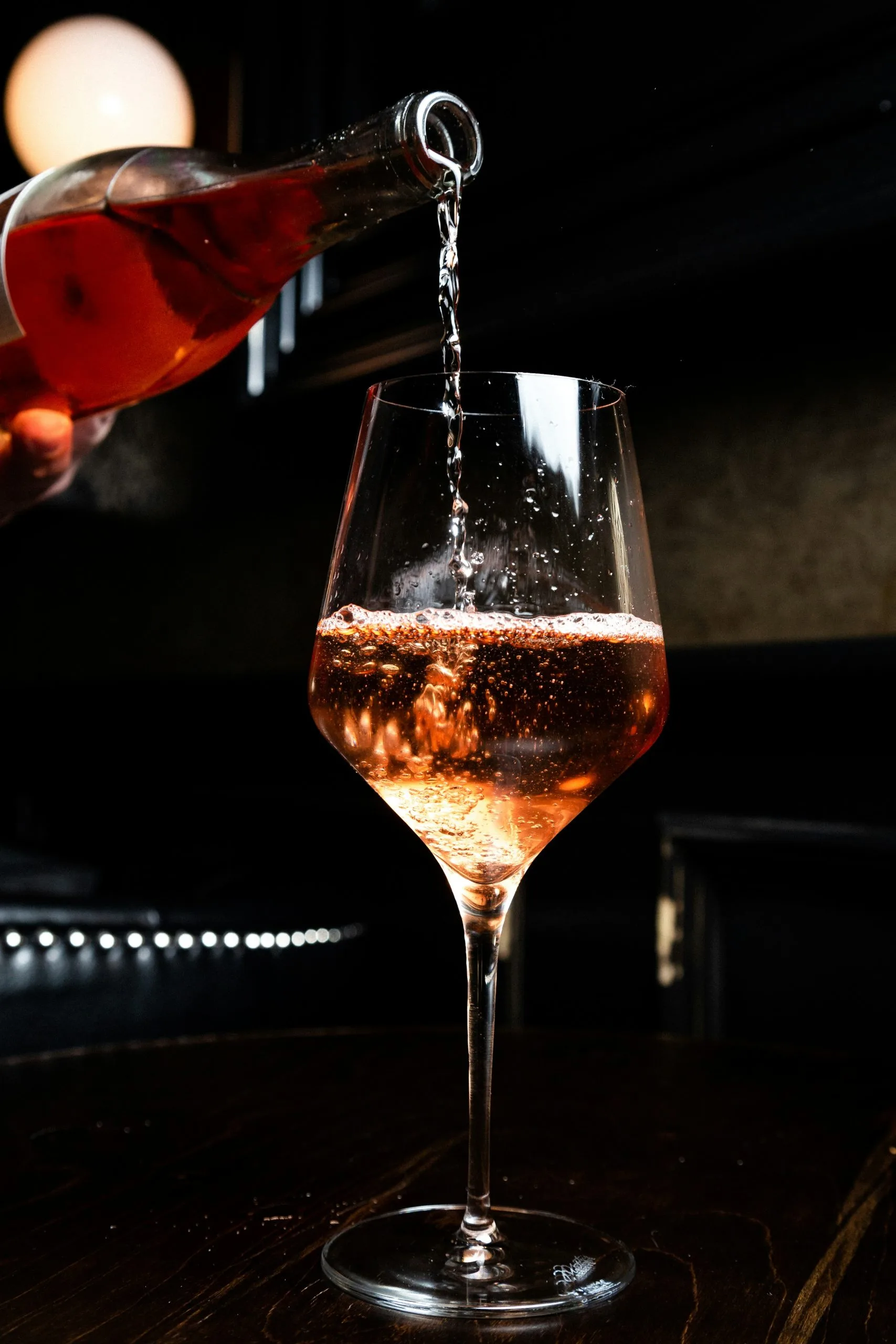
For a no-obligation first introduction, head to the Casa del Vino in El Sauzal, in the north of the island: a former 17th-century manor house turned into a wine museum, with tasting and a restaurant on site, open to all without an appointment. It is the simplest place to understand the history of the Canarian vineyard and taste several appellations without having to arrange a winery visit in advance.
If you want to bring a few bottles home, check the customs rules for the return journey in my article What to bring back from Tenerife. And if you are travelling as a couple, a tasting is one of the ideas in my article Tenerife for couples.
The Icod de los Vinos area, in the north-west, carries wine right in its name: several bars and restaurants in the village offer local tastings, a stone’s throw from the Drago Milenario if you combine the two visits. For a real winery visit with explanations on the spot, it is better to book in advance: several estates in the Tacoronte-Acentejo and Valle de la Orotava appellations offer guided visits followed by a tasting.
To bring back a bottle without visiting a winery, the local markets and grocery shops mentioned on our page Shopping in Tenerife offer a selection, alongside gofio and the island’s other typical products.
👉 Read also: Tacoronte, in the heart of the Tacoronte-Acentejo wine area, and the November festivals in Tenerife.
Why are Tenerife’s vines so special?
Because the island’s volcanic soils kept phylloxera from taking hold, unlike almost all European vineyards. Many vines have therefore never been grafted, and some are more than three hundred years old.
How many designations of origin does Tenerife have?
Five: Tacoronte-Acentejo, Valle de la Orotava, Ycoden-Daute-Isora, Valle de Güímar and Abona, each with its own terroir and altitude.
What are the typical grape varieties of Tenerife?
Listán Negro and Listán Blanco are the most widespread. Malvasía, the historic grape, and Negramoll complete the main local varieties.
Where can you taste Tenerife wine without booking?
The Casa del Vino in El Sauzal is the simplest option: a wine museum with tasting and a restaurant, open to all without an appointment.
Why is Tenerife wine said to have been famous in England?
From the 16th century, Canary wine, a sweet wine made from Malvasía, was exported to England where it was very popular, so much so that Shakespeare mentions it in Henry IV.