

What to Bring Back from Tenerife: Souvenirs, Local Products and Customs Rules
Gofio, mojo, wine, honey, embroidery or pottery: Tenerife has real souvenirs that are far more interesting than a fridge magnet. Here is what to bring back, where to buy it, what you can take home without paying extra tax and what is better left on the island.

Recommended for:
SouvenirsGiftsFood and drinkCustomsCrafts💡 Key things to know
- 🧺 What to bring back: gofio, mojo sauces, wines from the island’s five designations of origin, honey, goat’s cheese and ron miel, the Canarian honey rum.
- 🏺 Crafts: calados (openwork embroidery), pottery, manta esperancera, timple. To be sure where an item comes from, shop at the Empresa Insular de Artesanía stores run by the island government (Cabildo).
- ✈️ Customs: to an EU country, the allowance is €430 per traveller by air, 4 L of still wine, 1 L of spirits over 22% or 2 L of drinks at 22% or less, and 200 cigarettes (no tobacco or alcohol allowance for under-17s). Check your own country’s rules if you are not flying to the EU.
- 🧳 Luggage: sauces, wine and honey go in the hold, well wrapped. With no hold luggage, the airport duty free sells spirits and ron miel.
- 🌋 Leave behind: stones, plants and sand from Teide National Park.
Food and drink to bring back from Tenerife
| Product | Why bring it back | Where to find it |
|---|---|---|
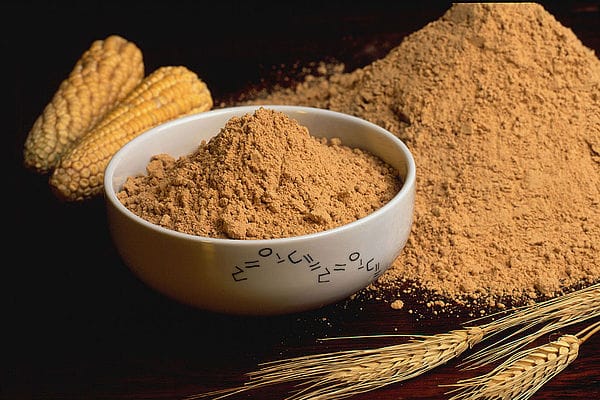
| Gofio | Flour made from toasted cereals, a legacy of the Guanches and a protected geographical indication (PGI) “Gofio Canario” since 2014. Eaten with milk, in broth or as a dough. | In every supermarket, in 500 g to 1 kg bags, and at markets for more artisan versions. Read my article on gofio. |
| Red and green mojo | The two essential sauces of Canarian cooking, for potatoes, meat or fish. | In jars at supermarkets and local product shops, for travelling. Fresh is better but keeps less well. |
| Wine | Five designations of origin: Tacoronte-Acentejo, Valle de la Orotava, Ycoden-Daute-Isora, Valle de Güímar and Abona. Vines that were never grafted, because phylloxera spared the island. | At the Casa del Vino in El Sauzal, at producers, at the Tacoronte markets and in supermarkets. |
| Honey | Tenerife honey has its own designation of origin. | At farmers’ markets, such as the one in Adeje at weekends. |
| Goat’s cheese | Fresh, smoked or cured. The Canary Islands’ protected cheeses (Majorero, Palmero, Flor de Guía) come from other islands, but Tenerife’s cheesemakers make good ones too. | Tacoronte market, Adeje farmers’ market and the Nuestra Señora de África market. |
| Ron miel | A honey rum, sweet and amber-coloured, typical of the Canary Islands, served as a digestif. More below. | Supermarkets, local product shops and the airport duty free. Check the alcohol strength for customs. |
| Bienmesabe | A very sweet almond dessert, often served over ice cream. | Try it in a restaurant first, then look for a jar in local product shops. |
To help you choose a wine, my guide to Tenerife wines explains the grape varieties and appellations. If you want to taste before you buy, the town of Tacoronte and its wine region are a good stop.
Ron miel: the honey rum of the Canary Islands
Ron miel is an alcoholic drink made from rum and honey: sweet, amber-coloured and very typical of the Canary Islands. There is even an official geographical designation, “Ronmiel de Canarias”. It is drunk as a digestif in a small glass, often well chilled, or added to a dessert. Its strength generally ranges from 20% to 45% depending on the brand, which matters for customs: the duty-free allowance is 2 L for drinks of 22% or less, but only 1 L above that. Check the label before you buy several bottles.
You will find it in supermarkets, in local product shops and in the airport duty-free shops, which I cover below. To taste it before buying, ask for a small glass in a restaurant or a guachinche.
Which crafts to bring back
The most typical craft souvenirs are calados, an openwork embroidery made by pulling threads out of linen or cotton, found on tablecloths and napkins, colourful pottery, the manta esperancera, a pale wool shawl once used for protection against the mountain cold, and the timple, a small five-string instrument used in Canarian music. Aloe vera, very common in the archipelago, also turns up in cosmetics: read the ingredients before you buy.
To avoid imported items sold as local, always ask where an article comes from. The Cabildo of Tenerife backs the Empresa Insular de Artesanía, which runs shops in Santa Cruz (Plaza de España), Las Vistas (Arona), Puerto Colón (Adeje), Puerto de la Cruz and La Orotava, where its head office is. Check opening hours before you go.
Where to buy your souvenirs
Markets are still the best places to buy local products: the Nuestra Señora de África market in Santa Cruz, open in the morning, the farmers’ markets in Adeje and Tacoronte at weekends, or the Los Cristianos market for souvenirs. All the opening days are on my shopping in Tenerife page (in French). For gofio or mojo, supermarkets are often the simplest and cheapest option.
On prices, the IGIC, the Canarian tax that replaces VAT, has a general rate of 7%, against 21% VAT on the Spanish mainland. The real gap also depends on the shop’s margin, so compare before you buy.
What to leave behind
Don’t pick stones or plants in Teide National Park. In May 2026, a couple of tourists were reported after pulling up a red tajinaste and picking up stones at Tabonal Negro: the fine they faced could reach €1,500, according to the newspaper Diario de Avisos. As a precaution, also leave the sand and pebbles of beaches, especially in protected natural areas, where fines can be high. If you want a volcanic stone, buy one in a shop. To understand the rule, read my article on the red tajinaste and my Teide National Park guide.
Customs on the way home: what you can bring back
The Canary Islands are part of the European Union but sit outside its tax territory: when you travel on to another EU country, the allowances for trips from outside the EU apply for VAT and excise. Here are the main limits per traveller aged 17 and over, according to the Tenerife tourist board and French customs. They apply to EU countries; the UK, Switzerland and other non-EU countries have their own allowances, so check your own customs authority.
| Product | Duty-free allowance |
|---|---|
| Other goods | €430 per traveller by air or sea, €300 otherwise, €150 for under 15s |
| Cigarettes | 200 (or 100 cigarillos, 50 cigars or 250 g of tobacco, your choice) |
| Still wine | 4 L |
| Beer | 16 L |
| Spirits and other alcohol | 1 L for drinks over 22%, or 2 L for drinks of 22% or less |
For tobacco, the quantities can’t be added together: you choose one type of product or a proportional mix. Tobacco and alcohol are not allowed duty-free for under 17s. These rules can change: check the customs website of your country before you leave, especially for animal products such as cheese, which I haven’t covered here.
In your suitcase: how to pack
🧳 To avoid unpleasant surprises
- 💧 As a general rule, liquids in the cabin are limited to 100 ml per container, except for purchases made after security. Some airports with recent scanners are more relaxed, but put sauces, wine, honey and ron miel in the hold to be safe.
- 🧦 Wrap jars and bottles in clothes, then in a plastic bag.
- 🧀 Take cheese vacuum-packed, and put it in a cool bag if the journey is long.
- ⚖️ Weigh your suitcase on the way out and on the way back: jars and bottles quickly add weight.
No hold luggage: the airport duty free

If you are travelling with just cabin luggage, you can buy spirits (including ron miel) and tobacco in the duty-free shops at the airport, located after security. Liquids bought there can generally stay in the cabin, usually in a sealed bag handed over at the till, which you should not open before you arrive. Still, check your airline’s rule, especially if you have a connecting flight.
What you buy at duty free counts towards your customs allowance: the limits per traveller are the same as in the table above. Compare with supermarket prices before you buy, because duty free isn’t always the better deal.
Gift ideas by person
For a foodie friend, a box of gofio, mojo and honey is easy to give. For someone who likes decor or cooking, a calado or a piece of pottery makes a lovely surprise. For a wine lover, a bottle from a lesser-known appellation makes them want to compare. For yourself, my advice is to buy what you actually tasted during the trip: it is the best way not to bring back a souvenir that will end up at the back of a cupboard.
Also read: shopping in Tenerife, gofio, Tenerife wines and the Canarian glossary (all in French).
Frequently asked questions
What food and drink should I bring back from Tenerife?
Gofio, red and green mojo sauces, wines from the island’s five designations of origin, Tenerife honey, goat’s cheese and ron miel are the most typical products. Bienmesabe, an almond dessert, is also worth trying.
What is ron miel?
It is a drink made from rum and honey, sweet and amber-coloured, typical of the Canary Islands, with an official geographical designation, “Ronmiel de Canarias”. It is drunk as a digestif and generally has an alcohol strength of between 20% and 45% depending on the brand.
How much alcohol and how many cigarettes can you bring back from the Canary Islands?
Per traveller aged 17 and over going to an EU country: 4 L of still wine, 16 L of beer, 1 L of drinks over 22% or 2 L of drinks of 22% or less, and 200 cigarettes, 100 cigarillos, 50 cigars or 250 g of tobacco. Check your own country’s customs rules before you travel.
Can you buy ron miel at the airport duty free?
Yes, the duty-free shops located after security sell alcohol. What you buy counts towards your customs allowance, and liquids generally travel in the cabin in a sealed bag: check your airline’s rule, especially if you have a connecting flight.
Can you take liquids in the cabin?
As a general rule, liquids in the cabin are limited to 100 ml per container, except for purchases made after security. Some airports with recent scanners are more relaxed, but it is safer to put sauces, wine, honey and ron miel in the hold.
Can you bring back volcanic stones from Tenerife?
Not if you pick them up yourself in a protected area such as Teide National Park: tourists have already been reported for it. If you want a volcanic stone, buy one in a shop.
Is there a lower tax in the Canary Islands?
Yes, the IGIC replaces VAT, with a general rate of 7% against 21% VAT on the Spanish mainland. The real gap depends on the shop, so compare prices before you buy.