

Tenerife Food Specialities: What to Try and Order
If you want to know what people actually eat in Tenerife, the answer comes down to a handful of dishes you will see on almost every menu: wrinkled potatoes to dip in a sauce, marinated pork, grilled goat cheese and a leftovers dish that became a classic. Canarian cooking is simple and generous, and it is much easier to enjoy when you know what is on the plate.
Here are the specialities to know before you sit down in a guachinche or restaurant: what each dish contains, when it shows up on menus, and which places on this site list it.
The essentials
Order first: papas arrugadas con mojo, the base of almost every meal
Festive dishes: carne de fiesta (marinated, fried pork) and conejo en salmorejo (marinated rabbit)
To share: queso asado (grilled goat cheese), ropa vieja, garbanzas
Seasonal dish: sancocho canario, mostly at Semana Santa (Easter week)
Desserts: bienmesabe, frangollo, quesillo
To decode a menu: the Canarian glossary
Papas arrugadas and mojos: where to start
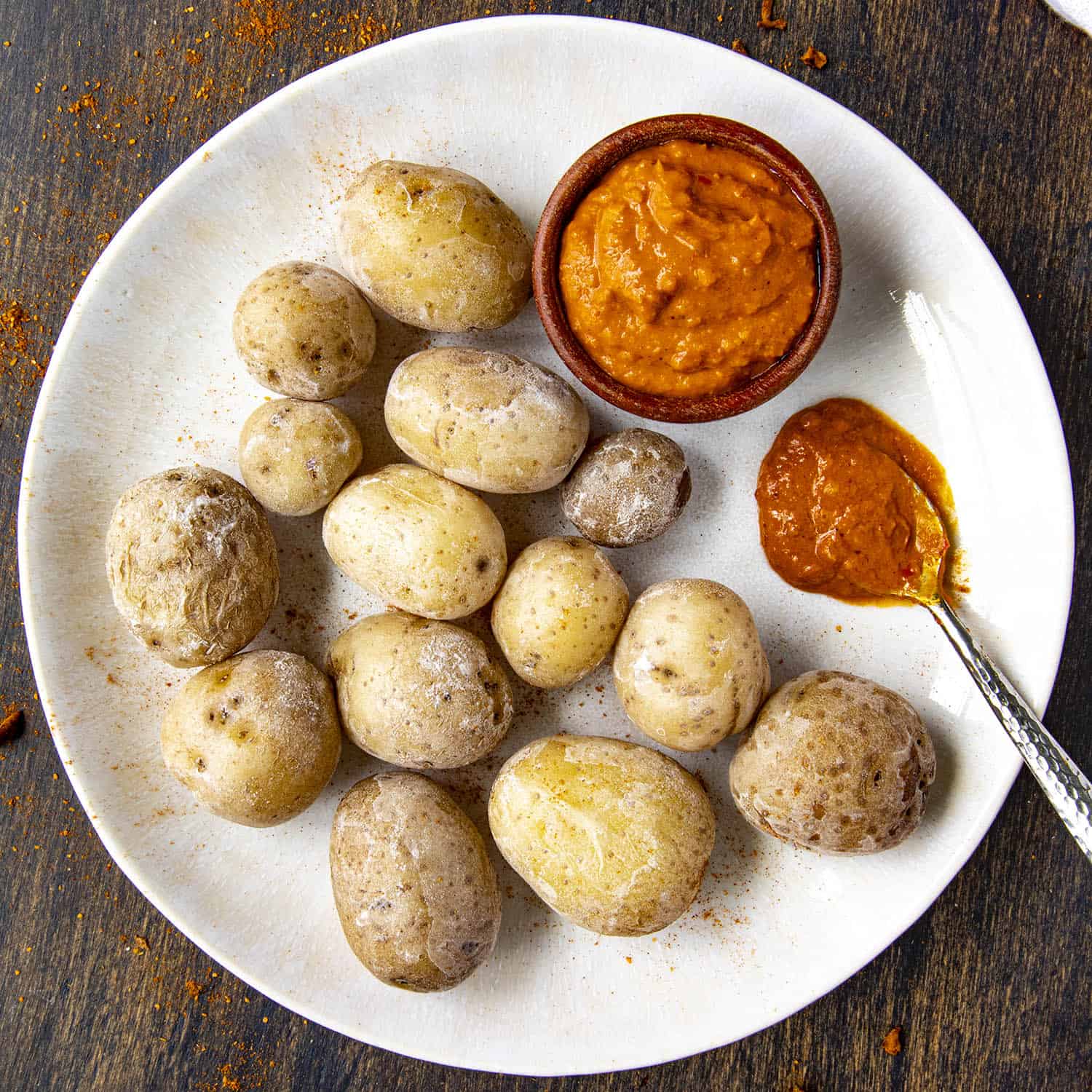
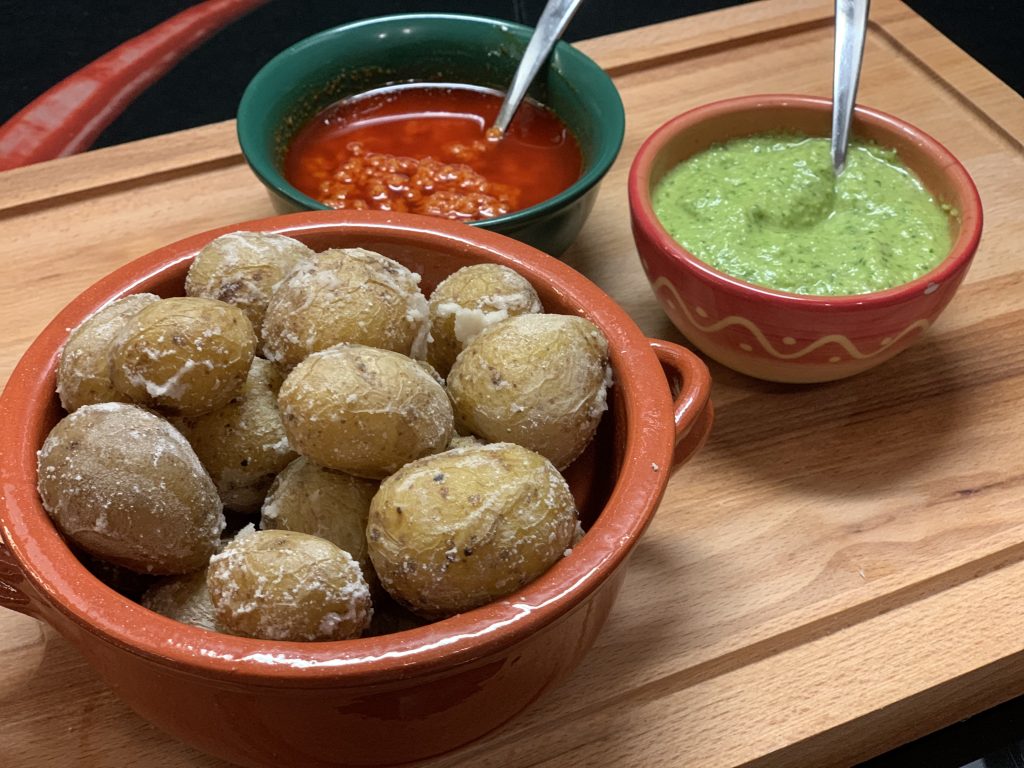
Papas arrugadas are small potatoes boiled in their skins in very salty water, ideally sea water. Once the water has evaporated, the skins wrinkle and get a thin coating of salt, hence the name. You eat them as they are, dipping them in a mojo. “Papas” is the word used here for potatoes, as the Canarian glossary explains.
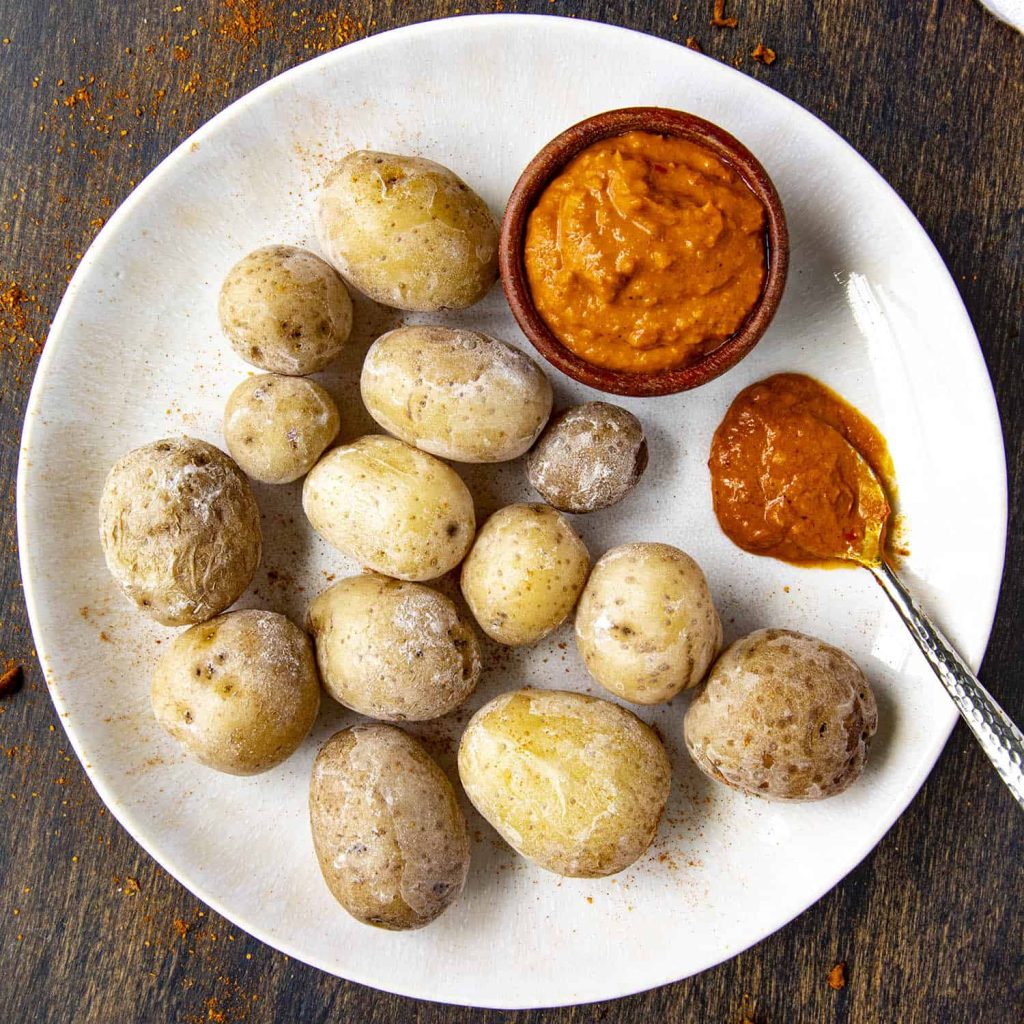
Mojo is the sauce that goes with nearly everything. Three versions come up all the time:
Mojo rojo
Base: red pepper, garlic, olive oil, vinegar, chilli.
Usually served with meat.
Mojo picón
Base: chilli, garlic, cumin, paprika, oil, vinegar, salt.
The spiciest of the three.
Mojo verde
Base: parsley or coriander, garlic, green pepper, oil, white vinegar.
The mildest, usually served with fish.
There are other mojos (cheese, coriander, garlic), but these three are enough to read a menu. If you are unsure, ask for both red and green: they almost always arrive together.
Meat dishes: carne de fiesta, rabbit and goat
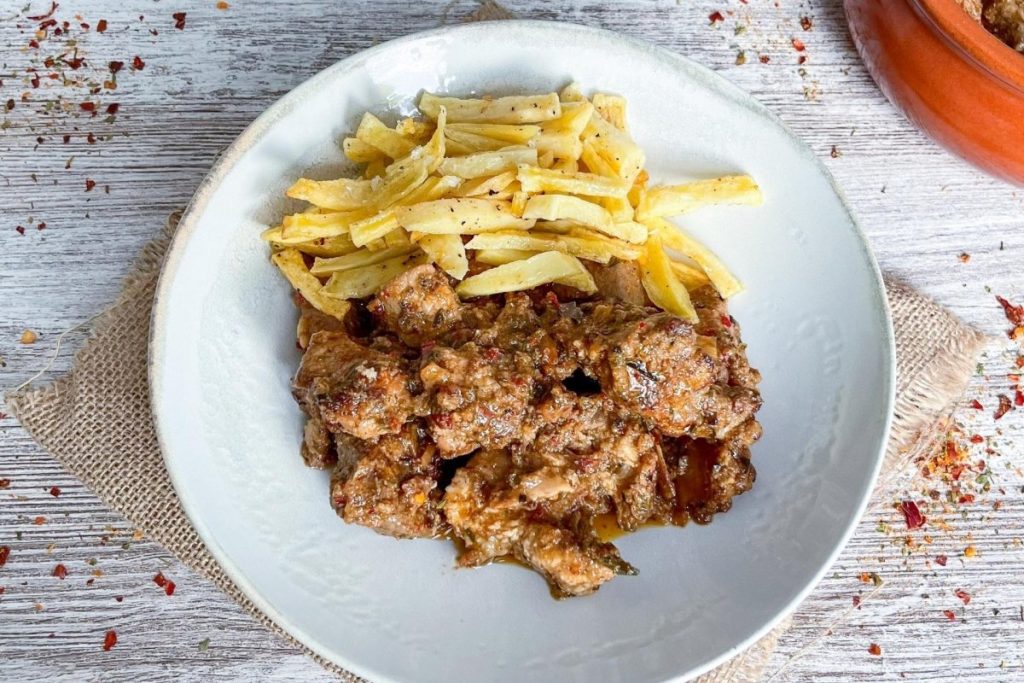
Carne de fiesta
This is diced pork marinated in an adobo of garlic, paprika, vinegar, oil, thyme, oregano and white wine, usually for several hours or overnight, then fried. The name comes from village festivals, verbenas and romerías, where it is cooked in large quantities. On a menu it often comes with papas arrugadas. You may also see it written “cochino en adobo” or simply “carne fiesta”.
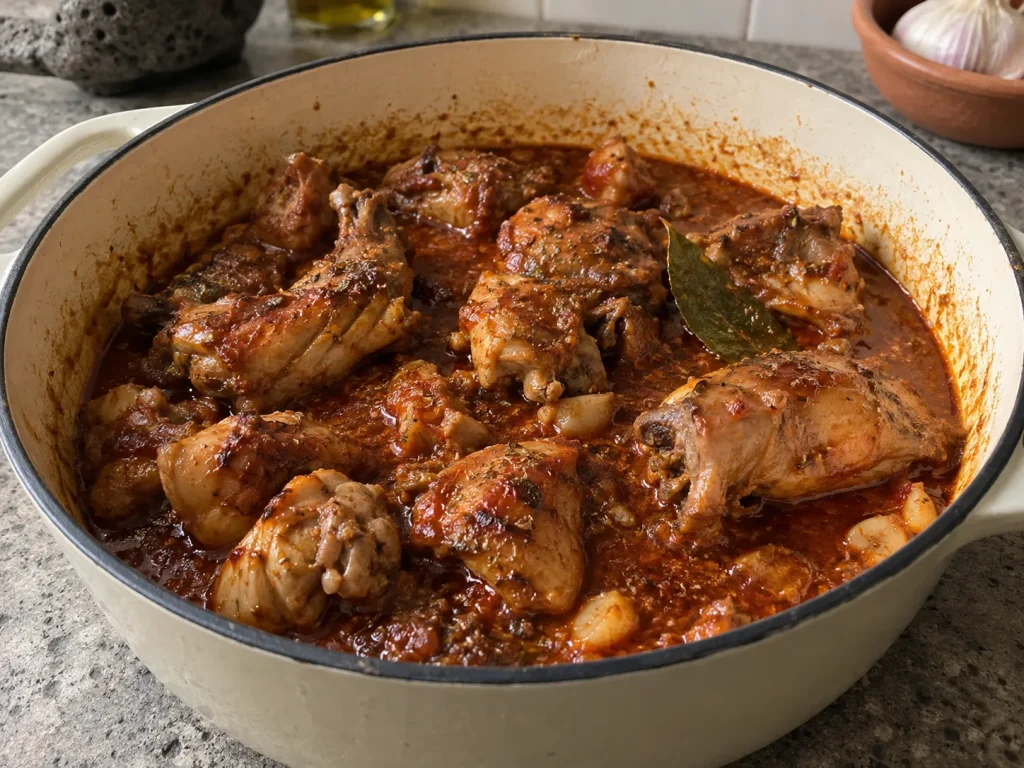
Conejo en salmorejo
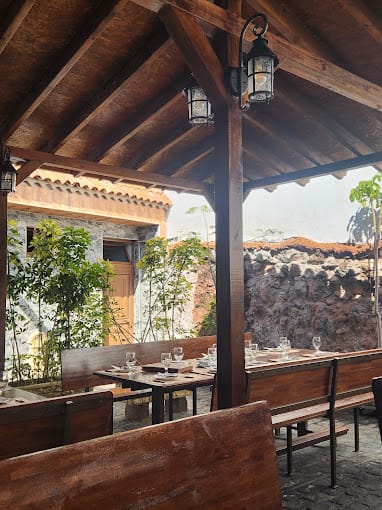
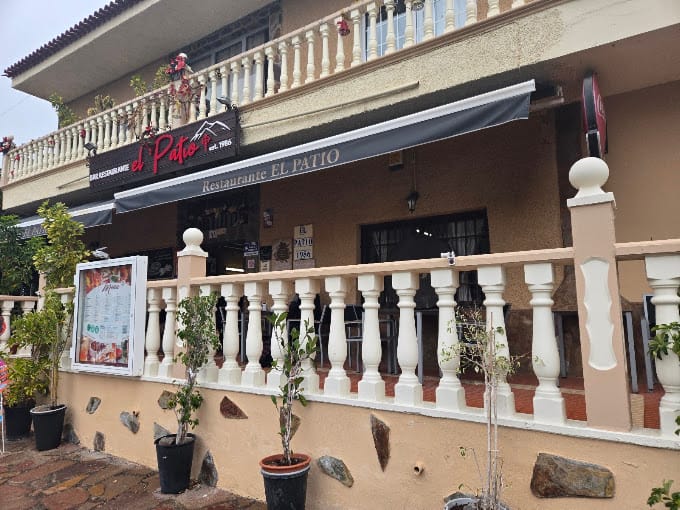
Careful: it has nothing to do with the cold Andalusian salmorejo. Here the rabbit marinates for about a day in garlic, paprika or chilli, wine and herbs, then is browned and cooked in its marinade. It is a Sunday dish, found mostly inland. It is on the menu at El Patio in Santiago del Teide, for example.
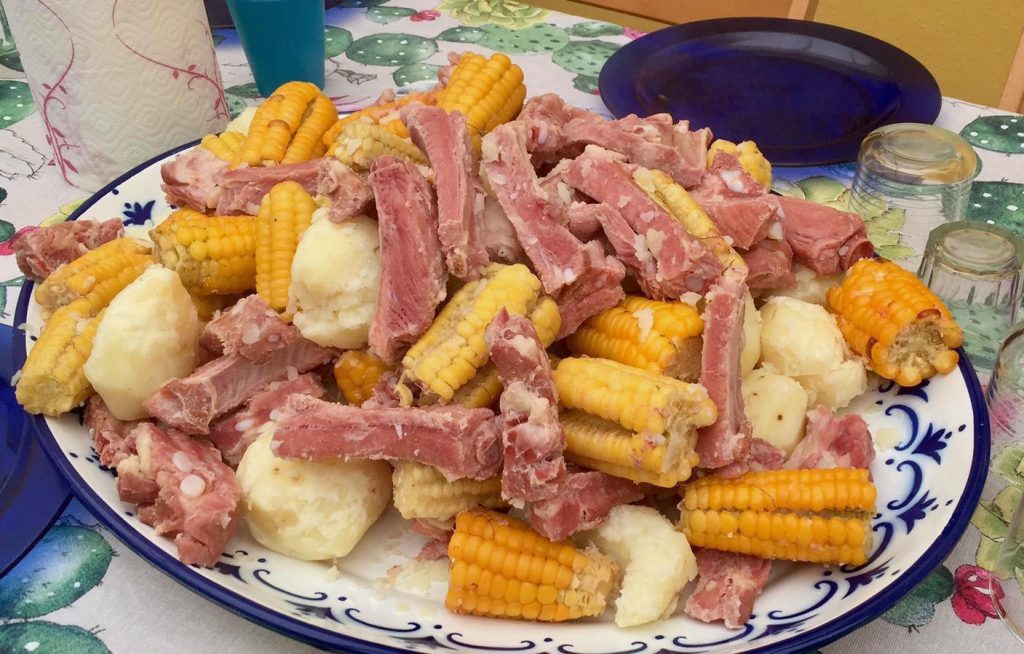
Costillas con papas y piñas, goat meat
In guachinches you will also come across salted pork ribs cooked with potatoes and corn on the cob (piñas de millo), and goat meat in sauce. These are family-kitchen dishes, served in big platters.
Ropa vieja and garbanzas: the leftovers kitchen
Canarian ropa vieja is not what its name might suggest. It comes from reusing leftovers: what remains of the puchero canario (the local stew) is stir-fried the next day. It contains chickpeas, beef and shredded chicken, onion, pepper and potatoes. The result is a rather dry, compact sauté, eaten with a fork and bread, not a saucy stew. It is also found in Cuba, where Canarian emigration took it.
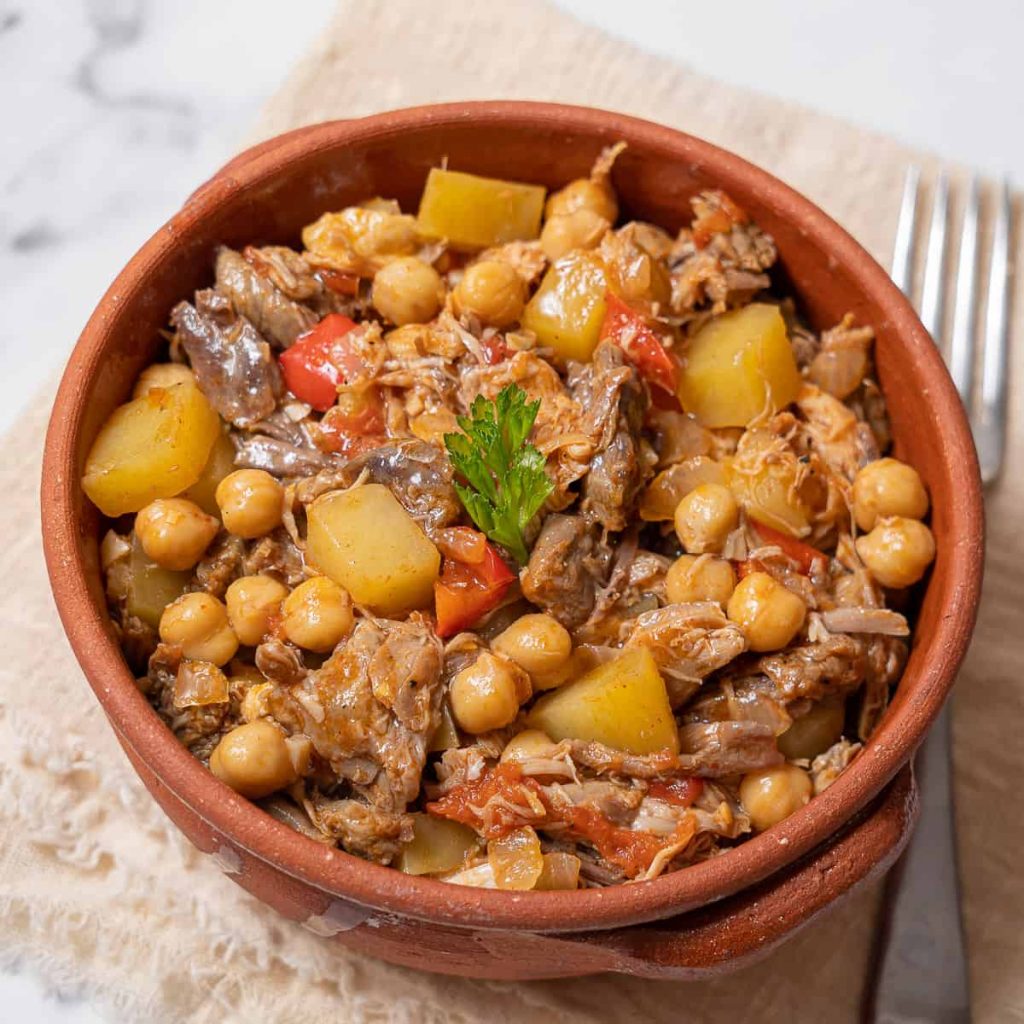
Garbanzas, a chickpea dish, also appear on several guachinche menus among the starters to share.
Queso asado: grilled goat cheese
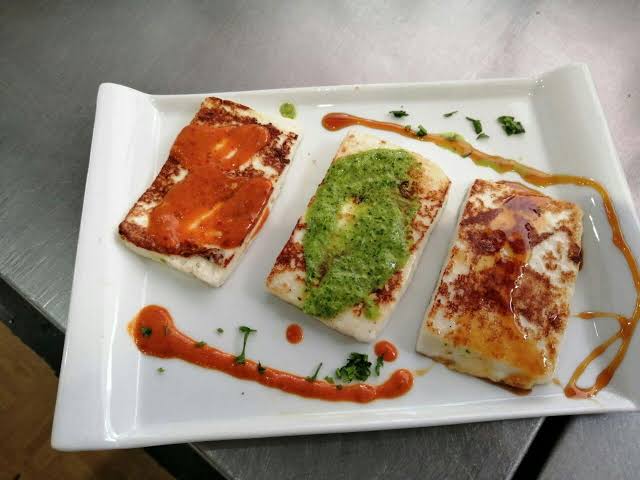
Queso asado is a piece of soft goat cheese seared on a griddle until golden outside and creamy inside. It is served with mojo (red and green) and, in some places, a drizzle of palm honey (miel de palma), widely used in the islands, especially on La Palma. You may also see it listed as “queso a la plancha”. It is a starter to share, perfect for opening a meal.
Sancocho canario: the Semana Santa dish
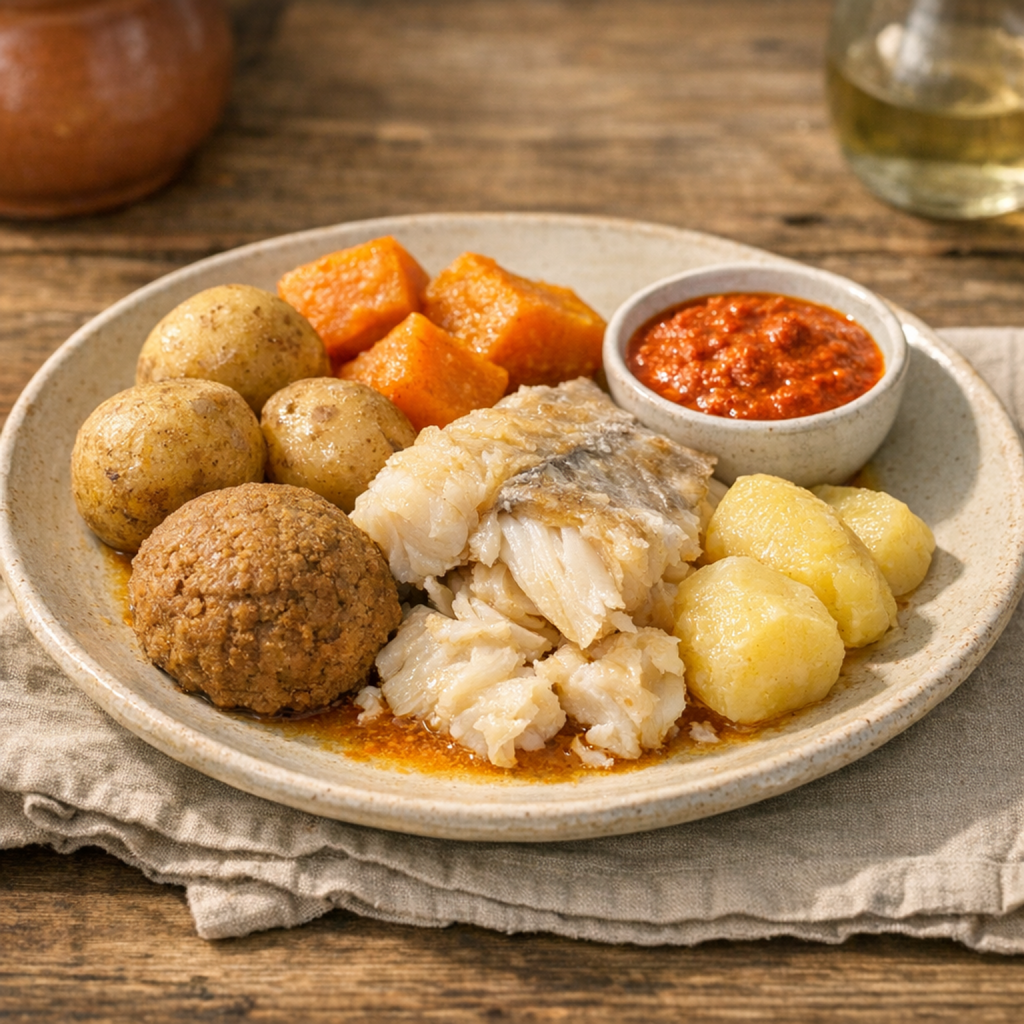
Sancocho is made with salted fish (traditionally cherne, sometimes corvina), soaked, then boiled with potatoes and sweet potatoes. It is served with mojo and a ball of kneaded gofio. It is the signature dish of Semana Santa, Easter week: outside that period it is harder to find on menus. If you travel at that time, that is when to ask for it.
Soups and stews: berros, rancho canario, escaldón
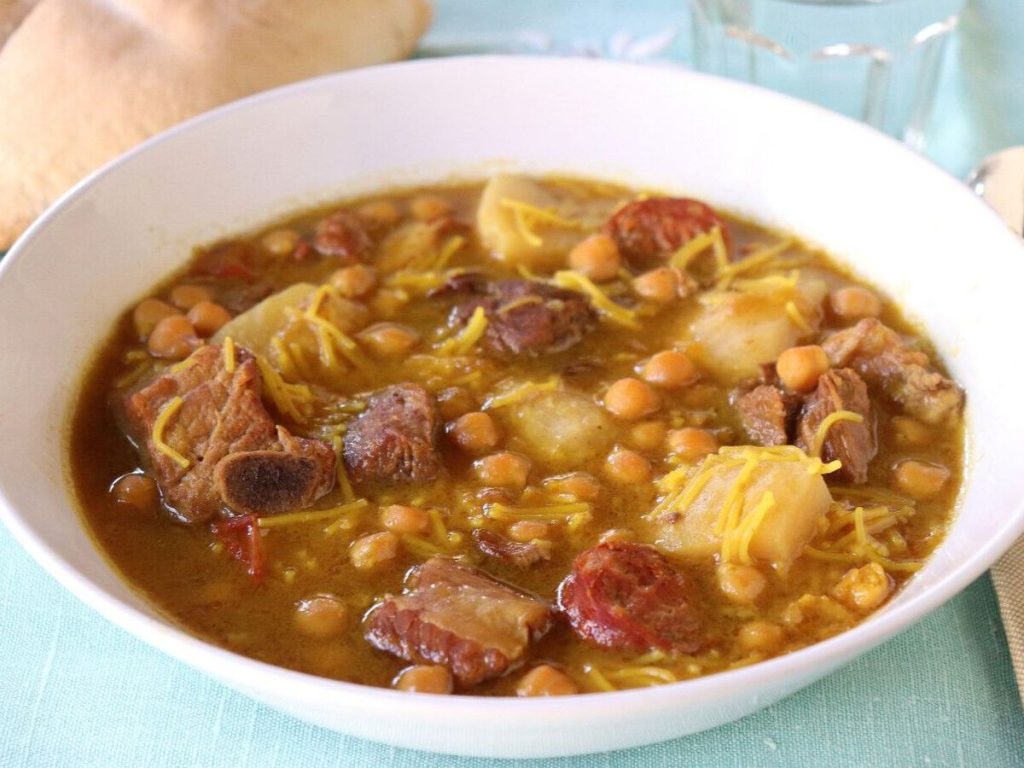
Potaje de berros is a thick watercress stew with beans, potatoes, green pepper and corn, served with kneaded gofio on the side. Rancho canario is a hearty soup of meat, potatoes, chickpeas and thick noodles. Escaldón (or gofio escaldado) is a gofio purée thinned with fish stock, sometimes served with raw onion. To understand what this flour is, read the article on gofio.
Fish and seafood
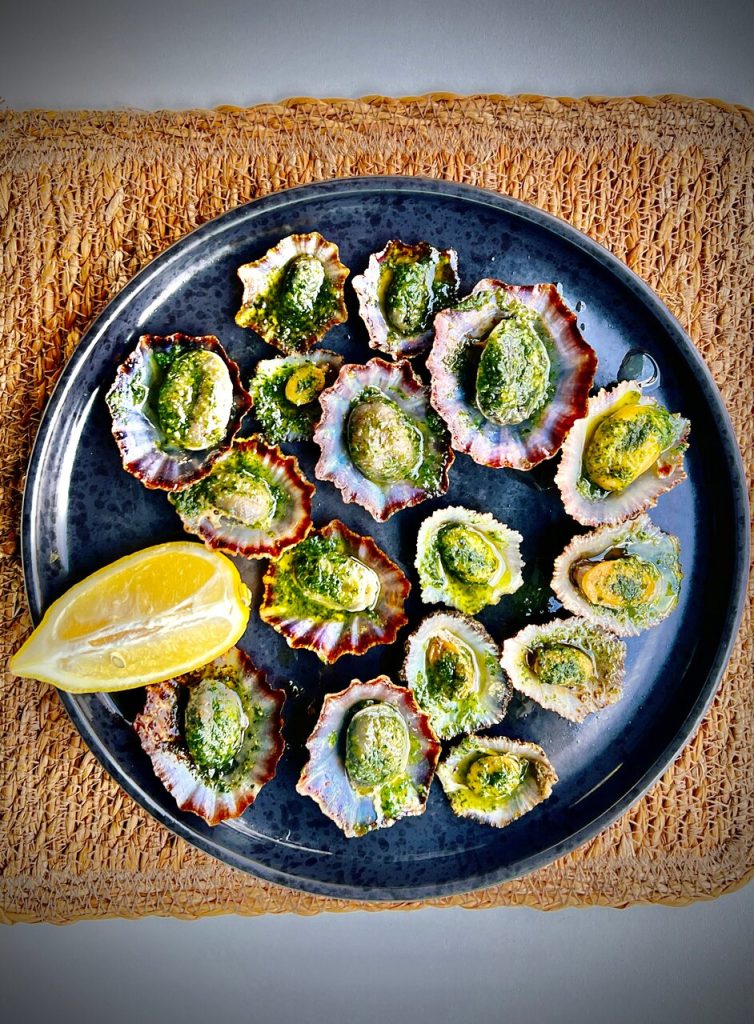
Around the island, menus offer grilled or fried fish: cherne, vieja, sama, sargos, depending on the catch. In summer you will also find limpets (lapas) grilled on the plancha. Fish is traditionally eaten with mojo verde and papas arrugadas.
Desserts and drinks: bienmesabe, frangollo, quesillo, barraquito
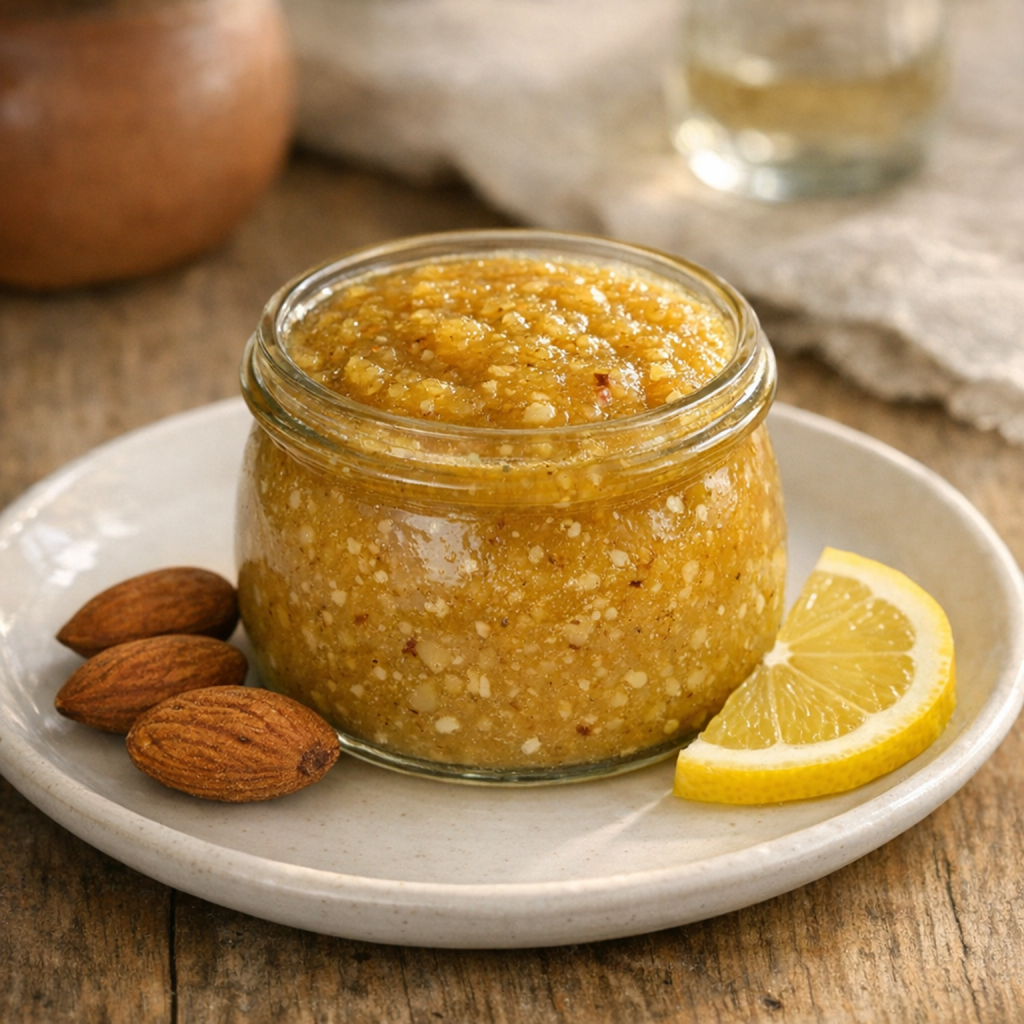
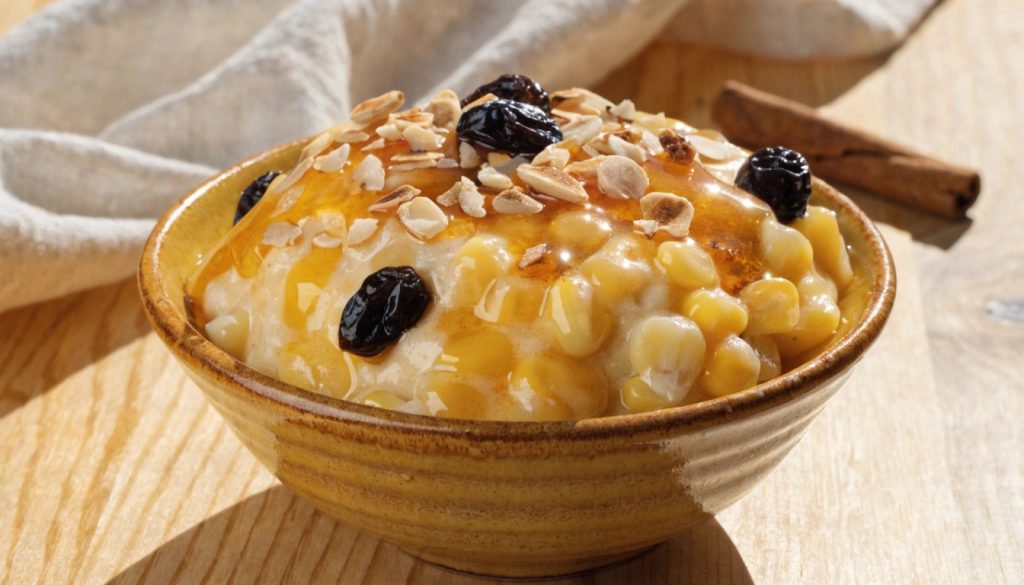
Bienmesabe is a dessert based on almonds, sugar, egg or honey depending on the recipe, often served with ice cream or cream. Its name roughly means “tastes good to me”. Frangollo is a dessert of corn cooked in milk with lemon, cinnamon and raisins. Quesillo is a condensed-milk flan, simpler and very common.
To finish, barraquito is a layered coffee with condensed milk, Licor 43, frothed milk, cinnamon and lemon zest. And at the end of a meal you will often be offered a small glass of ron miel, honey rum. If you want to bring products home, see our page on what to bring back from Tenerife (bienmesabe is mentioned there) and the article on Tenerife wines to go with your meals.
The barraquito in brief
A layered coffee with condensed milk, Licor 43 and frothed milk, born in Santa Cruz de Tenerife. The coffee flavour is very pronounced: it is a drink for coffee lovers, and an alcohol-free version exists.
To know more: What is a barraquito?
Where to spot these dishes at places on this site
This table lists the dishes mentioned on each place’s online menu. Dishes can change with the season and the catch, so always check on the spot.
| Place | Dishes spotted on the menu |
|---|---|
| El Cubano (La Orotava) | Queso asado, ropa vieja, papas arrugadas, escaldón, garbanzas |
| El Talegazo (La Orotava) | Queso asado, ropa vieja, homemade croquettes, huevos estrellados |
| El Primero (Santa Úrsula) | Queso asado, garbanzas, escaldón, goat meat |
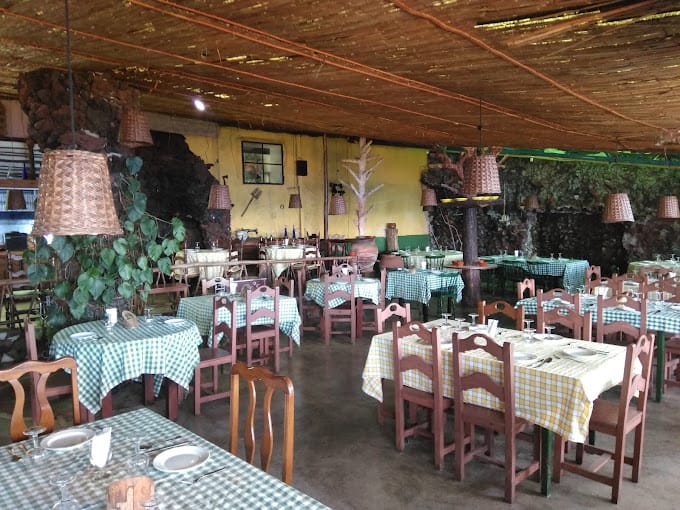
| El Patio (Santiago del Teide) | Papas arrugadas con mojo, rancho canario, conejo en salmorejo, goat meat |
To choose between restaurants and guachinches and understand how they work, see the guide Where to eat in Tenerife. To buy products yourself, see also groceries and supermarkets.
Frequently asked questions about Tenerife food
Which speciality should I try first in Tenerife?
Papas arrugadas con mojo: small potatoes boiled in very salty water and served with red or green mojo. You will find them almost everywhere.
What is carne de fiesta?
Diced pork marinated in an adobo of garlic, paprika, vinegar, thyme, oregano and white wine, then fried. It is a traditional village festival dish.
Can you find sancocho canario all year?
It is mainly a Semana Santa dish, served in Easter week. Outside that period it is harder to find on menus.
What is ropa vieja in Tenerife?
A sauté of chickpeas, beef and shredded chicken, onion, pepper and potatoes, made from the leftovers of the puchero canario. It is rather dry, not saucy.
What is the difference between red and green mojo?
Red mojo is made with red pepper and chilli, green mojo with parsley or coriander. Green is milder, and picón is the spiciest.
Which typical desserts should I try?
Bienmesabe made with almonds, frangollo made with corn and milk, and quesillo, a condensed-milk flan.