

Arico in Tenerife: villages, coast and landscapes of the south-east
Updated: 20 October 2026
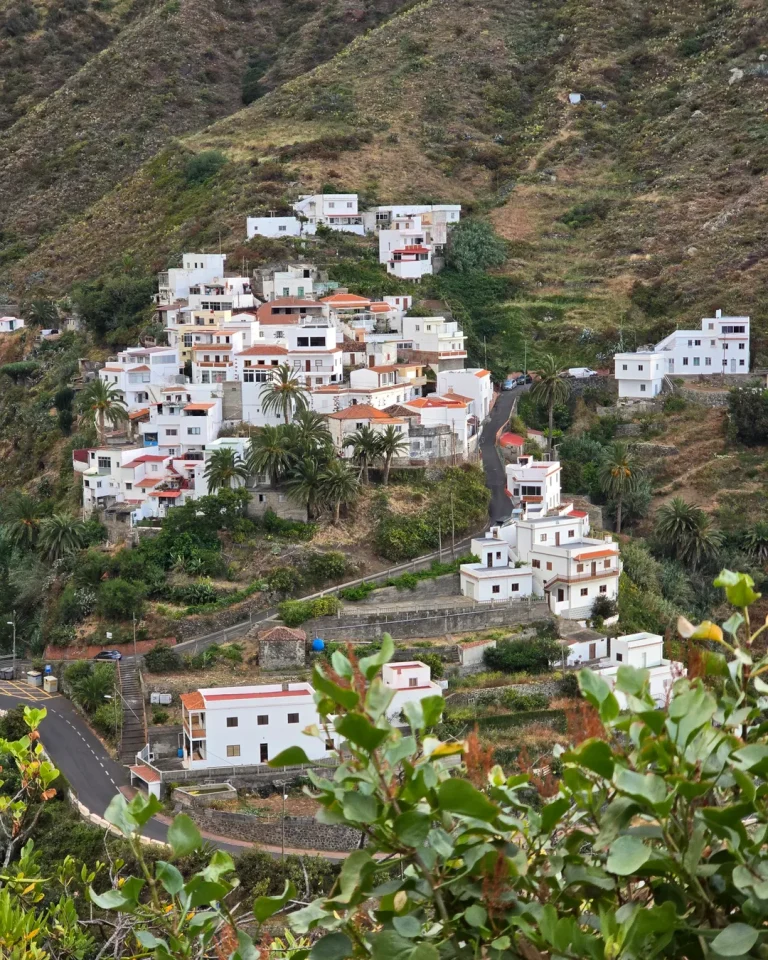
Arico is the second largest municipality in Tenerife, in the south-east of the island, between Fasnia and Granadilla de Abona. It stretches between the coast and the mid-altitude inland, with quiet villages, ravines and volcanic landscapes.
🎯 Key things to know
- Arico is divided into two urban areas, Arico el Viejo (the historic centre) and Arico el Nuevo (18th century).
- The two main coastal villages are Tajao and El Porís. There is no beach in the centre of the municipality.
- What to see: the church of San Juan Bautista (a historic-artistic monument since 1985), the church of Nuestra Señora de la Luz and the chapel of San Bartolomé.
- To get around between the hamlets, a car is more practical than the bus.
- The climate is mild and dry for much of the year.
The villages of Arico
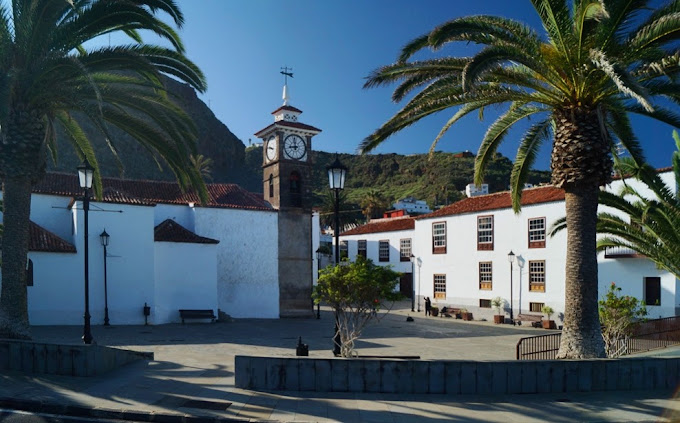
Arico el Viejo is the historic centre. The church of San Juan Bautista was declared a historic-artistic monument there in 1985, with a 17th-century Portuguese colonial-style tower. Villa de Arico received the title of Villa of King Alfonso XIII in 1916.
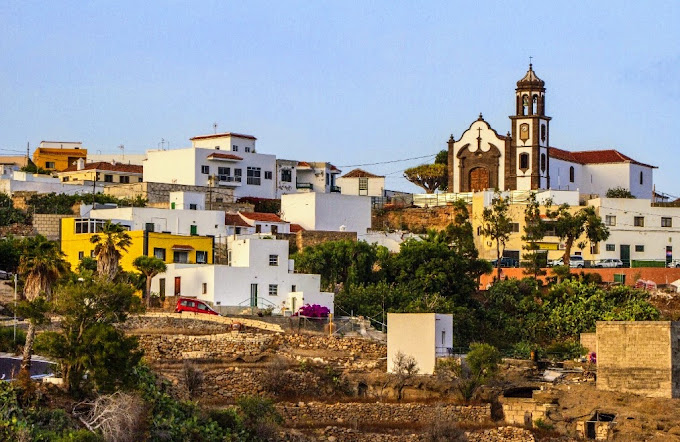
Arico el Nuevo dates from the 18th century: residents settled there, attracted by freshwater springs. It has the church of Nuestra Señora de la Luz and the chapel of San Bartolomé, both built at the end of the 17th century. Icor is a hamlet at an altitude of 330 m, near the main road.
The coast: Tajao, El Porís and Abades
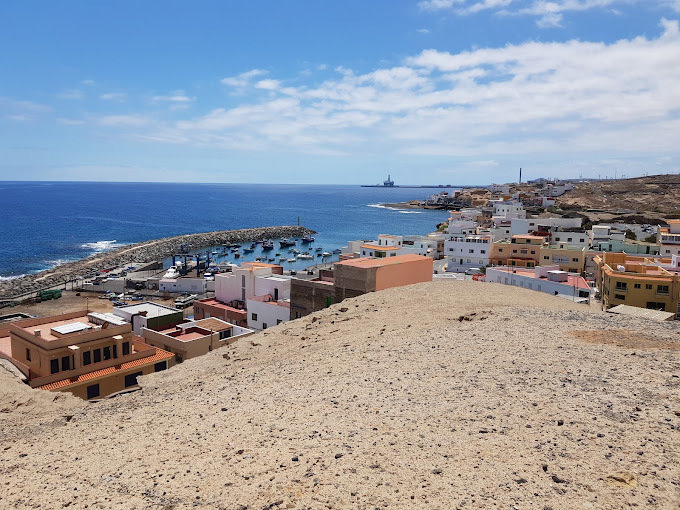
Tajao and El Porís are the two coastal villages, known for their swimming areas and seafood restaurants. According to the official Tenerife tourism website, Abades is a coastal area with coves and volcanic beaches, less visited, where you can swim when the sea is calm.
Hiking and climbing
- An intermediate-level trail starts from the El Contador recreation area, crosses the Tamadaya ravine and reaches Arico el Viejo.
- An easier route starts from the Plaza de los Condes de Santa María de Abona, in Villa de Arico, and leads to the hamlet of El Río along old stone paths.
Sport climbing is very popular on the volcanic rock sectors, with routes of various difficulties. For more walking ideas, read our page on hiking in Tenerife.
Wine, cheese and food
Arico is known for the quality of its wines and cheeses. On the coast, restaurants specialise in fresh seafood, especially in Tajao and El Porís. In Arico el Viejo, they serve a local stew and salted fish with chestnuts. The restaurant offer is modest but authentic, with traditional Canarian cooking. To understand the world of local wine, read our article on Tenerife wines.
How to get there
By car, from Santa Cruz or the south, take the TF-1 motorway then a signposted exit and local roads. Several TITSA lines connect Arico to the south-east and to Santa Cruz, but a car is more practical for moving between hamlets. To complete your visit to the south-east, also read our guide to Güímar and to El Médano beach.
Where to stay
The official website lists rural accommodation: restored traditional houses and small establishments.
Still deciding where to base yourself? Compare the areas in our guide to where to stay in Tenerife.
Frequently asked questions
Where is Arico?
In the south-east of Tenerife, between Fasnia and Granadilla de Abona. It is the second largest municipality on the island.
Is there a beach in Arico?
Not in the centre of the municipality. The swimming areas are on the coast, in Tajao and El Porís, and Abades has coves and volcanic beaches.
What is there to see in Arico?
The church of San Juan Bautista, the church of Nuestra Señora de la Luz, the chapel of San Bartolomé, the ravines and the volcanic landscapes.
Do you need a car to visit Arico?
There are TITSA lines, but a car is more practical for getting around between the hamlets.