
Tenerife: 25 practical questions before you go
Updated: 19 October 2026
🎯 Key facts
- The Canary Islands are part of Spain and the European Union: no visa is needed for a tourist stay if you come from France, Belgium or another EU country.
- Currency: the euro. Plugs: the same as in France. Time difference: one hour behind France, all year round (the same time as the UK).
- The particularity to know about: the Canary Islands are outside the EU tax territory, which changes prices on the spot (IGIC instead of VAT) and the duty-free rules on your way back.
Planning your trip and still have a few everyday questions? Here are 25 quick answers, sorted by stage of the trip. For each topic, a link takes you to our full guide when there is one.
Before you go
1. Which documents do you need to go to Tenerife?
A valid identity card or passport is enough for EU nationals. Other nationalities should check entry conditions with their foreign ministry. All the details, including travelling with a child, are in our guide to formalities and documents.
2. Is there a time difference with France?
Yes, one hour behind France in the Canary Islands, all year round. When it is noon in Paris, it is 11am in Tenerife, in summer and winter alike.
3. Which currency is used, and do you need cash?
The euro. Bank cards are accepted almost everywhere, including contactless. Keep a few euros in cash for small kiosks, markets and some village restaurants. To withdraw money, prefer bank ATMs, as some independent machines charge fees.
4. Will my mobile plan work?
The Canary Islands are part of the European Union: in general, your European plan applies as in mainland Spain. Check your plan’s data limits and roaming options. Our page on internet and phone details the solutions.
5. Do you need a plug adapter?
If you come from France or Belgium, no: the sockets and voltage are the same (230 V). Travellers from Switzerland, the UK or North America will need an adapter.
6. Which language is spoken?
Spanish. In tourist areas, English is common, French less so. A few words of Spanish are always appreciated, and our Canarian glossary helps you understand local words.
7. What insurance should you take?
If you are insured in France, bring your European Health Insurance Card (CEAM), which covers emergency care in the public system (UK residents: the GHIC). It does not cover medical repatriation, hence the value of travel insurance on top. See our guide to health and travel insurance.
8. When should you go to Tenerife?
The island can be visited all year round, but the climate varies a lot between the north, the south and the mountains. To choose your month, read our Tenerife weather page and the month-by-month guides.
Day to day on the island
9. Is tap water safe to drink?
It is generally considered drinkable, but its taste doesn’t suit everyone and most locals drink bottled water. If in doubt, ask at your accommodation: “¿Es potable el agua del grifo?”.
10. What time do people eat?
Lunch is usually between 1pm and 3:30pm, dinner from 7:30pm or 8pm in tourist areas and later in villages. Outside the resorts, some kitchens close between the two services: don’t plan to arrive at 4pm.
11. Are shops open on Sundays?
In tourist areas, many shops and supermarkets open on Sundays. Elsewhere, a good share of businesses close, and small shops may take a break in the middle of the day. Check the hours before heading out, and see our guide to groceries and supermarkets.
12. Do you need to tip?
It is not compulsory. In restaurants, people often leave a few euros or around 5 to 10% of the bill when the service was good, and round up for taxis. Service is not usually added automatically: check your bill.
13. What does IGIC mean on receipts and prices?
IGIC (the Canary Islands general indirect tax) replaces VAT in the Canary Islands. Its general rate is lower than VAT in mainland Spain, and displayed prices usually include it. Our guide to formalities explains this particular tax status.
14. Where should you do your shopping?
There are many supermarkets in tourist areas, with farmers’ markets in the north. To compare chains and opening hours, see our groceries guide and the shopping page.
15. How many days do you need to see the island?
It depends on your pace and what you want to do. Our guide how long to stay in Tenerife details durations and itineraries.
Health and safety
16. What should you do in an emergency?
Dial 112, the European emergency number, free and valid throughout Spain. If needed, you can also go to the emergency department of the nearest hospital.
17. How do you find a pharmacy?
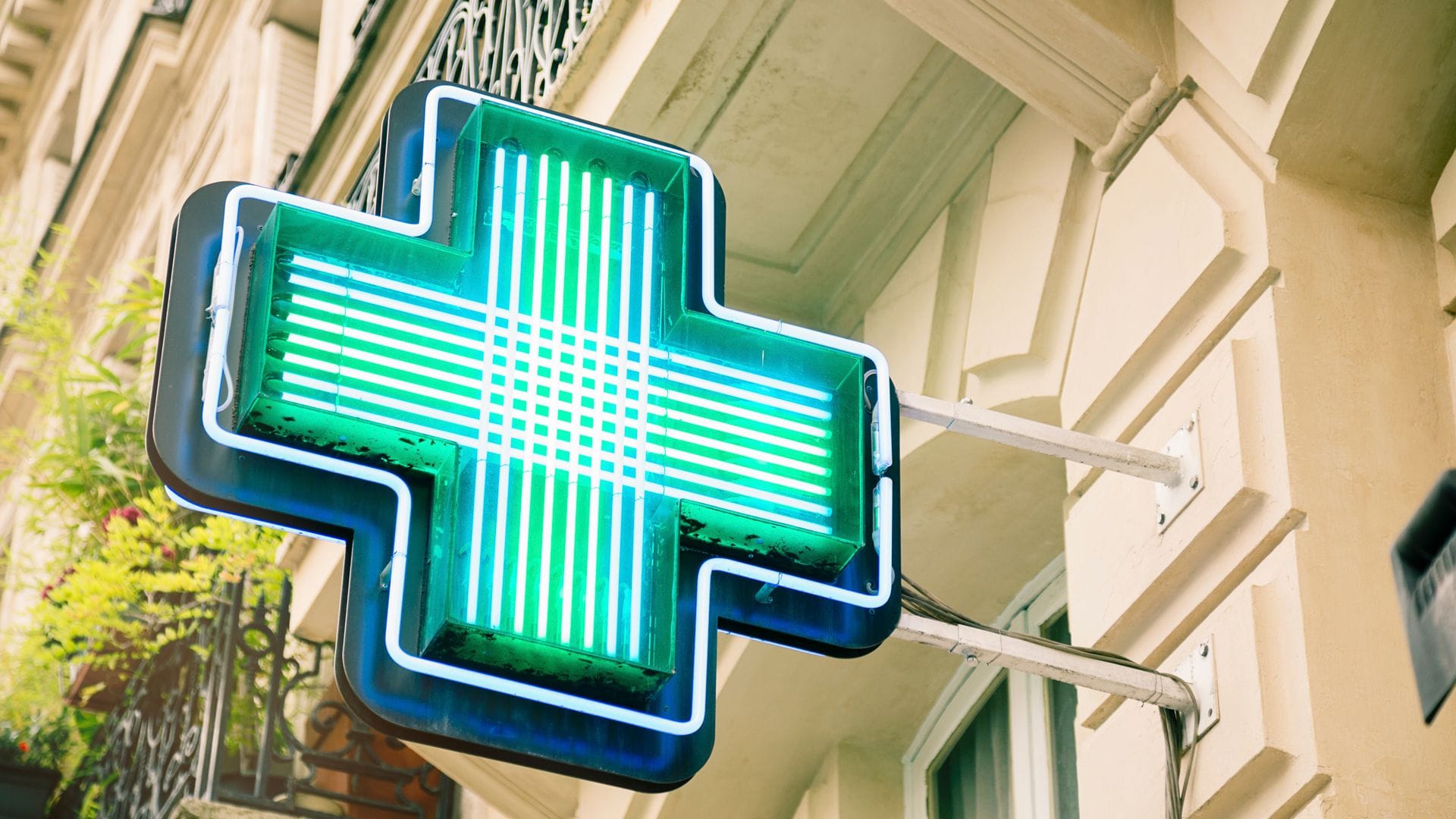
Pharmacies are marked with a green cross. An on-call system ensures at least one pharmacy stays open in each area: if yours is closed, the door shows the nearest on-duty pharmacies.
18. Do you need sun protection, even in winter?
Yes. The UV index can be high even under clouds or in winter, especially at altitude. Bring sun cream, sunglasses and a hat, and drink regularly when hiking.
19. Are the beaches supervised?
Many developed beaches have a lifeguard post, but not all, and wild coves are rarely supervised. Respect the flags: green for swimming with no apparent danger, yellow for caution, red for no swimming. Currents and waves can be strong on the north coast; our guide to beaches and coves details each spot.
20. Should you worry about theft and scams?
The island is generally safe, but petty theft exists, especially in cars parked near tourist sites. Don’t leave anything visible in your vehicle. Our page on safety and scams gives you the right reflexes.
Getting around
21. Do you need to rent a car?
It is the most flexible way to explore the island, but it isn’t essential if you stay in a well-served area. Compare the options in our guide to renting a car and the one on a stay without a car.
22. Can you drive with a French licence?
Yes, a European licence is valid in the Canary Islands. Traffic drives on the right, as in France. For mountain driving and local specifics, see our guide driving in Tenerife.
23. Do you need to plan anything to go up the Teide?
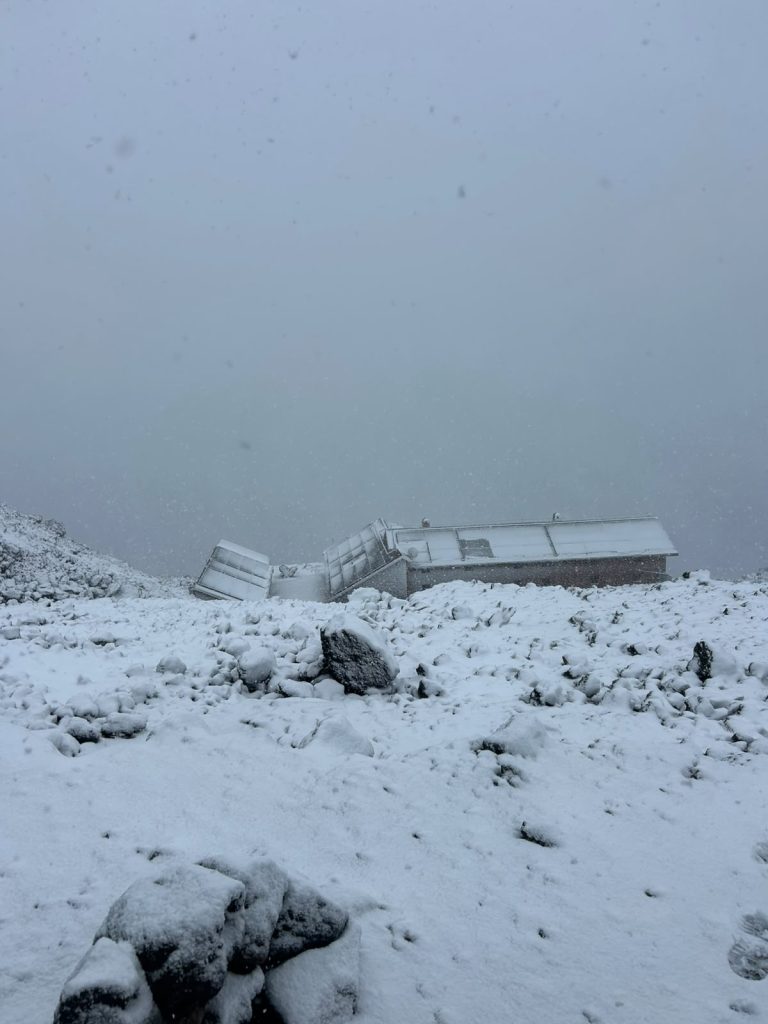
Yes: the summit is at 3,718 m and access to the last stretch requires a permit. The cable car goes up to 3,555 m without a permit. Check the weather, bring warm clothes even in summer, and read our guide to the summit permit and the one on the cable car. Booking rules change: also see the article on the new Teide hiking rules.
On the way back
24. What can you bring back to France?
The Canary Islands are a third territory for tax purposes: on your return to France, the same quantities and values as for a trip outside the European Union apply to your purchases. Above €430 of goods by air, VAT may be due, and above 200 cigarettes, 4 litres of still wine, 16 litres of beer or 1 litre of spirits over 22% (2 litres for drinks at 22% or less), VAT and excise duties too. For under-15s the limit is €150, and under-17s get no tobacco or alcohol allowance. Always check the current thresholds on the customs website; other countries have their own rules. For souvenirs, think of local products such as gofio and Tenerife wine.
25. Which mistakes should you avoid on a first trip?
Underestimating distances, not checking the mountain weather, and booking permits too late. Find the classic pitfalls in our article mistakes to avoid in Tenerife, and all the preparation in our guide preparing your stay.
Frequently asked questions
Do you need a visa for Tenerife?
Not for a tourist stay if you come from the EU: a valid identity card or passport is enough. Other nationalities should check entry conditions.
What time is it in Tenerife compared with France?
The Canary Islands are one hour behind France, all year round.
Is tap water safe to drink in Tenerife?
It is generally considered drinkable, but the taste doesn’t suit everyone and most locals drink bottled water.
Which emergency number should you call in Tenerife?
112, the European emergency number valid throughout Spain.
Which electrical sockets are used in Tenerife?
The same as in France, at 230 V. An adapter is only needed for travellers from Switzerland, the UK or North America.
Read also: the ES-Alert alert in Tenerife.