

ES-Alert in Tenerife: Volcanic Alert Test and What to Do
On Thursday 22 October 2026, phones in Tenerife received volcanic alert messages. It was a test: the Cabildo of Tenerife held an eruption simulation exercise, and the Canary Islands 112 emergency service took the opportunity to try out its mobile alert system, called ES-Alert. The first message arrived shortly after 9 am. Here is what happened and the right reflexes to keep if an alert like this ever goes off during your stay.
For other good habits while you are here, see also my tips on safety in Tenerife and the health and travel insurance page (in French).
Recommended for:
Practical infoSafetyThursday 22 OctoberTravellers on the island🎯 The essentials
- 📅 Thursday 22 October 2026, from 9 am to 2 pm (Tenerife time). The first message arrived shortly after 9 am, the second around 11 am for the simulated evacuation of Chirche and Aripe, and the end-of-exercise message around 2 pm (times reported by Canal 4 Tenerife).
- 📱 Three messages on phones across the island, with the word “SIMULACRO” (exercise), a sound and a vibration.
- ✅ There was no eruption and no evacuation order for the population: tap “Aceptar” and carry on with your day.
- 📵 Don’t reply to the message and don’t call 112 to ask what is going on.
- 🚗 If you are driving, pull over somewhere safe before reading the message.
What happened on 22 October?
The exercise was organised by the Cabildo of Tenerife, with an operations centre in Guía de Isora. The evacuation part concerned only two areas, Chirche and Aripe, in the municipalities of Guía de Isora and Santiago del Teide. The residents of these areas were the first to be involved. The announced programme included a preventive evacuation of these two villages, with situations played out by the rescue teams (for example a bedridden person missing from the lists or a resident who refuses to leave), a care home for older people, animals, and tourists staying in hotels in the area.
What the local press reported after the exercise: about 300 residents of Chirche and Aripe were evacuated to a temporary centre, extras playing the part of tourists from a hotel in the Abama area were taken to a safe zone in Adeje, and a care home in Santiago del Teide as well as Teide National Park took part in the simulation. The media I consulted report no incident and no injuries. The Cabildo announced a technical evaluation of the day, whose conclusions have not yet been published.
The rest of the island did not evacuate: you only saw the messages on your phone. The alerts can also appear in some areas of Gran Canaria, La Palma, La Gomera and El Hierro.
The three messages you might receive
- A message for the whole island: it announces a simulated move to the orange level of the volcanic “traffic light” of the Canary Islands volcanic risk plan (PEVOLCA). It is neither an eruption, nor an evacuation, nor a lockdown. It arrived shortly after 9 am and began with the word “SIMULACRO”, repeated three times.
- A simulated preventive evacuation message: it mainly targeted Guía de Isora and Santiago del Teide, for the Chirche and Aripe areas. According to the press, it was mostly sent to phones in Guía de Isora (some media also mention Santiago del Teide). Before the exercise, the authorities had said it could also reach Adeje, Los Silos, Buenavista del Norte and El Tanque.
- An end-of-exercise message: it announced the end of the exercise, at around 2 pm according to Canal 4 Tenerife.
Receiving the alert does not mean you are affected by the evacuation. The phone rings across a wide area, even if only two areas are involved in the exercise.
What should you do if you receive the alert?
- Read the message calmly: the word “SIMULACRO” means “exercise”.
- Tap “Aceptar” to close it.
- Don’t reply and don’t call 112.
- If you are driving, pull over somewhere safe before reading.
- Let your family and friends know, especially older people or those who don’t know this system, so they don’t worry.
The message is sent in Spanish and may be displayed in English if your phone is not set to Spanish. A phone that is switched off or in airplane mode receives nothing until it is back on the network.
Why a test, and should you be worried?
Tenerife is a volcanic island, and the authorities train to warn the population quickly. This exercise checks that the messages reach phones properly and that residents know what to do. It is a preparedness exercise: there is no eruption under way.
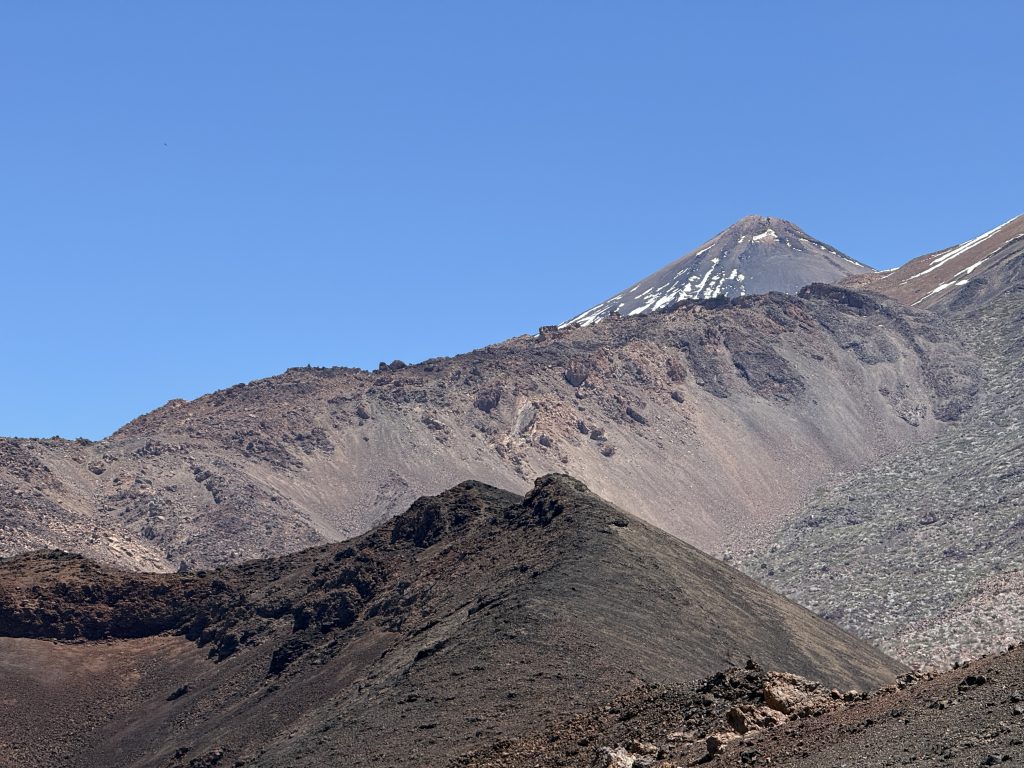
If you want to enjoy Teide with complete peace of mind, also read my Teide National Park guide for the rules and access.
And what if a real alert comes one day?
The ES-Alert system is also used to warn about other risks, such as a storm or extreme heat. A real alert does not contain the word “SIMULACRO”: follow the instructions written in the message. In a real emergency, the number to call is 112.
FAQ: volcanic alert and ES-Alert in Tenerife
Does the 22 October test concern tourists in Tenerife?
The messages are sent to phones within the coverage area, so a traveller on the island may receive them. There is nothing to do: it is an exercise, with no evacuation order for the population.
Should I call 112 if I receive the alert?
No. The authorities ask you not to call 112 and not to reply to the message. Simply tap “Aceptar” to close it.
What time will I receive the messages?
The three messages were scheduled for Thursday 22 October 2026 between 9 am and 2 pm (Tenerife time): the first arrived shortly after 9 am, the second was announced for around 11 am and the last for around 2 pm.
Will the message be in English?
It is sent in Spanish and may be displayed in English if your phone is not set to Spanish. Look for the word “SIMULACRO”, which means “exercise”.
What happens if my phone is switched off or in airplane mode?
You receive nothing until the phone is back on the network. So you may receive the message a little later.
Read also: practical questions about Tenerife, safety and scams.