


San Cristóbal de La Laguna in Tenerife: The UNESCO-Listed Colonial Town
San Cristóbal de La Laguna, often simply called La Laguna, is the former capital of Tenerife and one of the most history-rich towns in the Canary Islands. Its historic centre, a UNESCO World Heritage Site since 1999, served as a model for many colonial towns later built in the Americas.
Unlike the beaches and resorts of the south, La Laguna is visited for its architectural heritage, its pedestrian streets and its lively university-town atmosphere. It is an easy trip to combine with Santa Cruz de Tenerife, a few minutes away by tram, and a good contrast if you have spent several days on the coast.
🎯 Good to know
📍 Location: A few minutes from Santa Cruz de Tenerife, north of the island, altitude of about 550 m
🏛️ Status: Historic centre listed as a UNESCO World Heritage Site since 1999
🚊 Getting there: Tram from Santa Cruz (about 40 min), car via the TF-5, around 60 km from the south of the island
🅿️ Parking: Paid on the outskirts, the historic centre is entirely pedestrian
🚿 On site: Cathedral, museums, municipal market, plenty of bars and restaurants
ℹ️ Good to know: The climate is noticeably cooler and cloudier than by the sea, bring a light jacket even in summer
Why La Laguna is a UNESCO site
The historic centre of San Cristóbal de La Laguna has been a UNESCO World Heritage Site since 2 December 1999. It is the first Spanish colonial town built without fortifications, with a street layout that combines an “upper town” with more organic streets and a “lower town” laid out on a grid, an orthogonal plan that later served as a model for many colonial towns in the Americas. The protected area has more than 600 listed buildings, from the 16th to the 20th century.
A little history: the former capital of Tenerife
The town was founded between 1496 and 1497 by Alonso Fernández de Lugo, shortly after the Spanish conquest of the island. It was the first capital of Tenerife, then the de facto capital of the whole of the Canary Islands during the 16th and 17th centuries, before losing that status in 1723 to Santa Cruz de Tenerife, a decline accentuated in the 19th century with the growth of Santa Cruz’s port. Today, La Laguna remains the second-largest town on the island by population, just behind Santa Cruz.
The must-sees of the historic centre
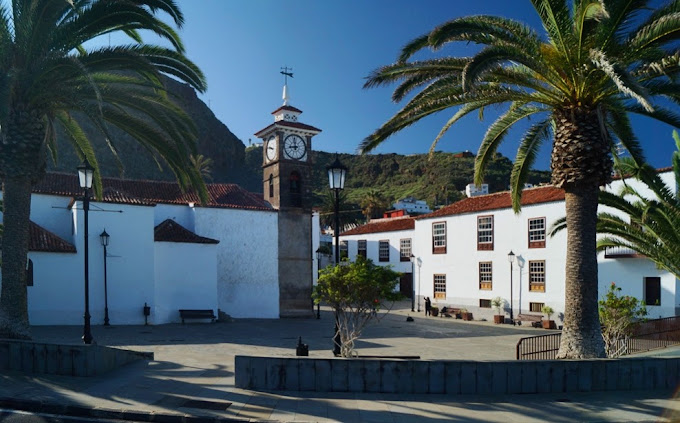
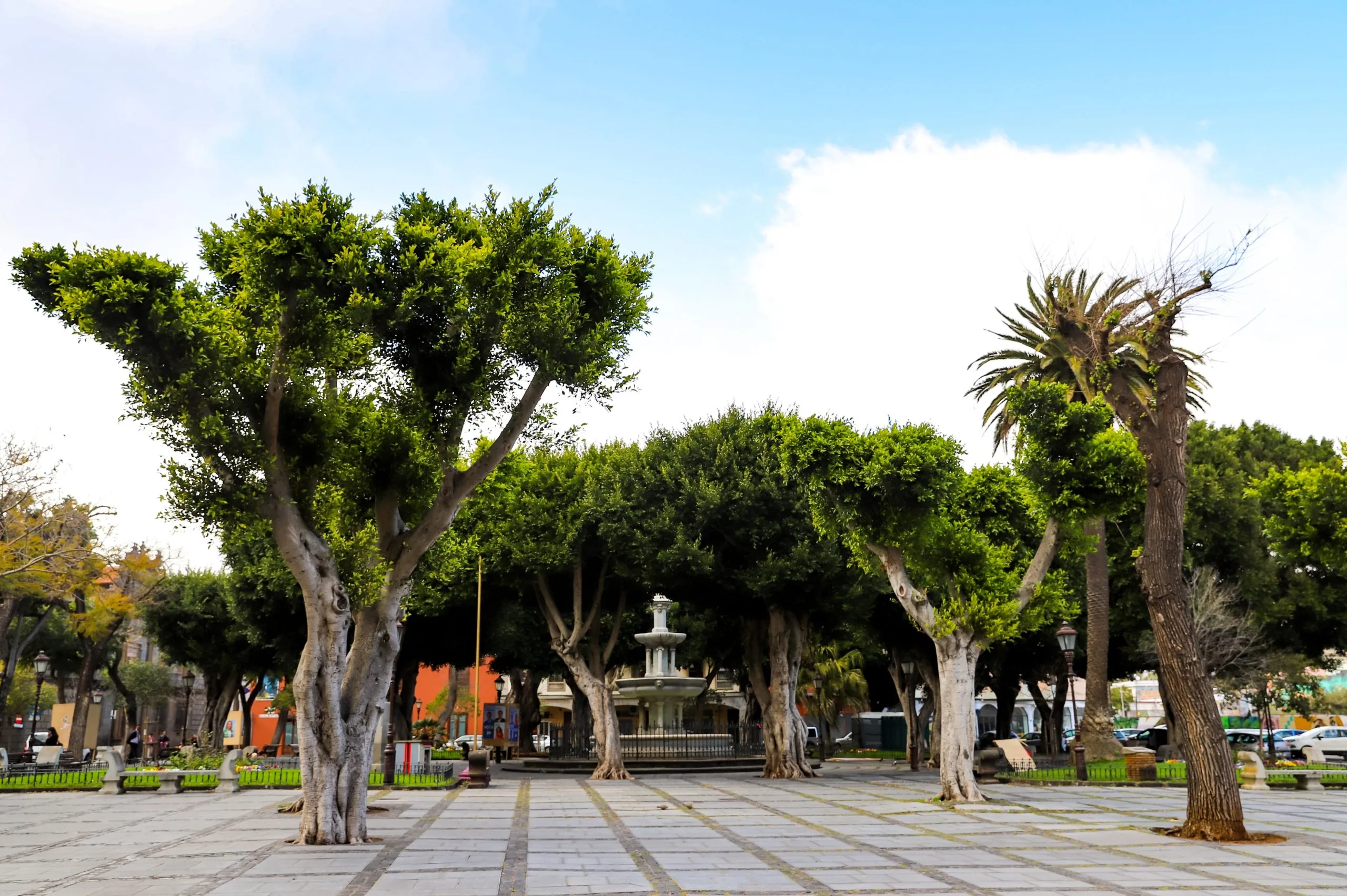
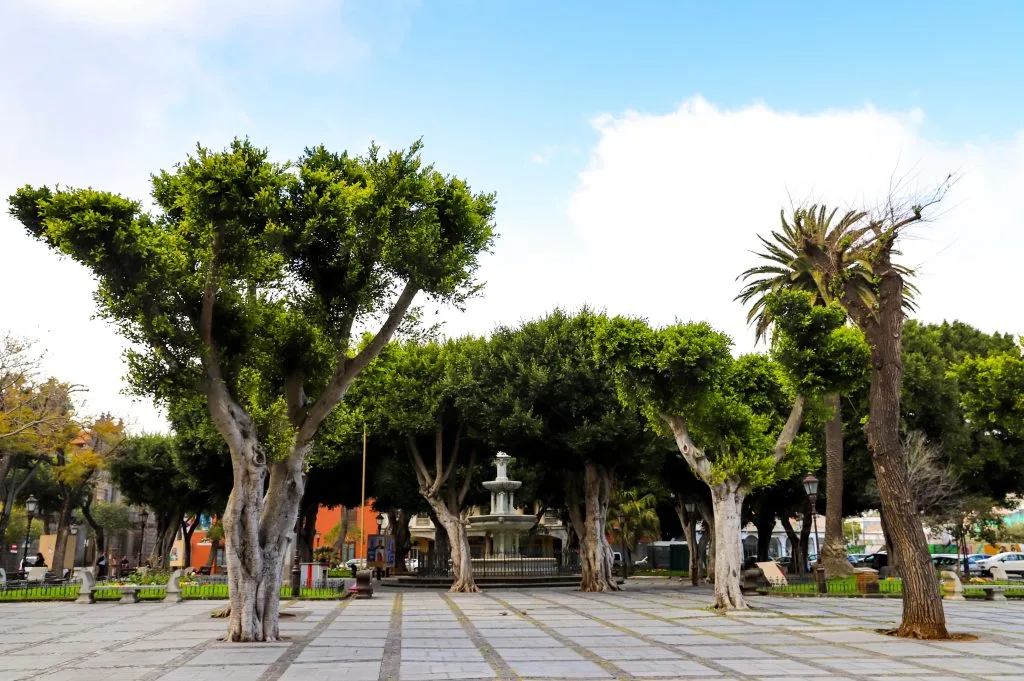
The Plaza del Adelantado, with its fountain and century-old trees, is the heart of the historic centre and a good starting point for your visit. La Laguna Cathedral, whose dome rises more than 40 metres, houses the largest collection of Byzantine icons in Spain. Right next door, the Church of the Concepción, the oldest parish in Tenerife, is recognisable by its Tuscan-style tower. Don’t miss the Casa Lercaro either, a 16th-century mansion that is now home to the Museum of History and Anthropology of Tenerife, as well as the Casa de los Capitanes Generales, with its red volcanic tuff façade.
A lively student town
La Laguna is home to the University of La Laguna, whose academic tradition goes back to the very beginning of the 18th century and which took its modern form in 1927: it is the oldest university in the Canary Islands. This gives the town a very different atmosphere from the tourist areas of the south, with plenty of bars and a student nightlife concentrated mainly in the Cuadrilátero district. If you are looking for a genuine guachinche, note that they are mostly found in the rural surroundings of La Laguna (Tegueste, La Esperanza) rather than in the historic centre itself.
Getting there
From Santa Cruz de Tenerife, the most practical way is the tram (tranvía), run by Metropolitano de Tenerife: line 1 links the two towns in about 40 minutes, with a tram every 5 to 10 minutes at peak times. From the south of the island (Costa Adeje, Los Cristianos), allow about 60 km and 45 to 60 minutes by road via the TF-1 motorway, depending on traffic. La Laguna is also very close to Tenerife North Airport, only about 3 km away.
A different climate from the coast
La Laguna’s altitude, around 550 metres, makes it noticeably cooler and cloudier than the tourist areas of the south. Winters are mild but cool (around 13-14°C on average), and even in summer, the weather can stay overcast while it is bright sunshine on the coast. Always bring a light jacket or sweater if you are going up to La Laguna, whatever the season.
How much time to allow and when to go
Allow at least 2 to 4 hours for a tour of the historic centre, but half a day or even a full day if you want to visit the museums and interiors without rushing. In practice, La Laguna can be visited all year round, as the climate is more stable than on the coast, but the summer months offer more sunshine. It is a trip very often combined with Santa Cruz de Tenerife on the same day.
Nearby
La Laguna combines naturally with a visit to Santa Cruz de Tenerife, a few minutes away by tram, and with Playa de las Teresitas, the golden sand beach closest to the capital. In February, both towns live to the rhythm of the Santa Cruz Carnival, easily reached from La Laguna by tram. To organise your travel around the island, our guide on getting around Tenerife will help you choose between car, bus and tram depending on your itinerary.
👉 Read also: Tacoronte, a wine-growing town a few minutes from La Laguna.
Still deciding where to base yourself? Compare the areas in our guide to where to stay in Tenerife.
How long does it take to visit La Laguna?
Allow at least 2 to 4 hours to discover the historic centre, but half a day or even a full day if you want to visit the museums and the interiors of the monuments without rushing.
How do you get to La Laguna from Santa Cruz?
The easiest way is the tram, with line 1 linking the two towns in about 40 minutes and running every 5 to 10 minutes at peak times. It is also possible by car or bus.
Why is La Laguna a UNESCO World Heritage Site?
Its historic centre has been listed since 1999 because it is the first Spanish colonial town built without fortifications, with a street layout that served as a model for many colonial towns in the Americas.
Is it cooler in La Laguna than on the coast?
Yes, noticeably: at around 550 metres altitude, La Laguna is cooler and cloudier than the tourist areas of the south. Bring a light jacket even in summer.
Read also: central Tenerife: how to find your way around.