

Scuba diving in Tenerife: the best dive sites for all levels
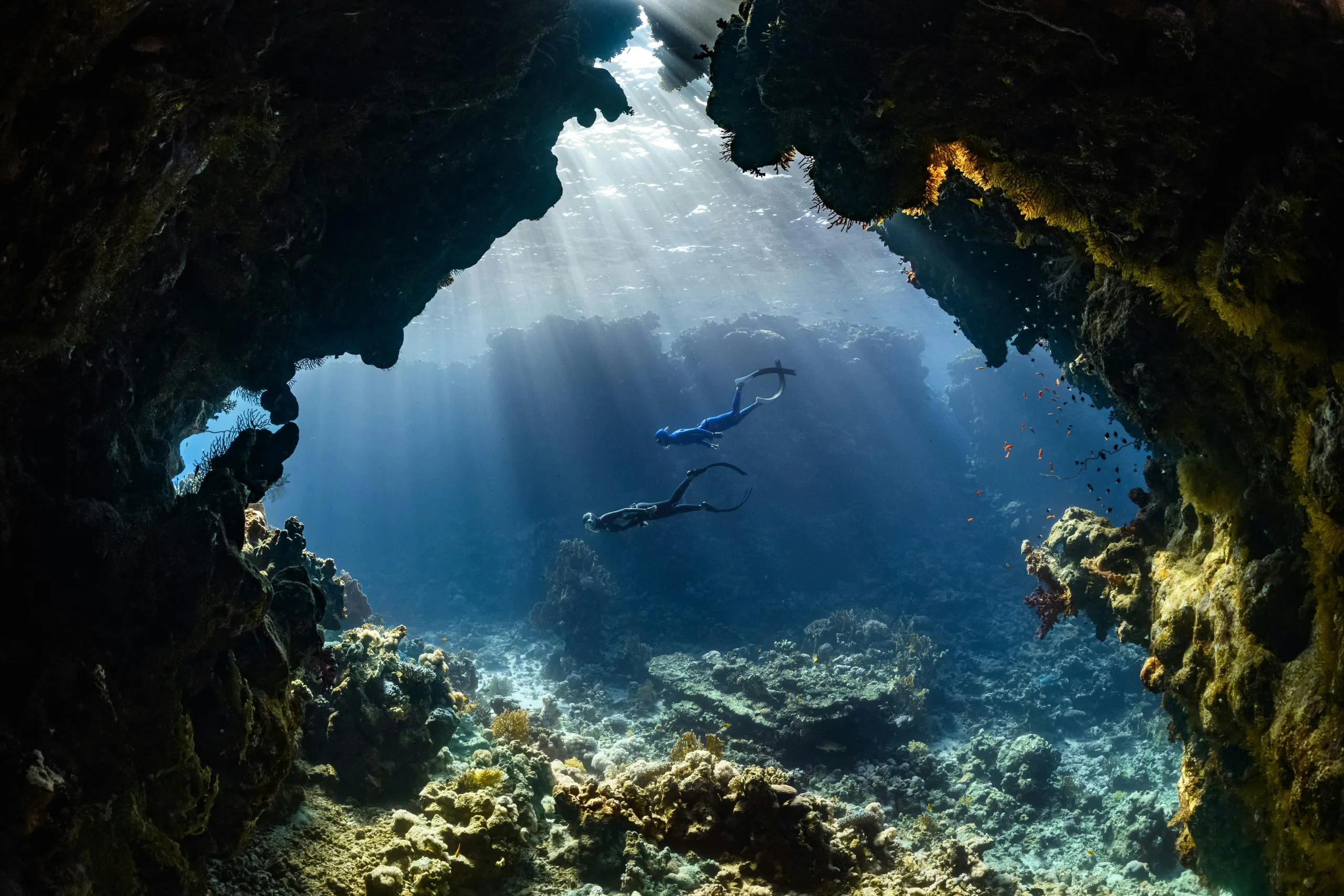
With water that never drops below 19°C and visibility that often exceeds 20 metres, Tenerife is one of the best diving spots in Europe, and it remains little known to many visitors. The island’s volcanic origin offers a special playground: caves, lava tunnels, underwater walls, and a handful of wrecks that attract beginners and experienced divers alike.
You don’t need to be certified to get started: most centres offer supervised introductory dives, with no prior experience. Here are the island’s best spots, from the beginner site a stone’s throw from the beach to the deep caves of Los Gigantes.
🎯 Key facts
📍 Areas: south (Los Gigantes, El Puertito, Las Galletas), east (Radazul, El Médano), north (Puerto de la Cruz, Garachico)
🌡️ Water temperature: from 19°C in winter to 24°C in summer
👁️ Visibility: up to 30 metres
🎓 Level: introductory dives accessible with no experience, more technical sites for certified divers
💶 Indicative prices: introductory dive €45-80, guided dive €30-50, PADI certification €350-450
Why dive in Tenerife
The island is volcanic, and you can see it underwater as much as on land. The seabed alternates between solidified lava flows, caves carved in black rock and walls that suddenly drop towards the open sea. Unlike many Mediterranean destinations, the water is divable all year round: between 19°C in winter and 24°C in summer, with visibility that regularly exceeds 20 metres, sometimes up to 30.
Marine life is rich and easy to spot, even on shallow dives: green turtles, moray eels, rays, schools of barracuda, and depending on the season rarer visitors such as mobula rays or giant squid.
Los Gigantes, the spot for experienced divers
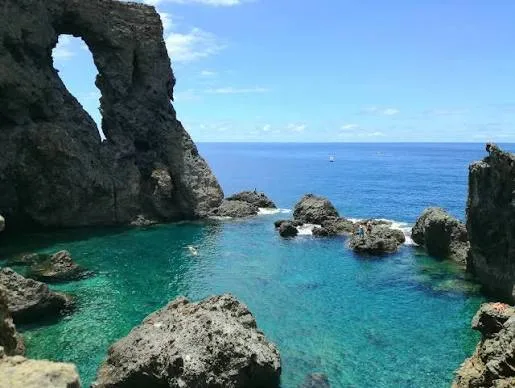
Beneath the cliffs of Los Gigantes, in the west of the island, lie underwater caves and lava tunnels that give the site its reputation among certified divers. There is also a wreck, the SS America, a cargo ship sunk in 1942, as well as the Cueva de los Camarones, the shrimp cave, home to blind shrimp adapted to total darkness. Depths range from 18 to 40 metres, sometimes with current, so it is best reserved for confident divers.
El Puertito and La Caleta, easy turtle watching
West of Costa Adeje, not far from La Caleta, the little cove of El Puertito is one of the best places on the island to see green turtles in shallow water, often at less than 10 metres. It is an ideal spot for an introductory or first dive, with calm water and easy access from the beach.
Radazul, a spot accessible all year
On the east coast, Radazul is known for being divable all year round and suitable for all levels, from introductory dives to more advanced diving. We have in fact already featured it on the site for snorkelling: the same calm, sheltered waters make it a good entry point for discovering diving in Tenerife.
El Bufadero, off Palm-Mar
Still on the south coast, El Bufadero is a submerged site off Palm-Mar, reachable only by boat from Los Cristianos or Las Galletas. The volcanic slope descends from 6-8 metres to a sandy bottom at 25 metres, with good chances of seeing turtles, rays and even sleeping angel sharks in winter.
Playa de las Teresitas, a beginner site north of Santa Cruz
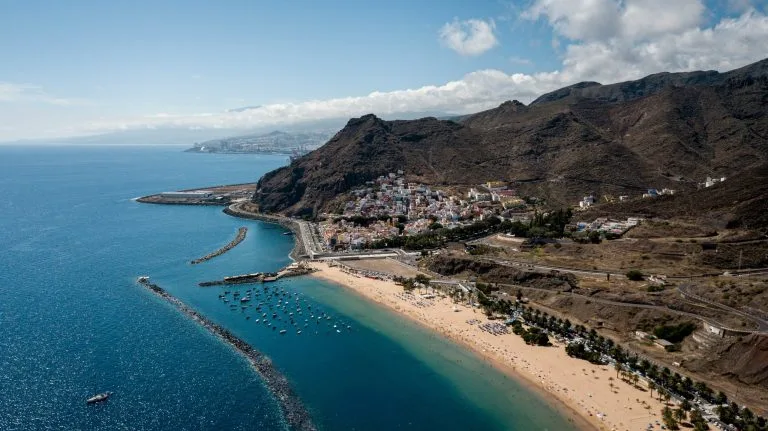
About ten minutes from Santa Cruz, the seabed at Teresitas slopes gently between 3 and 12 metres, with seagrass meadows sheltering green turtles, barracuda and parrotfish. A good compromise for combining a beach day and a first dive without going far from the capital.
Puerto de la Cruz and the north, more technical diving
The north of the island, around Puerto de la Cruz and Garachico, offers slightly more challenging conditions: rougher sea and cooler water, but also fewer divers and endemic species such as the vieja, a local parrotfish, easy to spot among the volcanic rocks.
What to see underwater: Tenerife’s marine life
Green turtles can be seen almost all year at several sites, notably Teresitas and El Puertito. In autumn, mobula rays pass off La Caleta. In spring, giant squid come up near El Médano. All year round, moray eels, groupers, sea bream and barracuda complete the picture, not to mention local curiosities such as the blind shrimp in the Los Gigantes caves.
How to organise your first dive
No certificate is needed for an introductory dive: the centres supervise the dive from start to finish, equipment included. Allow €45 to €80 for an introductory dive, €30 to €50 for a guided dive if you are already certified, and between €350 and €450 to take a PADI certification on site. It is best to book ahead in high season, and to bring your certification card if you already have one.
Do you need to know how to swim to dive in Tenerife?
Yes, a minimum of comfort in the water is needed, but no particular swimming level is required for a supervised introductory dive: the instructor stays with you from start to finish.
What is the best season for diving in Tenerife?
The island can be dived all year round thanks to water that never drops below 19°C. Winter often offers better visibility, summer warmer water.
Can you see turtles without diving deep?
Yes, it is even one of the island’s highlights: at El Puertito or Teresitas, green turtles are easily seen at less than 10 metres, accessible on an introductory dive.
How much does a dive cost in Tenerife?
Allow €45 to €80 for an introductory dive, €30 to €50 for a guided dive if you are already certified, and €350 to €450 for a full certification.