

Storm Bruna in Tenerife: Cabildo alert from 8 November, what closes
A weather alert has been announced for Tenerife for the weekend of 7 and 8 November 2026, with storm Bruna. The Cabildo, the island government, activates its emergency plan at alert level from 00:00 on Sunday 8 November. Trails, picnic areas, campsites and access to the Masca and Infierno ravines are closed. Here is what has been announced, what is forecast and what is still unknown.
In short: closed, banned, open?
What the Cabildo closes from Sunday
The measures apply to the whole island. According to the Cabildo announcement, this is what changes:
- tracks, paths and trails in protected natural areas are closed, and outdoor activities there are banned;
- recreation areas and campsites close;
- hunting is suspended;
- permits for canyoning, climbing, filming and sporting events are suspended;
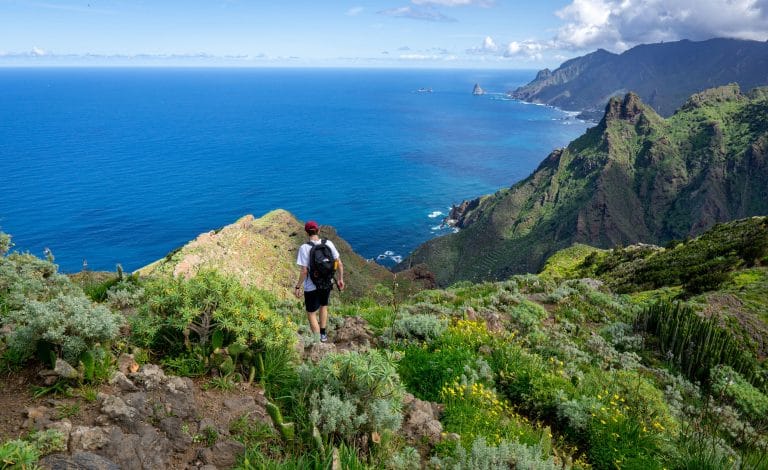
- access to the Masca ravine and the Infierno ravine is closed.
These restrictions stay in force until a new Cabildo resolution lifts them. No end date was set at the start. On Sunday 8 November in the afternoon, the Cabildo eased its emergency plan (announcement reported at 15:10): some cultural and sports facilities are reopening, but the ban on trails, tracks and paths in protected natural areas stays in force until a new resolution, according to elDiario.es. The Masca and Infierno ravines are not mentioned in the announcements we have read: treat them as closed until the Cabildo announces their reopening. Access to homes, farms and businesses open to the public is generally not prevented. To cross a closed track, you first need to check with the environment officers for the area.
The 31 municipalities decide for themselves what they suspend (parks, markets, outdoor events): no municipal closure is confirmed at this stage. In an emergency, call 112.
If you had planned the Masca hike, have a look at what to do when it rains instead. Our page on the Barranco de Masca explains how booking works, for once access reopens.
What the forecast says
AEMET, the Spanish weather agency, has issued an orange rain warning for Tenerife, with thresholds of up to 100 litres per square metre in 12 hours, mainly on the west and south slopes. An orange wind warning covers the north of the island, with maximum gusts forecast at 90 km/h. Yellow warnings for storms and wind cover the rest of the island.
These figures are warning thresholds, not totals announced for a specific place. Warnings can also be changed or extended, so the most reliable thing is to follow AEMET updates. Civil Protection talks about heavy or very heavy rain, persistent and accompanied by storms, first in the west of the Canary Islands on Saturday evening, then across the other islands on Sunday. A temporary improvement is forecast for Monday and Tuesday, before a general deterioration forecast from Tuesday evening, for Wednesday 11. Some media mention an even stronger front mid-week, to be confirmed. A strong swell is also expected from Monday on exposed coasts, with waves of 3 to 4 metres.
The expected timeline
Thunderstorms: AEMET has a yellow warning for the whole island on Sunday, from 00:00 to 18:00. The Canary Islands government has also declared a pre-alert for thunderstorms and a pre-alert for flood risk on all the islands from 21:00 on Saturday. Wind: government alert from 12:00 on Saturday in the summits, the north and the north-west, with gusts above 70 km/h, yellow AEMET warning in the north and the high ground on Saturday, orange in the north all day Sunday, with gusts that may exceed 90 km/h. Sea: alert for coastal phenomena on the north and west coasts of the archipelago from 18:00 on Saturday (Tenerife is not named), with a groundswell of 3 to 4 m from Monday (forecast). Tides (forecast): coefficient of about 84 on Sunday, high tide around midnight and around 12:15; the risk of overtopping on seafronts is highest in the 2 to 3 hours around high tide. According to AEMET, the orange rain warning runs from 00:00 to 18:00 on Sunday, and sources disagree on the areas: some name the north and the metropolitan area, others the west and south.
You may see headlines that seem to contradict each other between “alert”, “pre-alert” and “orange warning”. These are three different systems: AEMET’s colour-coded warnings, the Canary Islands government levels and the Cabildo emergency plan. They do not always trigger at the same time.
What is still unknown
As of this update (7 November 2026, checked in the morning), the Cabildo announcement does not name Teide, the cable car, the beaches or the roads. “Protected natural areas” are mentioned in general: Teide National Park is one, but the announcement does not name it. To be safe, treat its trails as closed. No road closure is mentioned. The end date of the restrictions is not known. There is also no official announcement on boat trips, ferries and flights. According to local press, wind and fog have already diverted or cancelled flights at Tenerife Norte in earlier episodes: the risk exists.
Not to be confused: on 1 November, another weather system had already left snow on Teide from 2,700 m, with access to the summit limited and several trails restricted. That is not Bruna. At the last announcement we read (4 November), the national park was still open. The cable car depends on the wind: check its status on the day before you go up. The details are on our page about Teide trails closed by snow.
If you are in Tenerife this weekend
These tips follow the general recommendations of the authorities during an alert. They do not replace official instructions on the spot.
- Postpone hikes, canyoning and trips into natural areas: they are banned during the alert.
- For a boat trip, a whale-watching outing or any booked activity, contact the operator directly: it may be cancelled or moved.
- If you drive, avoid mountain roads in the wind, and never cross a flooded road or a ravine bed. Our page on driving in Tenerife covers the basics.
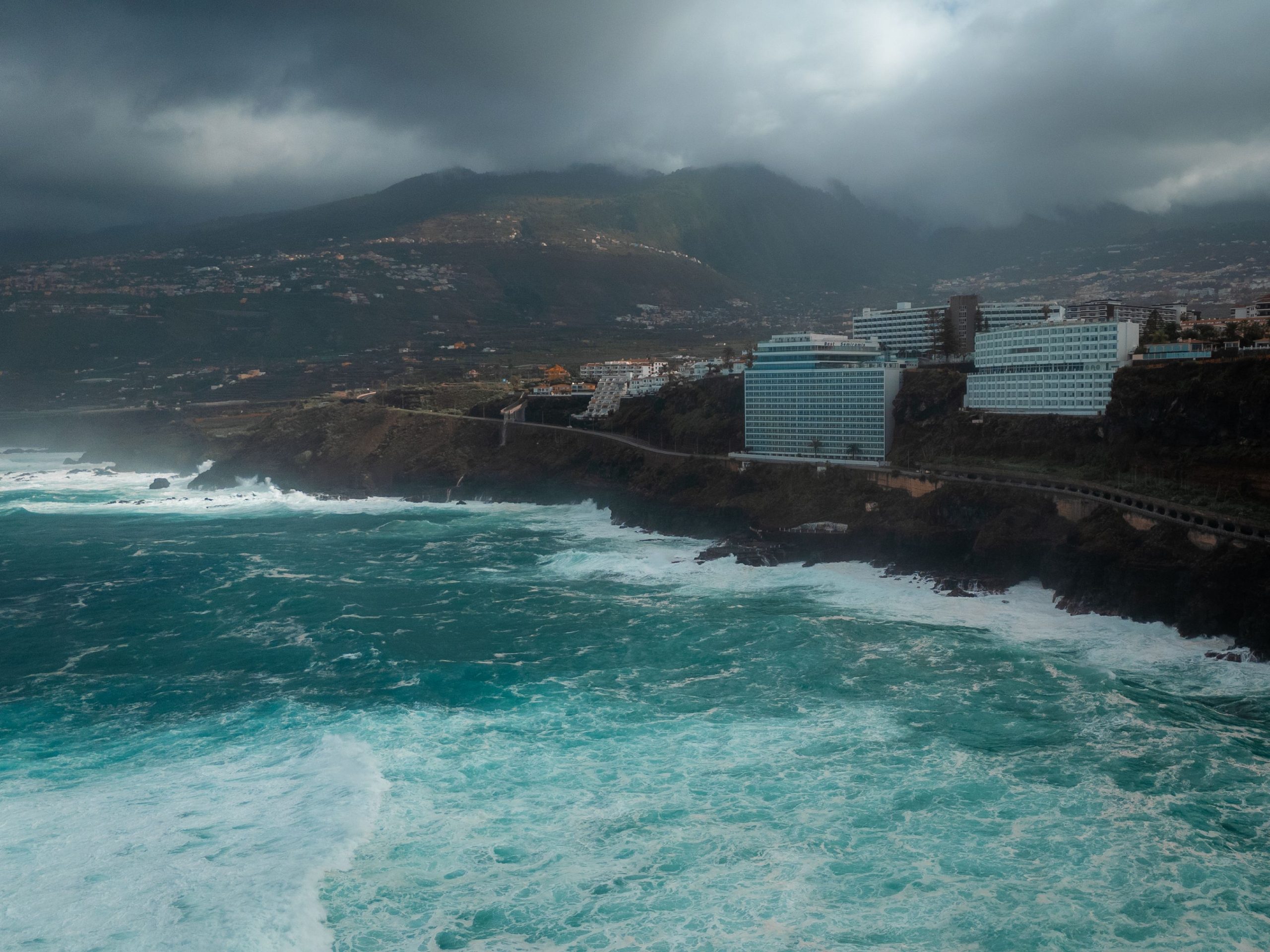
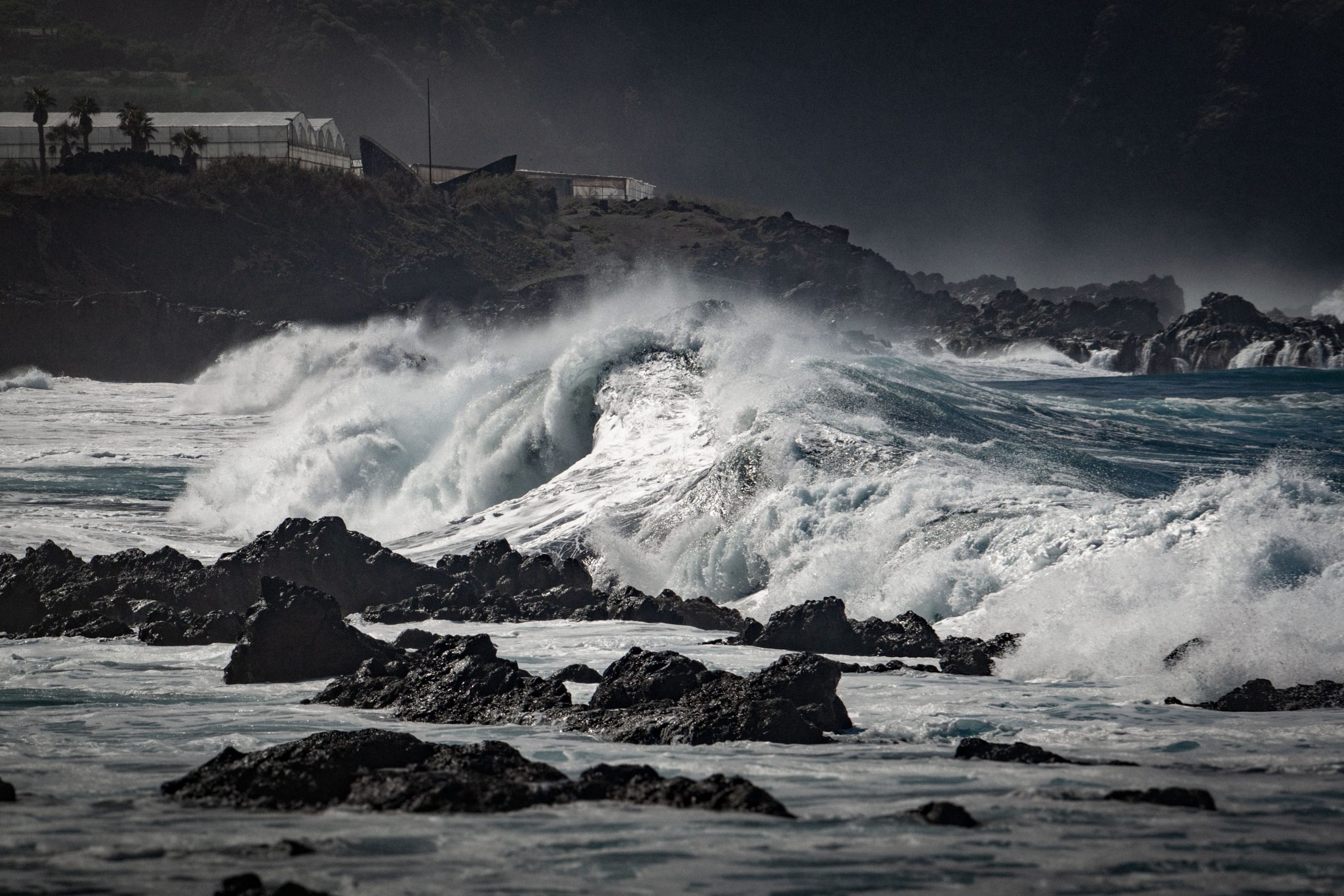
- Keep your distance from the exposed coastline when the swell rises, natural pools included.
- Charge your phone, keep ES-Alert notifications on and call 112 in an emergency.
- If you are flying this weekend, check your flight status with your airline.
How to follow the situation
This article will be updated when the Cabildo publishes anything new. In the meantime, these pages are useful if you are on the island:
- Live weather in Tenerife : sky and wind by municipality
- What to do in Tenerife when it rains : ideas for indoor days
- Teide trails closed by snow : where the trails stand
- Tenerife in November : usual weather and festivals of the month
- Driving in Tenerife : road basics for bad weather
- Safety and scams in Tenerife : the right reflexes
Frequently asked questions
When does the Cabildo alert start in Tenerife for storm Bruna?
From 00:00 on Sunday 8 November 2026, across the whole island. The restrictions stay in force until a new Cabildo resolution, with no end date announced.
Are Teide and the cable car closed because of Bruna?
The Cabildo announcement of 6 November 2026 does not name them. The national park is a protected natural area: to be safe, treat its trails as closed from Sunday 8 November. Check the situation on Teide before going up.
Can I hike Masca this weekend?
No. Access to the Masca ravine is closed from Sunday 8 November 2026, like the Infierno ravine, until the Cabildo decides otherwise.
What can I do in Tenerife during storm Bruna?
Pick indoor activities, avoid the exposed coastline and mountain roads in strong wind, and follow official instructions. Our rain and calima page has ideas.
Are flights affected by storm Bruna?
As of Sunday 8 November 2026 (late-day check), no flight cancellation in Tenerife had been reported in the sources we have read. According to Aena, as reported by local press, seven flights bound for La Palma were diverted, four of them to Tenerife South. Wind can disrupt Tenerife Norte airport, as in earlier episodes. Check your flight status with your airline.
Sources: Cabildo de Tenerife, AEMET and Civil Protection (statements of 6 November 2026), reported by Diario de Avisos (6 November 2026). News piece written on 6 November 2026. Update of 8 November: Canary Islands Government, Aena and 112 Canarias, reported by Canarias7, elDiario.es (Canarias Ahora) and Infobae (8 November 2026).