

Cycling on Teide: climbs, rules, guided descents and tips
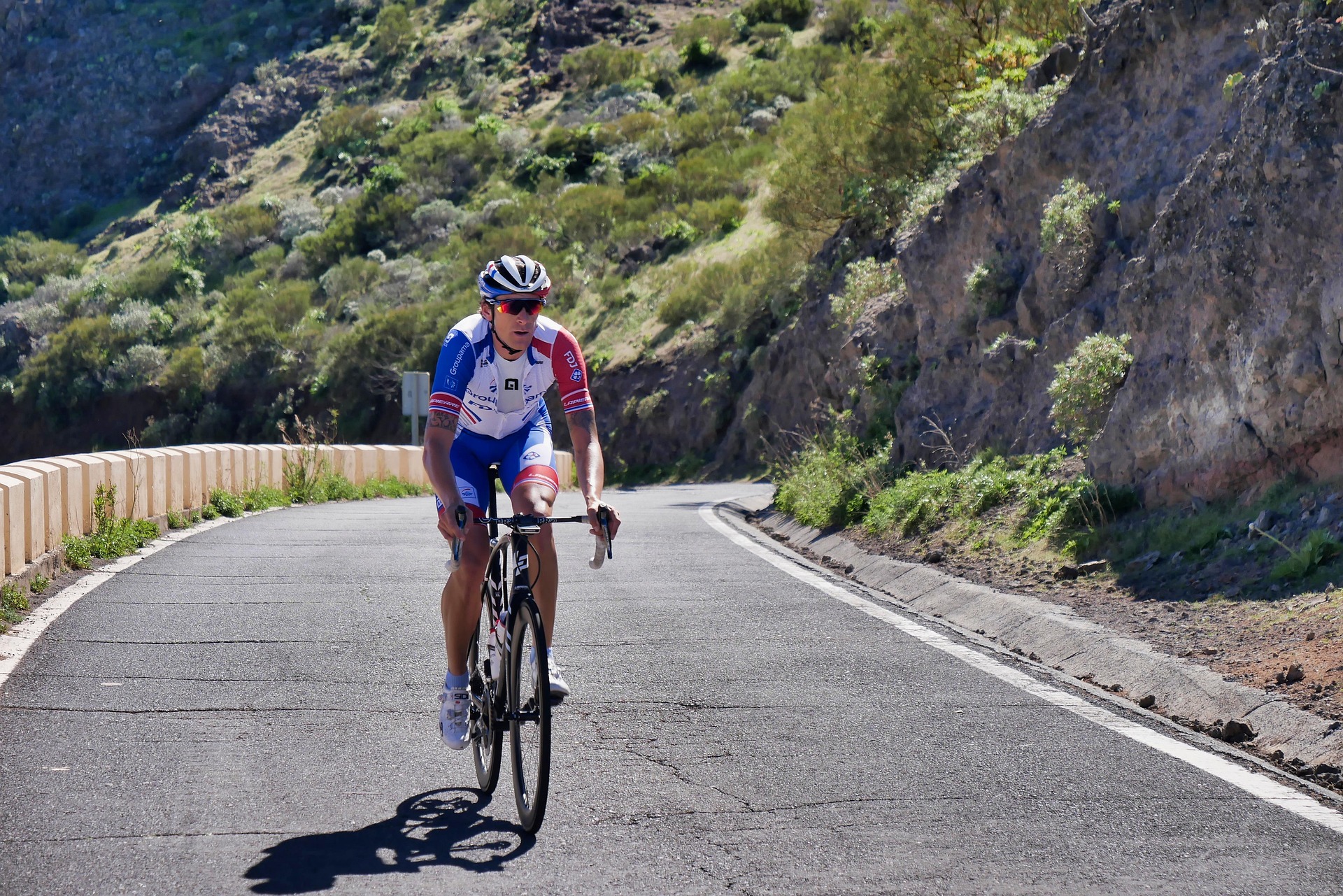
Teide is one of Europe’s great playgrounds for cyclists. Here are the main climbs with their figures, the rules to know (compulsory helmets, mountain biking in the national park), guided descents and bike hire, with the November 2026 prices.
🎯 The essentials
- 🚴 Climbs: 5 main paved roads, from 12 to over 50 km, up to about 2,350 m (the cable car base).
- 🪖 Helmet: compulsory for all cyclists on inter-urban roads since 1 October 2026, under Real Decreto 518/2026.
- 🚫 Mountain biking: off-road riding is banned in the National Park under the 2002 regulations, apart from rare guided rides on one track.
- 💰 Prices: guided van-assisted descent €65 to €110, guided e-bike ride from €119, road bike hire about €25 to €50 a day.
- 🌡️ Cold: at Izaña (2,369 m), the November average is 4.5 to 11.1 °C.
- 🧭 Not tested yet: I have not done these climbs by bike yet.
The main climbs
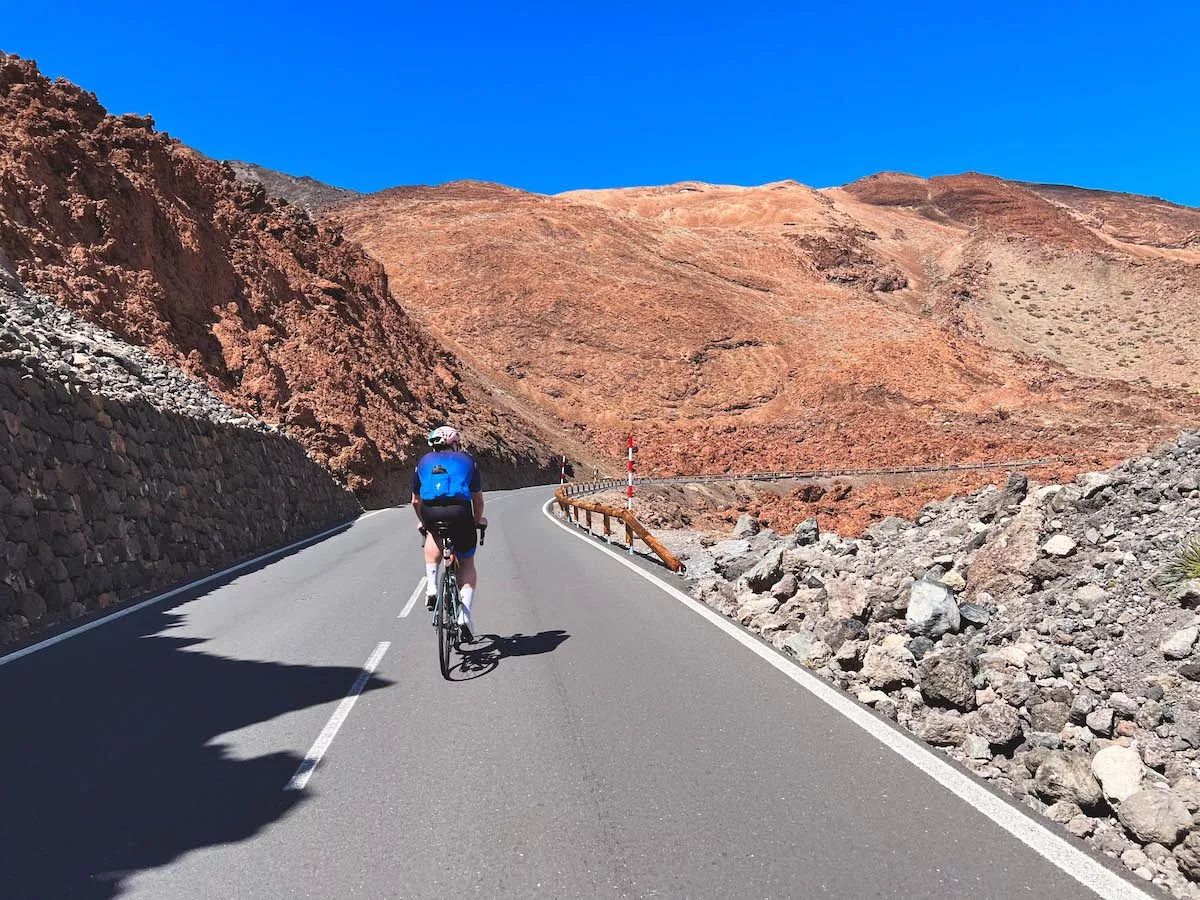
Distances vary with the starting point and the source. The average gradients, though, agree well. The top of the road is at about 2,350 m, at the cable car base.
These figures come from several cycling sites, with different starting points. Treat them as rough guides.
Rules to know
Since 1 October 2026, under Real Decreto 518/2026, a helmet is compulsory for all cyclists on inter-urban roads, without the old exceptions (such as long climbs). Drivers must also leave at least 1.5 m of side clearance when overtaking.
In Teide National Park, the 2002 regulations say cycling may be practised freely only on paved roads. Mountain biking on tracks and trails is therefore not allowed, apart from an exceptional guided ride on one track. A new management plan for the park has been in force since December 2025, but its exact rules on cycling are not clear, so check with the park before planning an off-road ride.
Outside the park, most of the island’s natural areas allow cycling on their forest tracks, but not on footpaths. Tracks may be closed in summer because of fire risk.
Weather, snow and wind
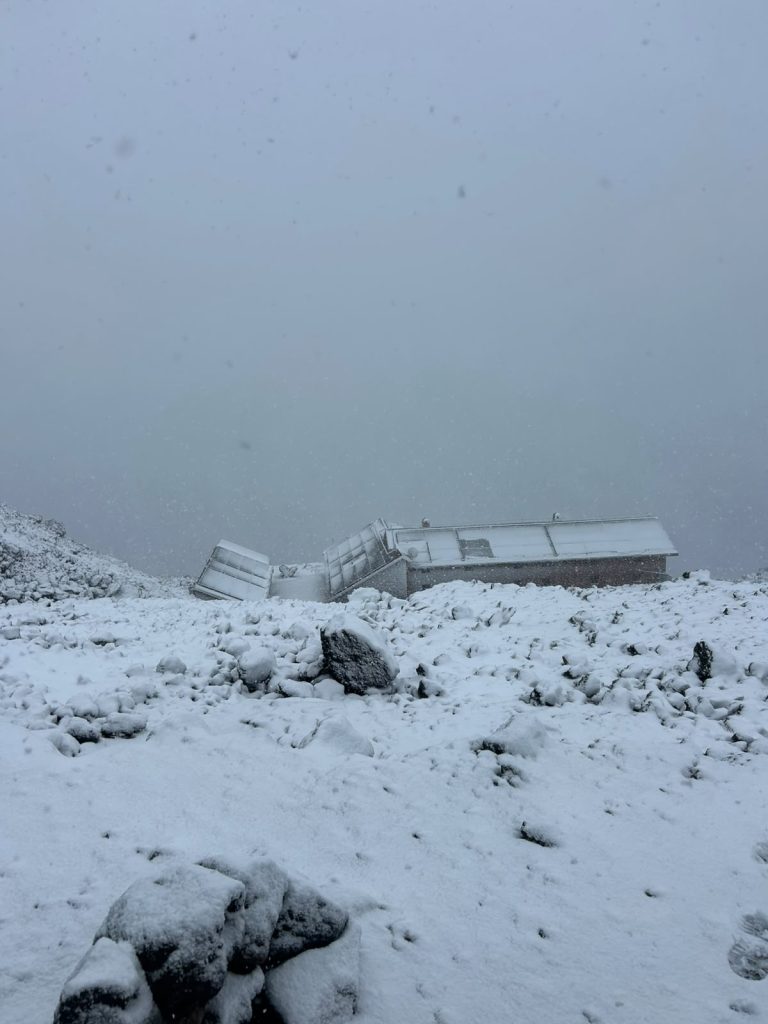
At Izaña (2,369 m), the average minimum and maximum temperatures are 1.1 and 7.5 °C in January, 5.8 and 14.5 °C in May, 14 and 23 °C in July and 4.5 and 11.1 °C in November (AEMET normals for 1981-2010). It is colder still higher up. The road can close for snow or ice: the TF-21 and TF-24 were, for example, closed on 3 March 2026 because of patches of ice. To understand when snow comes, read our guide to snow on Teide.
The wind can also be strong on the road, and the cable car often closes when it blows. See our page on wind in Tenerife and our guide to the Teide cable car.
Guided descents and e-bikes
Hiring a bike
For a road bike, allow about €25 to €50 a day with most shops, with a minimum of about €20 and up to €110 for a high-end bike for a single day. Gravel and mountain bikes cost about €22 to €35, and e-bikes €40 to €55 (November 2026 prices). One shop offers delivery for €20 within 5 km. For a transfer to the summit area with a simple hire, ask the shop.
Tips for climbing
Set off early (7 to 8 am): at weekends, traffic builds on the TF-21 after 11 am. Take a warm layer and gloves, and check your brakes before the descent, which can exceed 70 km/h. Carry water and food, as there are few places to resupply, and note that mobile coverage is limited above 1,800 m. Watch out for loose gravel after rain and for crosswinds.
According to a specialist site, the best periods are March to May and September to November. For more about the park, read our Teide National Park guide.
As for events, the Vuelta Ciclista Isla de Tenerife, organised by the Cabildo, held its 9th edition on 16 May 2026. It crosses the park for about 27 km, with temporary lane closures.
My view
🧭 Not tested yet
I have not yet done these climbs by bike. I will add to this page once I have tried them.
Frequently asked questions
Can you cycle up Teide?
Yes, on the paved roads, up to about 2,350 m (the cable car base). The summit at 3,718 m can only be reached on foot, with a permit.
Which climb is the easiest?
The climbs from Chío and La Orotava have the gentlest average gradients (4 to 5%) but are longer. The Vilaflor climb is the shortest but the steepest (6 to 7%).
Is a helmet compulsory?
Yes, since 1 October 2026 for all cyclists on inter-urban roads, under Real Decreto 518/2026.
Can you mountain bike in Teide National Park?
Not off-road: the 2002 regulations limit cycling to paved roads. Check with the park before a guided ride.
How much does a guided descent cost?
About €65 to €110 for a road descent with a transfer (up to €130 by e-bike), November 2026 prices.