

Hiking Gear for Tenerife: The Complete Checklist
Tenerife is not a single mountain, but several climate worlds within a handful of kilometres. Between the arid trails of the south, the damp forest of Anaga and the volcanic landscapes of Teide, the gear to take is never quite the same.
This is the most common mistake I see among visitors: setting off with the same bag for every hike on the island, when the weather and terrain can change radically from one area to another, sometimes within an hour’s drive.
In this guide, I explain the common basics to take everywhere, then what changes depending on the type of terrain: altitude and volcano, damp forest, or arid and coastal trails.
🎒 The essentials
🌡️ Up to a 15 to 20°C difference between the coast and the summit of Teide
👟 Real hiking shoes, not city trainers, as soon as the terrain becomes stony
💧 At least 1.5 to 2 L of water, more on arid and exposed trails
📵 No mobile signal at altitude and very patchy in the forest
🧥 A warm layer is always useful, even in midsummer
- Why the gear changes so much depending on the hike
- The common basics for any hike
- High-altitude and volcanic hikes: Teide
- Forest and damp-area hikes: Anaga
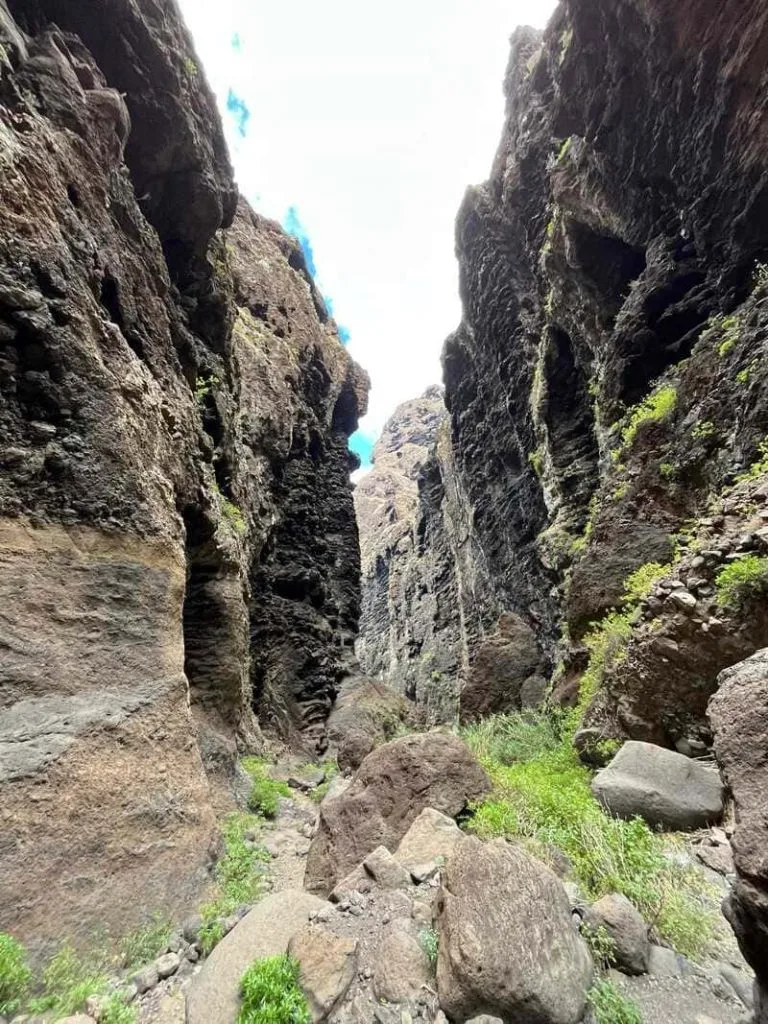
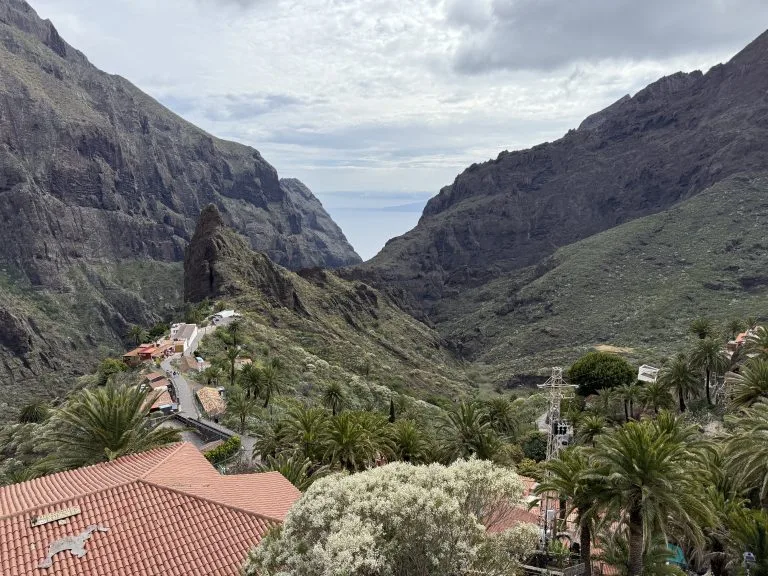
- Arid and coastal hikes: south, Masca, Teno
- Safety kit: what you should never forget
- Common mistakes to avoid
- My verdict
🤔 Why the gear changes so much depending on the hike
Tenerife is a volcanic island that peaks at 3,718 m barely thirty kilometres from the coast. This extreme variation in altitude, combined with the trade winds that push moisture against the north of the island, creates very marked microclimates: it can be hot and dry in the south while it rains in the Anaga forest, or freezes at the summit of Teide.
That is why a single generic checklist isn’t really enough. The basics stay the same everywhere, but some items become essential or completely useless depending on the area you are heading to.
🎒 The common basics for any hike
Whatever the trail, here is what I take every time:
- Hiking shoes: treaded sole, grip on volcanic or wet terrain
- Water: at least 1.5 to 2 L for half a day
- Sun protection: cap or hat, sunscreen, sunglasses (the Canarian sun is strong, even in winter or in hazy weather)
- Energy snack: dried fruit, bars, a sandwich depending on the length
- Charged phone with the route downloaded offline: the signal isn’t guaranteed everywhere
- Small first aid kit: plasters, antiseptic
- Suitable backpack: 20 to 30 L is enough for a day trip
🌋 High-altitude and volcanic hikes: Teide
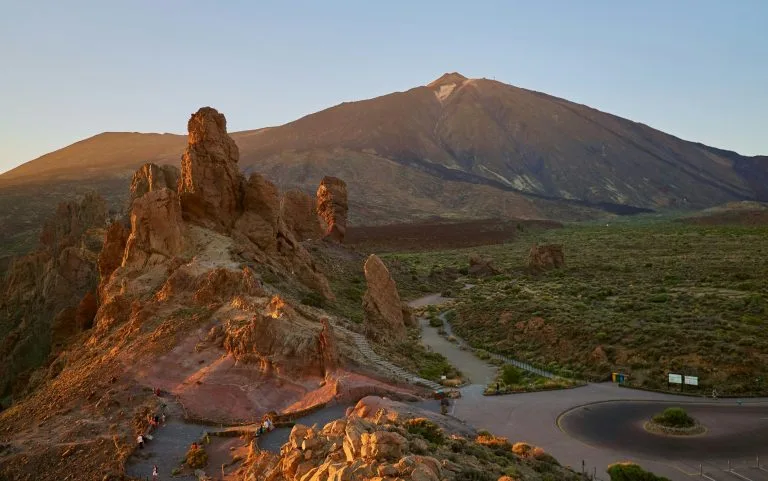
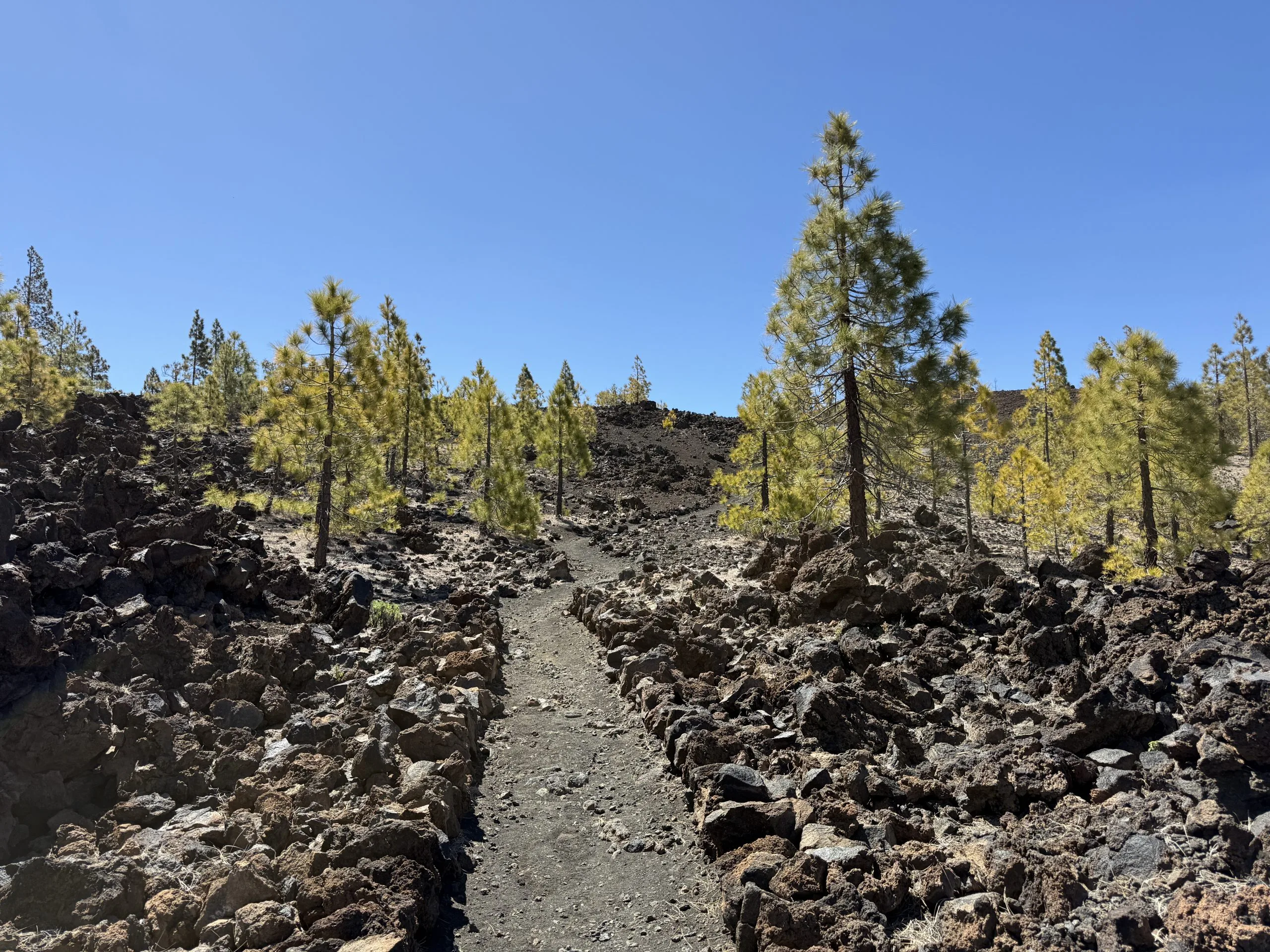
Teide is a world apart on the island. Even in midsummer, it can be below 5°C at the summit at sunrise, with a wind that makes it feel even colder. On the park trails that require a permit (PNT 07 and 09 upper sections, 10, 23 and 28), a list of gear is mandatory and can be checked: everything is detailed in my guide to mandatory hiking gear. To book, see the guide to Teide permits.
In short, plan several warm layers, a headlamp if you set off at night (for sunrise or sunset at the summit), walking poles for the unstable volcanic terrain, and good sun protection: altitude strengthens UV, even when it is cold.
Tenerife With Love tip:
Always check the Teide-specific weather (not the one for the area where you are staying): conditions at altitude can be completely different from those in the south of the island.
🌳 Forest and damp-area hikes: Anaga
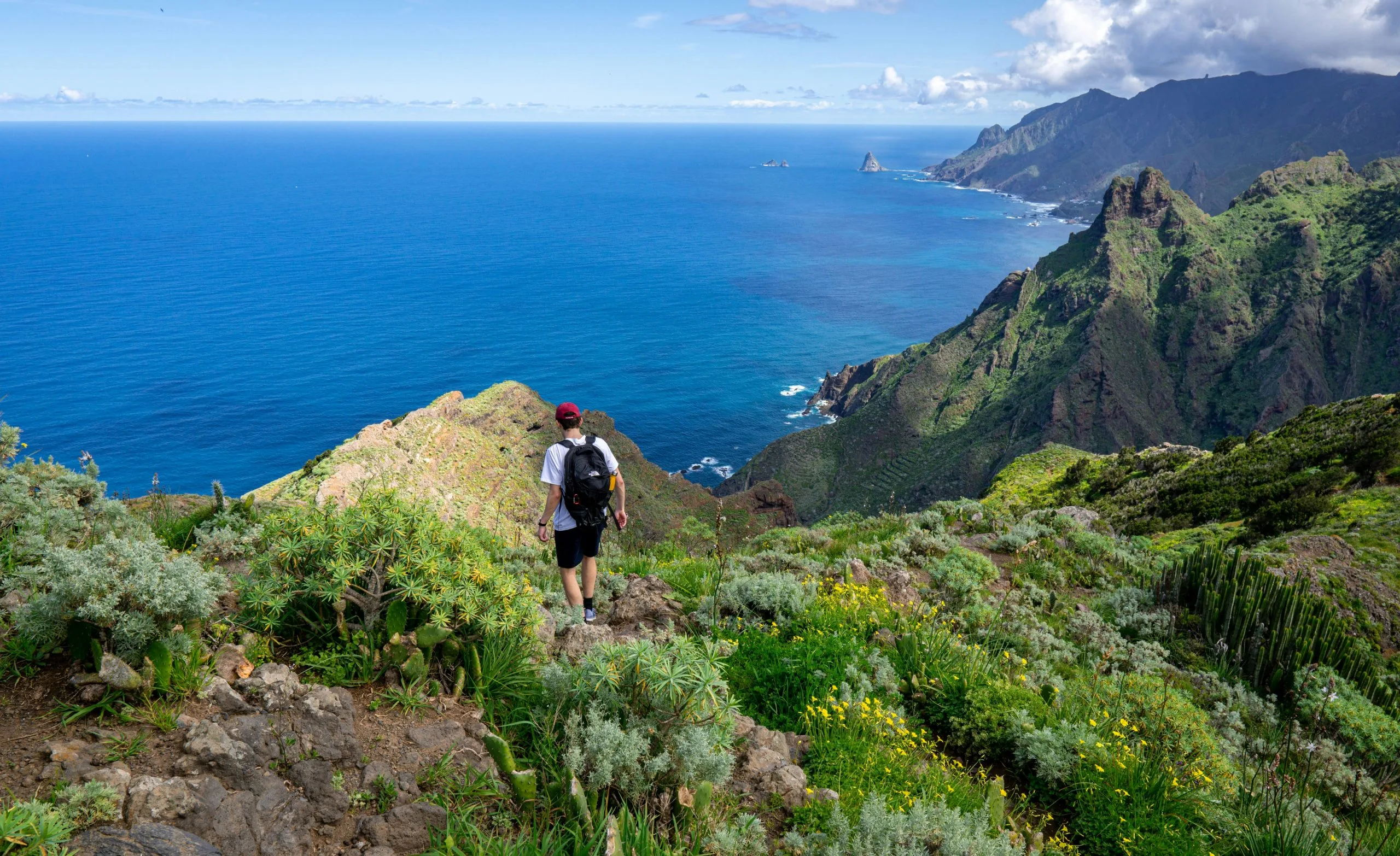
The Anaga massif, with its laurel forest, works the opposite way to Teide: here, it is humidity that dominates. The trails can become slippery and muddy after rain, even when the weather is fine elsewhere on the island.
Choose shoes with good grip, a small waterproof jacket or windbreaker (damp and mist can set in quickly), and walking poles for technical descents. The mobile signal is very patchy there: download your route before you set off.
🏜️ Arid and coastal hikes: south, Masca, Teno
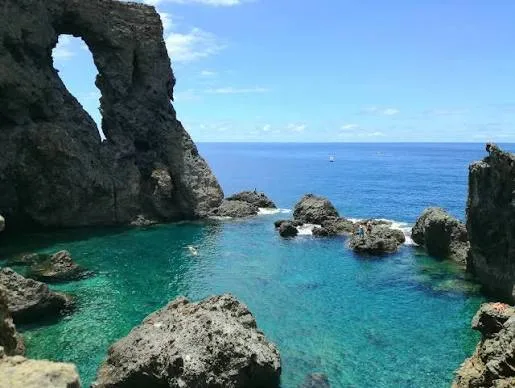
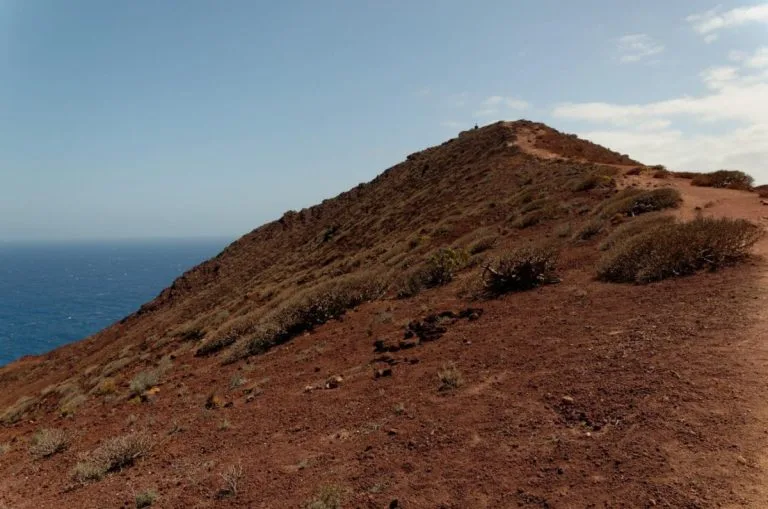
In contrast to the forest, the trails of the south and west (Masca, Samara, the coast) are dry, exposed and often have no shade at all for several hours.
Here, water makes the difference: take plenty, 2 to 3 L for a hike of several hours. Strong sun protection is essential (wide-brimmed hat, high-protection sunscreen), and it is better to set off early in the morning to avoid the afternoon heat.
🧯 Safety kit: what you should never forget
Beyond the gear specific to each terrain, a few safety items are worth taking on any somewhat committing hike:
- Emergency blanket: light, takes up no space
- Whistle: in case of a problem, to be spotted
- Headlamp with spare batteries: even for a hike planned in daylight, in case of delay
- Power bank: useful if you use your phone for navigation or photos
- Route downloaded offline: the signal isn’t guaranteed on the island
- 112 noted somewhere: the single emergency number in Spain
⚠️ Common mistakes to avoid
- Underestimating the cold at altitude: even in summer, plan a warm layer for Teide
- Setting off in city trainers: volcanic terrain is slippery and sharp as soon as you leave the easy trails
- Running short of water in the south: heat and exposure can dehydrate you quickly on arid trails
- Relying on the mobile signal: coverage is very patchy in the forest and absent at altitude
- Forgetting sun protection: the Canarian sun stays strong all year round, even in cloudy weather
❤️ My verdict
What I take away from my hikes on the island is that the right gear is never the same from one end of Tenerife to the other. The bag I take for a relaxed stroll on the coast has nothing to do with the one I take for Teide.
My advice: never rely on the day’s weather at your accommodation. Always check the forecast specific to the area where you are heading: a blue sky in Costa Adeje means nothing for what awaits you at altitude or in the north.
And if you were to keep only one thing from this article: invest in real hiking shoes. It is the gear that makes the biggest difference, on every type of terrain on the island.
Frequently asked questions about hiking gear in Tenerife
Do you need the same shoes for every hike in Tenerife?
No. On easy, well-marked trails, ordinary walking shoes are enough, but as soon as the terrain becomes volcanic, stony or slippery (Teide, Anaga, Masca), real hiking shoes with a treaded sole are essential.
How much water should you take for a hike in Tenerife?
Allow at least 1.5 to 2 L for half a day. On the arid, exposed trails of the south or west, or for climbing Teide, plan more like 2 to 3 L.
Do you need warm clothes even in summer in Tenerife?
Yes, especially at altitude. On Teide, it can be below 5°C at sunrise, even in midsummer, and the wind makes it feel even colder.
Does the mobile signal work on all the trails on the island?
No. Coverage is very patchy in the Anaga forest and generally absent at altitude on Teide. It is better to download your route offline before you set off.
What gear is mandatory for climbing Teide?
On the Teide National Park trails that require a permit (PNT 07 and 09 upper sections, 10, 23 and 28), Tenerife ON requires the same list: long trousers, fleece, trekking shoes, water, charged phone, headlamp with spare batteries and emergency blanket, plus a hat and gloves in winter. Staff can refuse access without this gear. All the details are in my guide to mandatory gear.
Do you need walking poles in Tenerife?
They are not compulsory, but they are really useful on slippery volcanic trails (Teide, Masca) and the steep descents of Anaga. For easy, well-marked walks, you can do without them.