
Wind in Tenerife: Trade Winds, Sheltered Areas and Warnings
Wind in Tenerife starts with the trade wind, a steady north-easterly that cools the north and leaves the south and south-west more sheltered. Here is where it blows, when the official warnings kick in and how to adapt your day (beach, Teide, hiking).
Recommended for:
BeachHikingTeideKitesurfingCar🎯 Key things to know
- 🌬️ Prevailing wind: the trade wind, which comes from the north-east. It is steadiest from May to October.
- 🏖️ Most sheltered areas: the south and south-west (Costa Adeje, Los Cristianos, Las Américas). Most exposed areas: the north and El Médano.
- ⚠️ AEMET gust warnings in Tenerife: yellow at 70 km/h, orange at 90 km/h, red at 130 km/h.
- 🚡 Teide: the cable car can close because of weather conditions, with no published threshold. Always have a plan B.
- 🧥 Even in the sun, take a windproof jacket as soon as you go up in altitude.
Where does the wind in Tenerife come from?
The prevailing wind on the island is the trade wind, which blows from the north-east. It is steadiest from May to October and often strengthens in the afternoon. It cools the north, pushes clouds against the northern slopes (the famous sea of clouds) and leaves the south drier and sunnier.
Wind is not just a summer thing. In winter and spring, stronger episodes come through from time to time: in February 2026, for example, an orange warning forecast gusts of up to 90 km/h, with more than 100 km/h locally in high areas, and at the end of March 2026 gusts of over 80 km/h were forecast in exposed areas (local press). These are occasional episodes, not everyday weather.
Where it blows the most, where it is sheltered
The relief of Teide and the direction of the trade wind create big differences between two coasts only a few dozen kilometres apart.
| Area | Wind exposure | Good to know |
|---|---|---|
| South and south-west | The most sheltered | Costa Adeje, Los Cristianos and Playa de las Américas most often enjoy calm days. Compare the two resorts in Costa Adeje or Playa de las Américas. |
| Sheltered beaches in the south | Cliffs or breakwaters that cut the wind | Playa del Duque, Playa de las Vistas (Los Cristianos), Playa de Troya (Las Américas) and Playa de la Arena (Santiago del Teide) are often mentioned for their calm. |
| North | Exposed to the trade wind | Few truly sheltered beaches. Las Teresitas is partly protected by the Anaga massif, but not on days of strong trade wind. |
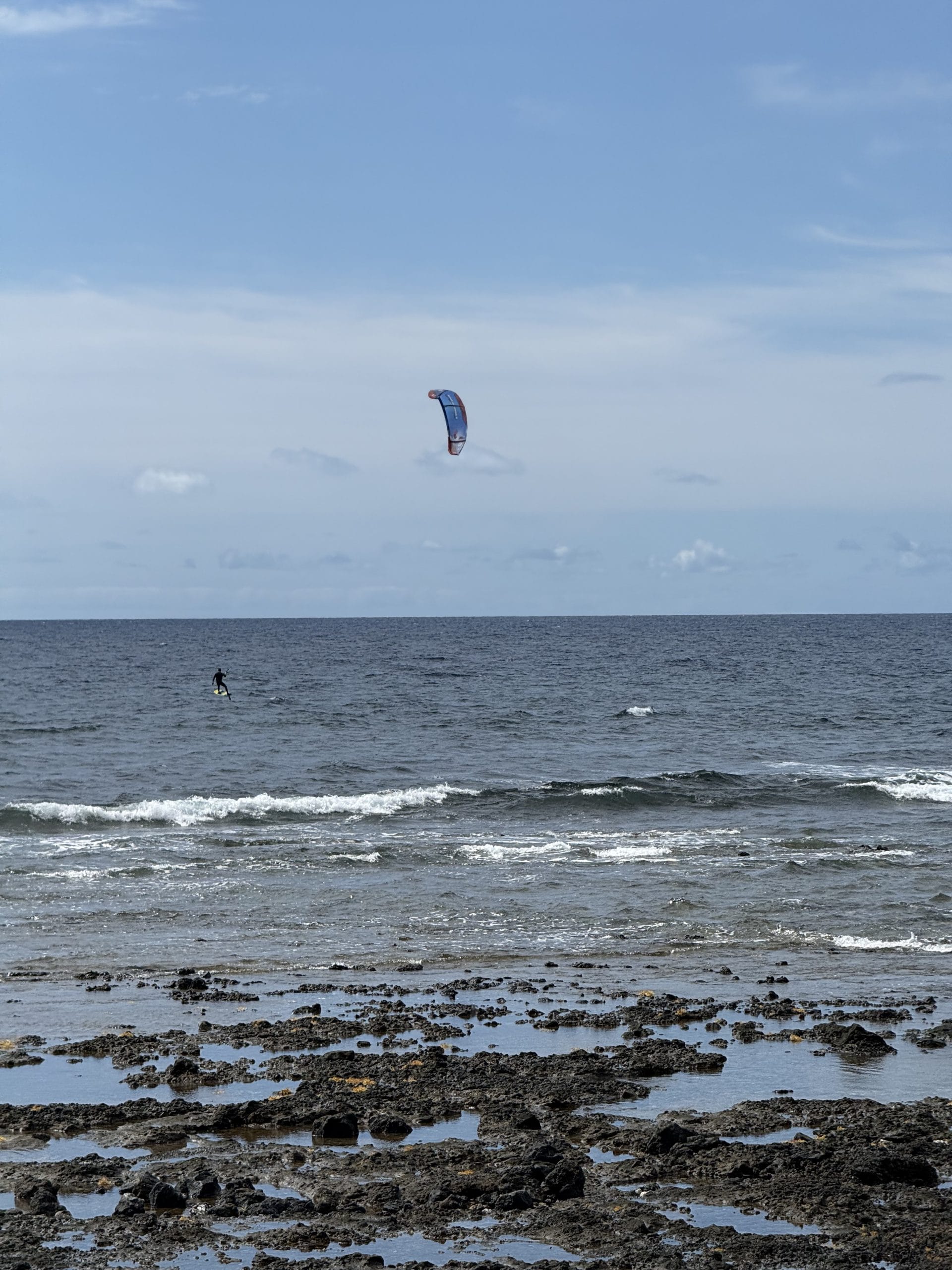
| El Médano (south-east) | Known for wind | A very well-known kitesurfing and windsurfing spot. Everything is in my guide to El Médano. |
| High ground and Teide roads | Stronger gusts | The higher you go, the more you feel the wind, especially on ridges and on the roads up to Teide. |
To compare all the beaches, see my guide to beaches and coves. And if you are unsure where to base yourself, the where to stay guide helps you choose the area.
AEMET warnings: when should you be careful?
AEMET, the Spanish weather agency, classes wind warnings in three colours according to maximum gusts. For Tenerife, the Meteoalerta plan (2022 version) sets the same thresholds across the island’s three zones: Norte, Área Metropolitana, and Este, sur y oeste.
| Level | Maximum gusts | What it means |
|---|---|---|
| Yellow | 70 km/h | Wind to watch: be careful on ridges, breakwaters and exposed beaches. |
| Orange | 90 km/h | Dangerous wind: avoid summit trails, breakwaters and activities at sea. |
| Red | 130 km/h | Extreme danger: follow the authorities’ instructions. |
These thresholds come from the official AEMET document and may be updated: always check the day’s warning on the AEMET warnings page for the Canary Islands. On my site, the live weather page also shows current warnings.
Not to be confused with: the Canary Islands Government can declare its own alert levels (“prealerta”, “alerta”), often for wind, swell or calima. They complement AEMET’s colours.
Teide, cable car and mountain roads
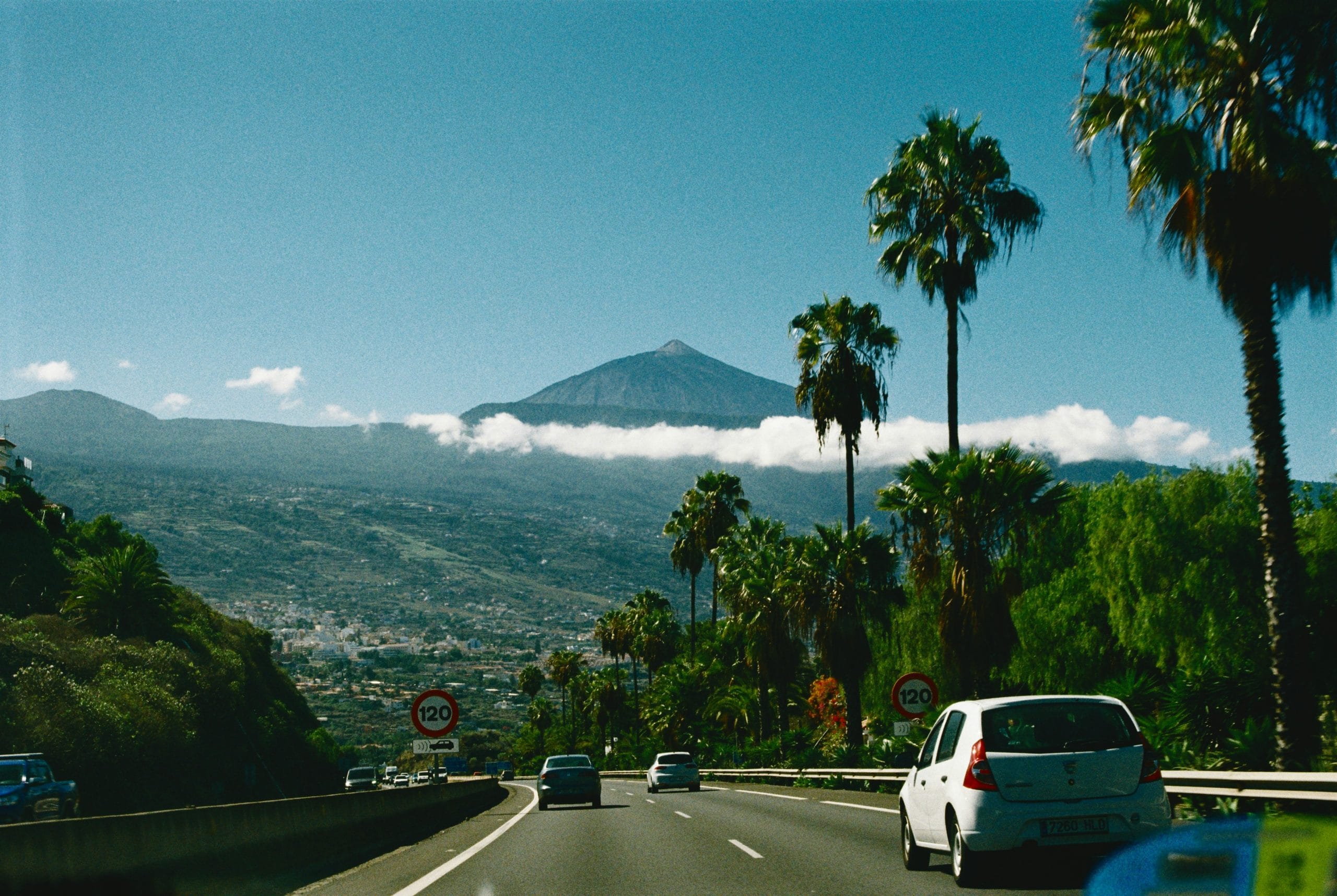
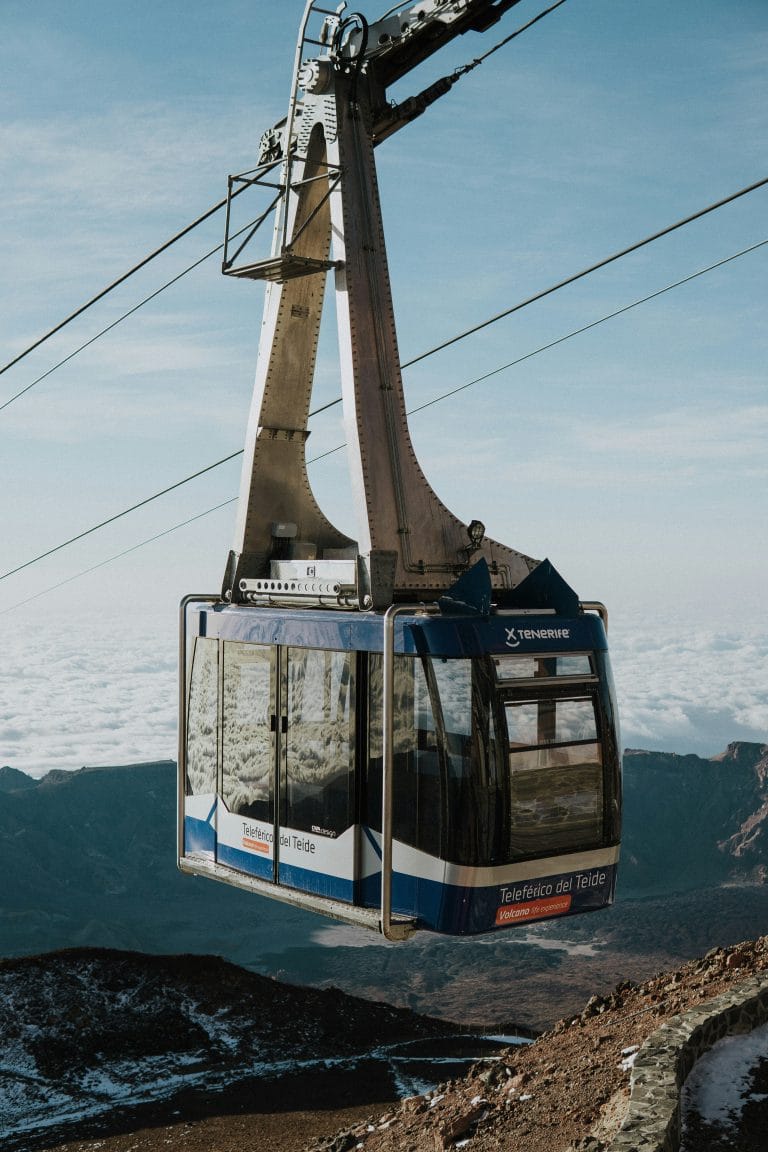
Up there, the wind can be much stronger than on the coast, even when it is fine below. The Teide cable car can close for “adverse weather conditions”, and the operator does not publish a wind threshold in km/h. The cable car has stayed closed for a whole day because of wind (April 2023). So check the status on the day before you set off and be ready to walk back down if the wind blocks the descent.
In case of snow or ice, the Cabildo can also close some road access to Teide: everything is explained in the article on snow on Teide. For the hiking and permit rules, read the new Teide rules and the national park guide.
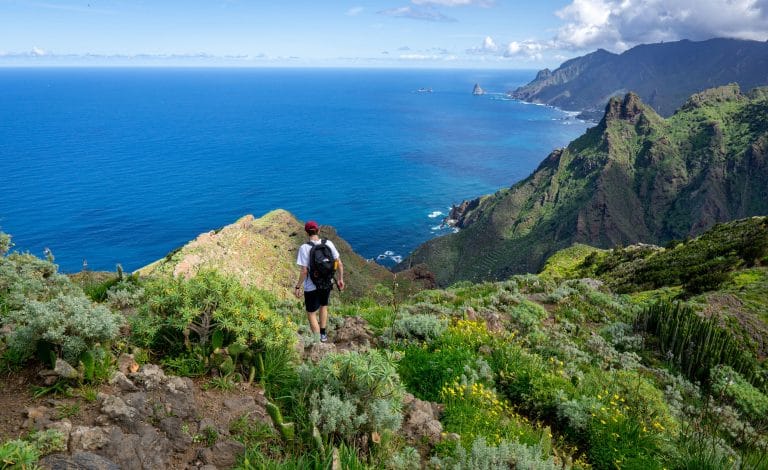
On orange alert days, avoid ridge and summit trails: the simplest option is to choose a forest or low-altitude hike (see my hikes, in French).
Beaches and swimming on windy days
Wind often comes with swell, especially on the north coast, where the sea can be very rough during wind episodes: respect the beach flags and avoid breakwaters and exposed beaches during a warning. Sand flies and towels blow away: a few clothes pegs and a waterproof bag for your phone save a lot of trouble.
Watch out for the sun too: the breeze masks the heat and sunburn happens easily on windy days. Wear sunscreen even if you don’t feel hot.
Calima and wind: two different phenomena
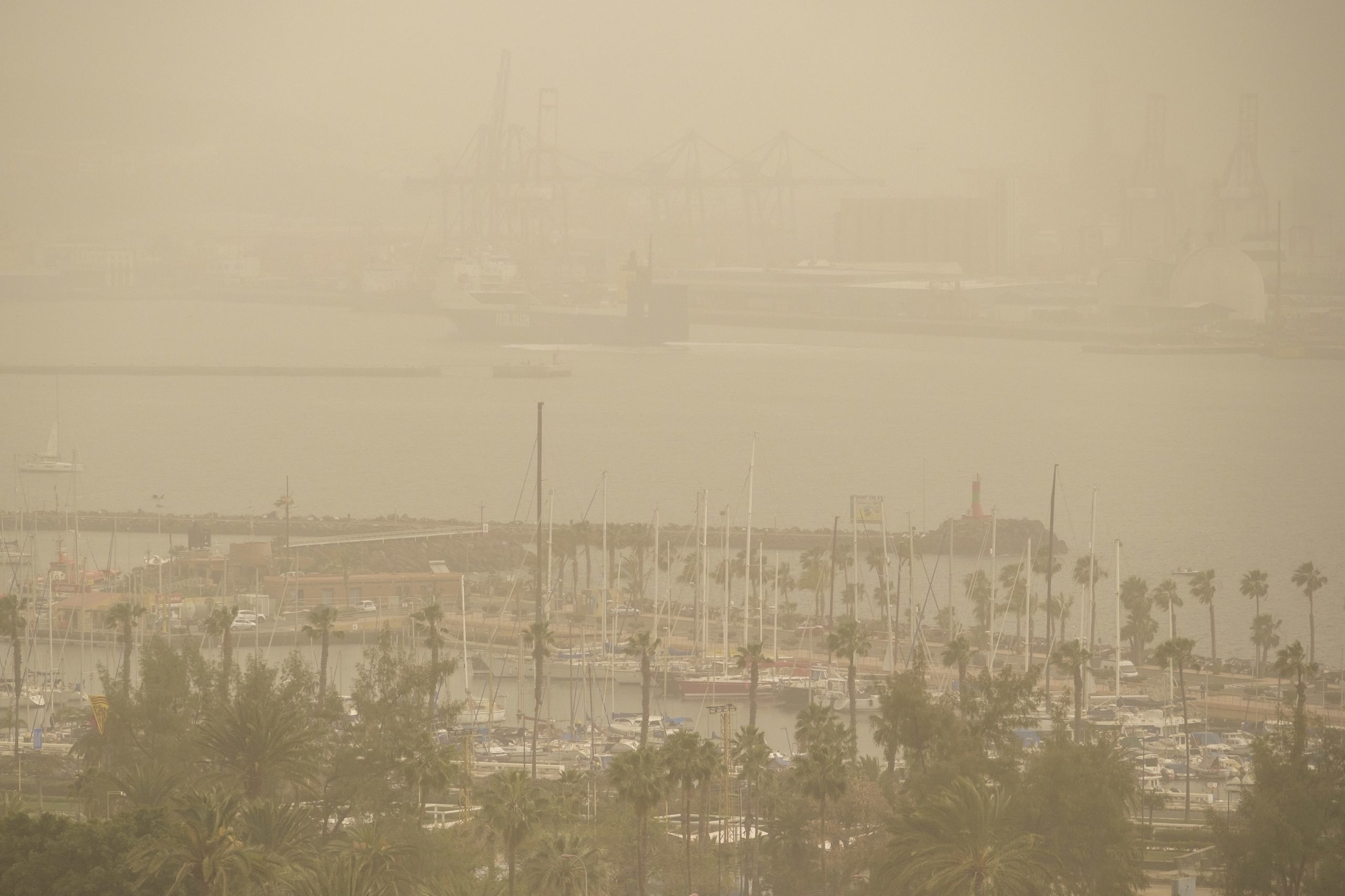
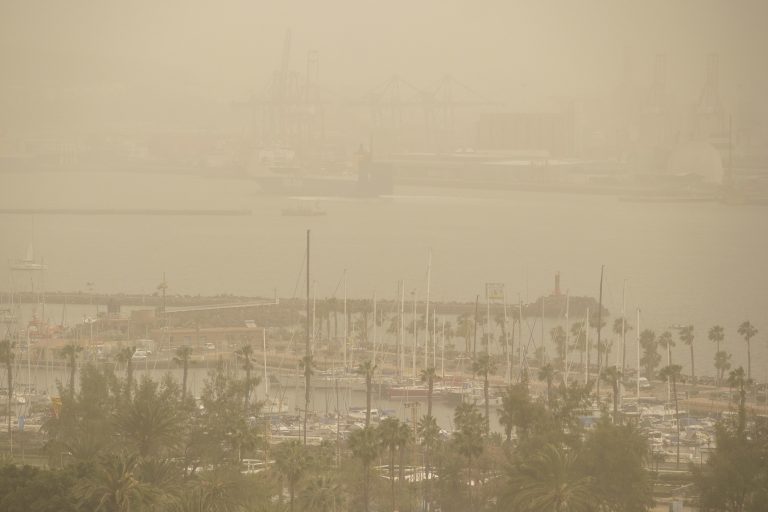
Calima is hot, dust-laden air from the Sahara: the sky turns yellow-orange and visibility drops. It is not linked to the trade wind, which tends to clear it. AEMET can issue a yellow warning for suspended dust, generally when visibility falls below 3,000 m. If you have respiratory sensitivities, limit outdoor effort. I cover it in detail in our guide to calima in Tenerife.
What to pack when it’s windy
A light windproof jacket is almost always enough, plus a warm layer if you go up to Teide. Keep a plan B for each day: a sheltered activity in the south, an indoor visit or a village in the north out of the wind. By car, gusts are felt mostly on ridge roads and viaducts: grip the wheel and slow down. The winter tips and the March guide complete these pointers.
Last check of this information: October 2026. Warnings change every day: always consult the official warnings on the day.
When is it windiest in Tenerife?
The trade wind is steadiest from May to October. Strong wind episodes can also occur in winter and spring, as in February and March 2026. To know what to expect on your travel day, check the AEMET warnings.
Where can you shelter from the wind in Tenerife?
In the south and south-west: Costa Adeje, Los Cristianos and Playa de las Américas are the most sheltered areas. The north and El Médano are more exposed.
Does the Teide cable car close when it’s windy?
Yes, it can close for adverse weather conditions. The operator does not publish a threshold in km/h, so check the status on the day and be ready to walk back down.
At what gusts does AEMET issue a warning in Tenerife?
According to the Meteoalerta plan (2022 version), the warning is yellow at 70 km/h of maximum gusts, orange at 90 km/h and red at 130 km/h, across Tenerife’s three zones.
Can you swim when it’s windy?
Not always: wind often comes with swell, especially in the north. Respect the flags, choose a sheltered beach in the south and avoid breakwaters during a wind or sea warning.